
Week 38 Muscle Building: Benefits of Free Weights vs Machines
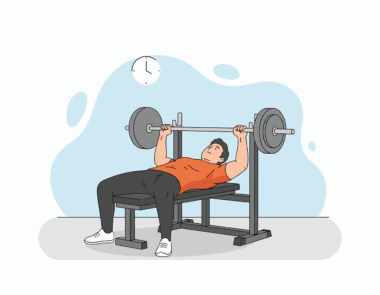
When it comes to muscle building, understanding the benefits of both free weights and machines is essential for anyone looking to maximize their workouts. Free weights, such as dumbbells and barbells, require more stabilization and coordination, engaging multiple muscle groups simultaneously. This can lead to better overall functional strength. Additionally, using free weights allows for a greater range of motion, which is crucial for muscle growth. This versatile equipment can be used for various exercises to target specific muscle groups effectively. On the other hand, machines offer guided movements, making it easier for beginners to learn the correct form and technique. They are also beneficial for isolating specific muscles, which can help in targeting weaknesses. Additionally, machines can reduce the risk of injury when compared to free weights, making them a great choice for those recovering from injuries. Each has its place in a comprehensive workout program, and understanding their advantages can help you create a balanced approach to your training.
For individuals new to strength training, machines can provide a solid foundation. Their designs often include clear instructions, helping users learn proper mechanics without the overwhelming complexity of free weights. Beginners can focus on developing fundamental strength before delving into the more intricate techniques that free weights demand. Another significant advantage is that machines typically allow for incremental weight adjustments with ease, facilitating a smooth progression in lifting capacity. However, as users advance, it is vital to incorporate free weights into their routines. This infusion enhances muscle engagement due to the instability that free weights present, leading to greater muscle fiber recruitment. Ultimately, familiarity and versatility with both machines and free weights open up a range of effective routines to achieve desired fitness goals. Regularity in changing up workout routines can also prevent plateaus in muscle growth. This helps maintain motivation and engagement. Furthermore, a good blend stimulates continuous adaptation and improvement, ensuring steady progress. Balancing free weights and machines can lead to optimal results and long-term success.
Considerations for Choosing Equipment
When deciding between free weights and machines, it is essential to consider personal fitness goals, prior experience, and any existing limitations or injuries. Those aiming for overall functional fitness and strength enhancement might lean towards free weights, as these promote better coordination and balance. Furthermore, using free weights can translate directly to improved performance in daily tasks and athletic activities, enhancing everyday life quality. Alternatively, machines can be more appropriate for individuals with joint or mobility issues, as they provide controlled movement, reducing strain. They also might be beneficial if someone prefers a safer option when working out alone. Each option’s benefits vary greatly depending on individual needs. Another aspect to consider is the convenience and accessibility of equipment. For instance, gym-goers may have access to a wider variety of machines, while free weights are often easier to use at home due to their compactness. Ultimately, understanding your unique fitness journey and wisely selecting equipment is vital for building muscle effectively, ensuring a productive workout experience tailored to your preferences.
Progressive overload is another crucial concept that plays a significant role in muscle building. Regardless of the equipment in use, progressively increasing weight, reps, or intensity is essential for muscle growth. Both free weights and machines can be incorporated strategically to help achieve this. For instance, you might start with machines to build a solid foundation, gradually replacing some of those sessions with free weight exercises as your strength and confidence grow. This best practice encourages adaptation and encourages muscle formation through increased demands placed on the body. Evaluating progress frequently is vital to ensure continual progression. Feedback from training sessions can be critically analyzed to refine workout plans, optimizing gains. Furthermore, tracking workouts can help maintain motivation, bolstering commitment to fitness goals. This structured approach allows for informed adjustments, maximizing efficiency and effectiveness. Implementing these strategies can lead to significant results over time. By blending machine and free weight training within a comprehensive program designed specifically for muscle building, you can discover the most effective means for achieving your fitness aspirations while also enhancing overall body functionality.
The Role of Nutrition in Muscle Building
Alongside exercise, proper nutrition plays a vital role in muscle building efforts. Consuming the right macronutrients can significantly enhance recovery and growth after workouts. Protein, in particular, is fundamental for muscle repair and growth. Adequate protein intake supports the development of lean muscle mass and helps prevent muscle breakdown, which is crucial for anyone engaged in a rigorous training routine. Recommended sources include lean meats, dairy products, legumes, and protein supplements. Furthermore, adequate carbohydrates are essential for fueling workouts, providing the energy needed for performance. Healthy fats contribute to hormone regulation, further assisting in recovery and overall health. Customized meal planning can help ensure that each nutrient requirement is met appropriately for individual goals. Hydration also plays a considerable role in performing at peak levels. Sufficient water intake helps maintain optimal muscle function and reduces the likelihood of fatigue or muscle cramps. Ultimately, combining sound nutritional strategies with effective training techniques utilizing both free weights and machines will bring about substantial results in muscle building and overall fitness.
In conclusion, both free weights and machines possess unique benefits that can aid in achieving muscle-building goals. Beginners should consider starting with machines to develop confidence in their abilities, understanding correct form and technique before progressing to more challenging free weight exercises. As strength and skills increase, incorporating free weights will maximize functional fitness by engaging multiple muscle groups and enhancing stability. For those recovering from injuries or individuals with specific limitations, machines provide a safer environment for building strength, minimizing risks. Striking a balance between the two approaches, while ensuring to heed body signals during training, allows for continuous progress without injury, which is paramount for long-term success. Additionally, varying exercises ensures motivation remains high while simultaneously providing distinct stimuli for muscle growth. Nutrition and hydration cannot be overlooked; they are key components that complement any workout regime aimed at building muscle. Integrating each aspect holistically creates an effective workout plan. Ultimately, staying committed to fitness through a balanced approach will yield significant results in muscle development, promoting overall health and wellness over time.
Final Thoughts on Workout Programs
Finally, it is essential to remember that every individual has unique preferences and needs regarding workout routines. Tailoring a program that uniquely fits your lifestyle and goals will foster sustainability and adherence. Consequently, whether you prefer free weights, machines, or a combination of both, the only option that matters is what you enjoy and can maintain. Seeking guidance from fitness professionals can assist in crafting a personalized approach, enhancing effectiveness, and ensuring the correct methods are utilized. Remember that consistency, patience, and dedication in your training will compound results over time. Engaging with communities and groups can motivate individuals along their journey, providing additional support and encouragement. Continuous learning about techniques, nutrition, and recovery can empower individuals to make informed choices in all aspects of fitness. In the end, the journey towards muscle building is as significant as the destination. Embrace the experience, appreciate the process, and allow for self-discovery along the way.
Tracking progress is essential for anyone embarking on a muscle-building journey. Without monitoring achievements, it becomes challenging to determine if the strategies employed are effective. Various tools, such as workout logs or apps, simplify documenting weight lifted, repetitions performed, and overall fitness improvements. Reviewing this information regularly offers insights into momentum and areas needing adjustment, ensuring the journey remains productive. Ultimately, the combination of free weights, machines, and personalized nutrition leads to enhanced adaptability. Allowing for changes in routines helps prevent stagnation and keeps motivation levels high. Additionally, seeking professional assistance through coaching can provide invaluable feedback and accountability. This may further enhance your progress, as understanding the optimal implementation of techniques can mean the difference between success and frustration. Moreover, fostering healthy lifestyle habits outside the gym—like adequate sleep and stress management—creates a fertile ground for recovery, leading to better results over time. Remember, engaging with both types of equipment in your training doesn’t eliminate the importance of overall health. Focusing on a well-rounded approach can ensure longevity in fitness pursuits.