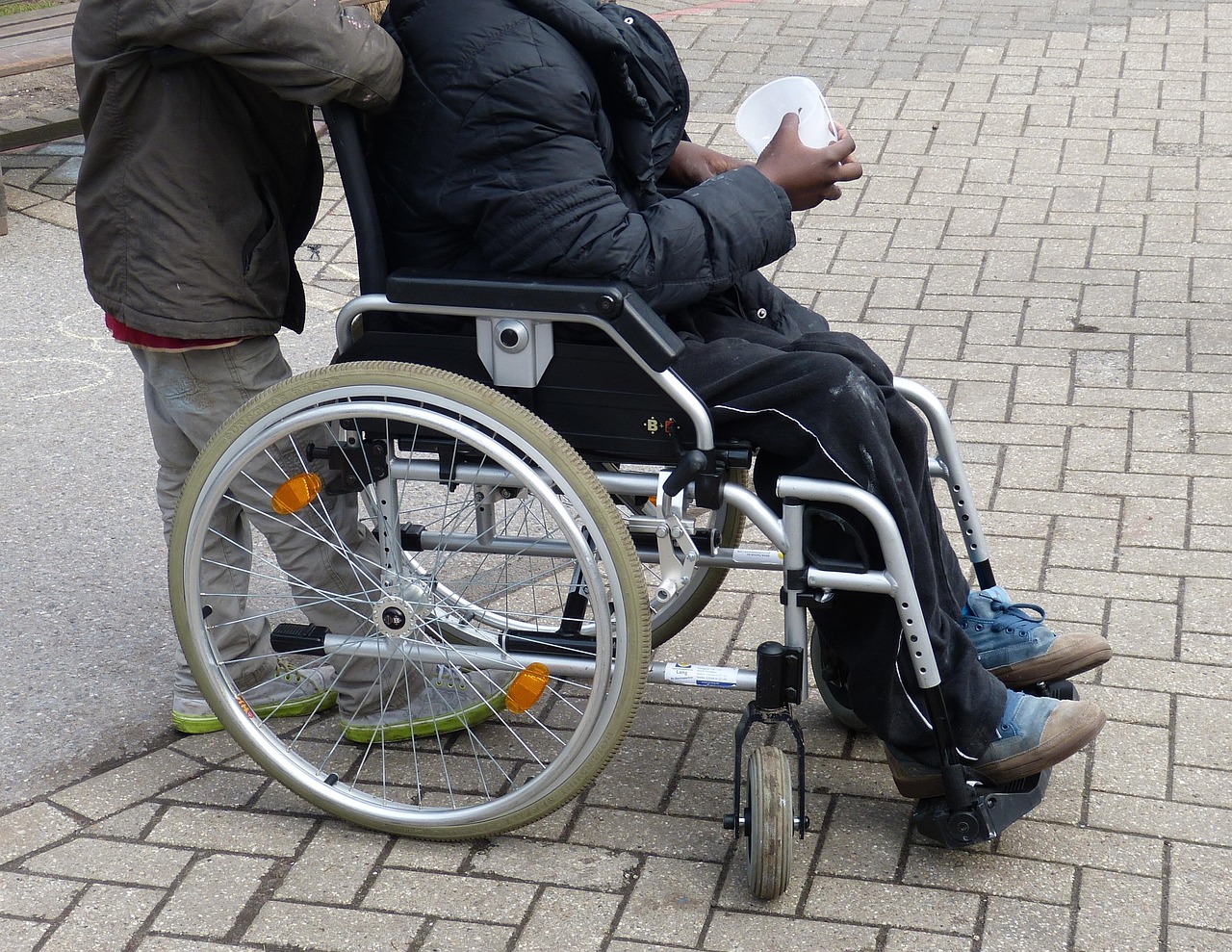

Biomechanical Basis for Designing Rehabilitation Equipment
The interface between biomechanics and rehabilitation is essential for creating effective rehabilitation devices. Understanding the forces, moments, and movements that occur during physical activities is crucial. Rehabilitation biomechanics focuses on how these biological systems function and how they can be improved after injury or surgery. By leveraging mechanical principles, designers can create devices that replicate or assist specific movements. For example, analyzing gait patterns provides insights into how a person walks, helping in designing orthoses that can support their needs. It is crucial to assess the patient’s individual biomechanics, as rehabilitation must be tailored to their unique conditions. Devices must account for variability in body size, shape, and physical capabilities. Mathematical models predict how different patients will respond to various devices, ensuring optimal functionality. The equipment should also promote natural movements to aid recovery rather than impose artificial patterns. Moreover, advancements in materials and technologies continue to transform the rehabilitation landscape. Creating lightweight, durable, and flexible devices means patients will be more likely to engage with rehabilitation activities, thus improving outcomes. Overall, an in-depth understanding of biomechanics is vital for innovative rehabilitation equipment design.
Creating effective rehabilitation equipment begins with a deep understanding of human anatomy and physiology. Each patient’s unique pathologies necessitate specific attention to how joints and muscles interact during recovery. In rehabilitation biomechanics, the role of load application is paramount; managing loads helps to regain strength while preventing injury. Devices such as braces, splints, or exoskeletons must be designed to apply appropriate stress during movement. Utilizing tools such as force plates and motion capture systems allows clinicians to analyze the biomechanical aspects while individuals perform various tasks. Through this analysis, designers gather data crucial for improving rehabilitation products. Ergonomics also play a pivotal role when designing rehabilitation devices; comfort and usability must not be overlooked, as these factors directly influence compliance with rehabilitation programs. It is essential to address psychological aspects as well; patients are more likely to engage with devices that accommodate their mental and motivational needs. Employing user-centered design principles ensures that equipment meets these various requirements. Ultimately, a comprehensive approach will ensure rehabilitation devices facilitate patient recovery while encouraging therapeutic engagement throughout the healing process.
Integration of Technology in Rehabilitation Biomechanics
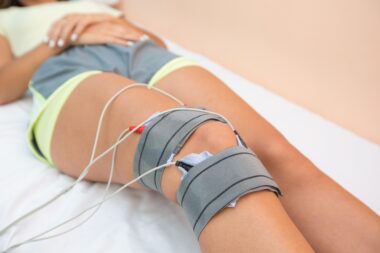
Recent developments in technology are revolutionizing rehabilitation biomechanics by enabling the creation of more effective devices and methodologies. Wearable technologies, including smart sensors, are providing invaluable data on patient movement, enabling more precise adjustments to rehabilitation protocols. The integration of robotics into rehabilitation devices enhances the effectiveness of therapy, allowing for repetitive practice of tasks that would otherwise be too challenging for patients. These robotic systems can adapt to the physical capabilities of the user, ensuring a custom approach to rehabilitation. Virtual reality (VR) is another emerging technology that offers immersive experiences to patients, promoting engagement and motivation. Through VR environments, patients can simulate various activities safely. Incorporating telehealth and remote monitoring systems allows therapists to provide ongoing support without extensive in-person appointments, making rehabilitation more accessible. This technology aids in adjusting rehabilitation plans in real-time, based on data collected through various devices. Mobile apps and devices can guide patients through their exercises, enhancing adherence to prescribed routines. Ultimately, technology serves as a vital component in designing rehabilitation equipment that is effective, efficient, and patient-focused.
Incorporating feedback mechanisms can significantly enhance the effectiveness of rehabilitation devices. Patients respond better when they understand how well they are progressing, making feedback crucial in maintaining motivation and engagement. Real-time performance feedback through timers or feedback displays encourages individuals to push their physical limits and achieve rehabilitation goals. Smart devices that analyze performance can suggest modifications to exercise regimens based on the user’s progress, providing personalized rehabilitation experiences. This dynamic interaction helps in creating a responsive rehabilitation approach. Additionally, devices must facilitate communication between patients and healthcare providers, ensuring that progress is monitored effectively. Regular adjustments and consultations maximize recovery time and ensure that techniques are being utilized correctly. Digital platforms that allow for user tracking enhance the relationship between patients and therapists. Effective communication can also foster a sense of community, which is important in rehabilitation. Peer support can motivate individuals to adhere to their programs. Overall, integrating feedback loops within rehabilitation equipment design can lead to improved outcomes and higher levels of patient satisfaction throughout recovery.
Future Directions in Rehabilitation Biomechanics
The future of rehabilitation biomechanics promises exciting advancements fueled by innovations in multiple fields. Smart materials that can adapt properties based on external conditions hold significant potential for enhancing rehabilitation devices. Enhanced biomechanics-driven models can help in predicting patient-specific responses even further. Collaborative approaches that involve engineers, clinicians, and patients will assure that designs not only meet biomechanical standards but also cater to human factors. Fostering interdisciplinary research can help bridge gaps in knowledge and technology transfer, accelerating the development of next-generation rehabilitation solutions. Moreover, growing awareness about the importance of preventive care will lead to the design of devices that promote long-term wellness rather than just recovery. Equally important is adopting a proactive mindset towards interventions, shifting focus from merely fixing a problem post-injury to enabling individuals to perform at their best. Emphasizing education and training for healthcare providers can enhance the delivery of tailored rehabilitation solutions. Integrating rehabilitation into various public health platforms, especially through preventive measures and early interventions, will cultivate a healthier society overall. The future of rehabilitation biomechanics lies in customized solutions that address individual needs and preventive healthcare.
Collaboration among academia, industry, and clinical practice will be critical in developing cutting-edge rehabilitation technologies. Research funding and resources must be directed to projects that explore innovative designs, materials, and methods. Studies evaluating the long-term efficacy of various devices will reinforce the importance of evidence-based practice in developing new tools. Additionally, ongoing education and training for healthcare professionals will foster an adaptive workforce that fully understands and utilizes technological advancements in practice. Workshops and interdisciplinary symposiums can encourage the exchange of ideas and methodologies between those in rehabilitation and engineering. These gatherings can spark creativity and new approaches to designing effective rehabilitation equipment. Furthermore, user input can be invaluable; involving patients in the developmental process will generate insights that often go overlooked. The feedback from actual users can guide future designs toward enhancements that meet real-world needs effectively. Ultimately, the collective effort will provide significant benefits to the field of rehabilitation. Emphasizing a collaborative model in both research and practice is essential for addressing future challenges in rehabilitation biomechanics.
Conclusion: The Impact of Biomechanics in Rehabilitation
The influence of biomechanics in rehabilitation is profound, as it shapes the design and functionality of therapeutic devices. By understanding the mechanics of human movement and the physiological implications of injury, practitioners and designers can create innovative solutions. Individualized treatment approaches founded on biomechanical principles lead to more effective rehabilitation outcomes. These customized interventions not only enhance functional recovery but also improve overall quality of life for patients. The connection between biomechanics, technology, and rehabilitation continues to evolve, with future advancements promising even greater precision and personalization. The potential of integrating advanced materials, real-time feedback mechanisms, and interdisciplinary collaboration will redefine rehabilitation practices. Thus, improving mobility, restoring independence, and enhancing experiences during recovery will be increasingly achievable. Furthermore, as rehabilitation biomechanics becomes more prominent, public awareness of preventative measures will grow, leading to healthier populations. The journey of rehabilitation will turn towards optimizing human performance, reinforcing the idea that biomechanical understanding is essential in overcoming challenges faced during recovery. Ultimately, the evolving relationship between biomechanics and rehabilitation fills an essential role in ensuring effective care and remarkable recovery experiences.
In conclusion, biomechanics has revolutionized rehabilitation practices, emphasizing the need for devices that align with individual movements and capabilities. The insights gained will continue to shape better therapeutic equipment, maximizing recovery potential while fostering a supportive environment tailored to patient needs. The future of rehabilitation biomechanics is not just about devices but also about forming a holistic approach that sees patients as partners in their journey to recovery through technology, education, and community involvement.