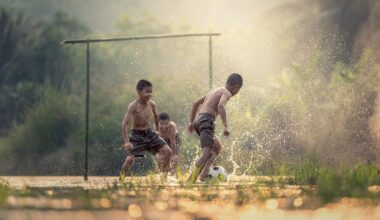

Bodyweight Workouts Perfect for Kids at Home
Bodyweight workouts offer an excellent opportunity for kids to engage in physical activities right at home. These exercises are not only fun but also help in building strength, flexibility, and coordination. Additionally, bodyweight workouts do not require any special equipment, making them accessible for everyone. Parents can contribute to these activities by joining their children, creating a bonding experience. Some ideal exercises to incorporate include jumping jacks, bodyweight squats, and push-ups. Engaging in these workouts can lead to improved health and confidence for kids. When structured correctly, workouts can provide a full-body balance that caters to children’s energetic nature. Outside play also provides space for creativity and encourages kids to be active outside traditional settings. Parents might consider scheduling these workouts daily or a few times weekly, ensuring children remain active in a structured manner. Moreover, involving children in the planning of these workouts can cultivate a sense of responsibility and ownership in their health. Encouraging them to pick their favorite activities can boost enthusiasm and motivate them to continue these good practices.
Before diving into specific exercises, it’s important to warm up effectively to prevent injuries. A good warm-up can include dynamic stretching or light cardio that elevates the heart rate gradually. This can involve activities such as jogging in place, arm circles, or hip swings. After the warm-up, it’s easier for kids to perform bodyweight workouts efficiently and safely. An exciting option is to create a circuit workout, where they can move from one exercise to another seamlessly. For example, alternating between squats, lunges, and burpees can keep them engaged. Bodyweight exercises help improve their flexibility while toning their muscles. Additionally, children should be encouraged to listen to their bodies, taking breaks when necessary. Providing them with an engaging environment can also contribute to maintaining their interest in workouts. Including playful elements, like challenging them to a friendly race or timing their exercises, can enhance motivation. After workouts, cooling down is essential. This might consist of stretching or deep breathing, promoting relaxation. This entire process helps teach kids about physical fitness responsibility and the importance of caring for their bodies in a fun way.
Types of Bodyweight Exercises
Bodyweight exercises vary in difficulty, making them suitable for kids of all ages. Examples include wall sits, plank holds, and high-knees that keep the workout dynamic. Changing up the selected exercises frequently can maintain excitement and stave off boredom. Kids can practice their bodyweight exercises easily in small spaces indoors or outdoors, ensuring they can remain active regardless of their environment. Another fun option is to incorporate dance moves into the workout routine. This not only provides physical activity but also allows kids to express themselves musically through movement. Activities like dancing or even simple tuneful stretches can help develop a love for movement. Furthermore, parents can engage their kids by connecting movements to stories. For instance, pretend to be animals performing animal movements (like crawling like a bear) allows children to visualize and relate to the exercises. This imaginative component is invaluable in keeping them engaged and enthusiastic about the workouts. Introducing structured challenges, like seeing who can hold a plank the longest, can further encourage friendly competition, helping kids stay motivated in their exercises.
When working out, it’s vital to ensure that kids maintain proper form. Teaching them about posture and alignment can help prevent injuries and maximize effectiveness. Start with simple movements where they can easily grasp technique, such as bodyweight squats. This exercise particularly strengthens their legs and helps enhance lower body coordination. Additionally, consider balancing exercises, which could incorporate standing on one leg while maintaining stability. Progressing to variations will keep them challenged and engaged. Exploring yoga offers fun ways for kids to stretch and improve flexibility. After learning basics, they might enjoy holding poses inspired by nature, like tree poses or downward dogs. Kids may find themselves more relaxed and balanced after performing yoga routines. Encouraging creativity while introducing new exercises keeps things lively. Designing a fun workout calendar can provide a visual aspect for children to stay focused and excited. This type of range of motion also enhances body awareness in kids, ensuring they understand their limits and capabilities. Involving variety makes workouts enjoyable, enhancing their commitment towards maintaining active lifestyles.
Nutrition and Hydration
In addition to physical activity, nutrition and hydration play crucial roles in maintaining kids’ overall health. Impress upon them the importance of eating balanced meals that include fruits, vegetables, proteins, and whole grains. Parents can involve kids in meal preparation, making it a fun activity, while educating them about food. Preparing healthy snacks after workouts can enhance recovery and muscle development. This could include smoothies made from fruits and yogurt or veggie sticks paired with a healthy dip. Furthermore, hydration is extremely important when engaging in workouts. Kids need to drink plenty of water before, during, and after physical activity. Ensuring they stay well-hydrated prevents fatigue and enhances performance. To encourage this, make water easily accessible, perhaps adding fun reusable bottles. Educating them on the effects of different foods can also ignite their interest in healthy eating. Consider sharing fun facts about foods that boost energy or hydration benefits. By intertwining healthy habits with physical activities, kids learn to make better choices that promote a healthy lifestyle. Forming these habits early ensures they grow into well-rounded individuals with a strong foundation in health.
The social aspect of working out cannot be overstated; it adds a layer of enjoyment. Encourage kids to involve friends or siblings, making workouts a group activity. This promotes teamwork and can lead to friendly competitions or challenges. Together, they can create fun routines or put on mini exercise performances for family gatherings, enhancing their creativity. Hosting a short exercise session with peers can help build camaraderie while keeping workouts enjoyable. Consider setting up fun outdoor activities that involve exercise, like scavenger hunts involving physical challenges or playing tag. Activities like these can improve fitness levels without the kids recognizing it as a workout. Parents should also be role models by participating in physical activities with their children. Having adults join children can motivate them to stay active. Encouraging kids to share their experiences can lead to self-reflection, allowing them to appreciate their physical efforts. This promotes a positive attitude towards exercise and its benefits. Continuous encouragement and positivity from adults can reinforce kids’ commitment to maintaining active lifestyles, fostering a healthy and enjoyable relationship with fitness.
Setting Goals and Achieving Success
As children begin to incorporate bodyweight workouts into their routine, setting achievable fitness goals is essential. Goals may be short-term, like mastering a particular exercise or completing a workout challenge. Creating a visual chart to track their progress provides motivation and cultivates responsibility towards their fitness journey. Goal setting teaches the importance of determination and commitment in any endeavor, helping kids develop perseverance. Recognizing milestones also boosts self-esteem and boosts confidence. Frequent success encourages them to continue striving for their objectives. After achieving a fitness goal, consider celebrating with positive reinforcement, whether through verbal praise or a simple fun outing. This approach helps children related positive outcomes to hard work. Additionally, incorporating fitness classes into their routine, such as dance or martial arts, combines fun with structured guidance, fostering skills and confidence. Helping them set and achieve both physical and personal goals creates a sense of accomplishment. Moreover, instilling the habit of self-reflection allows them to understand areas of improvement while reinforcing their strengths. All of these elements help children establish a healthy, active lifestyle and find joy within the scope of fitness.
As children cultivate bodyweight workouts into regular habits, their understanding of health and fitness will expand exponentially. Developing routines at home creates lasting memories that instill discipline while promoting physical enjoyment. It opens pathways toward lifelong healthy habits while making fitness engaging and fun. Keeping open communication is crucial to understanding their feelings toward workouts. Being attentive to their feedback allows for adjustments to routines to ensure they remain engaged. Over time, children will develop a sense of ownership over their fitness journey. This reinforces their commitment to fitness and promotes open conversations about health. Parents can further combine home workouts with playful challenges. Activities like obstacle courses created in the backyard can keep them excited while providing ample exercise. Seeking inspiration online can also help parents discover new activities to keep things fresh and exciting. Moreover, share success stories to instill a sense of community and camaraderie for kids. Kids should be encouraged to help create their workout routines, allowing them to appreciate their uniqueness and individualize fitness experiences. Ultimately, bodyweight workouts present a sustainable solution for enhancing physical activity at home while promoting overall lifelong healthy practices.