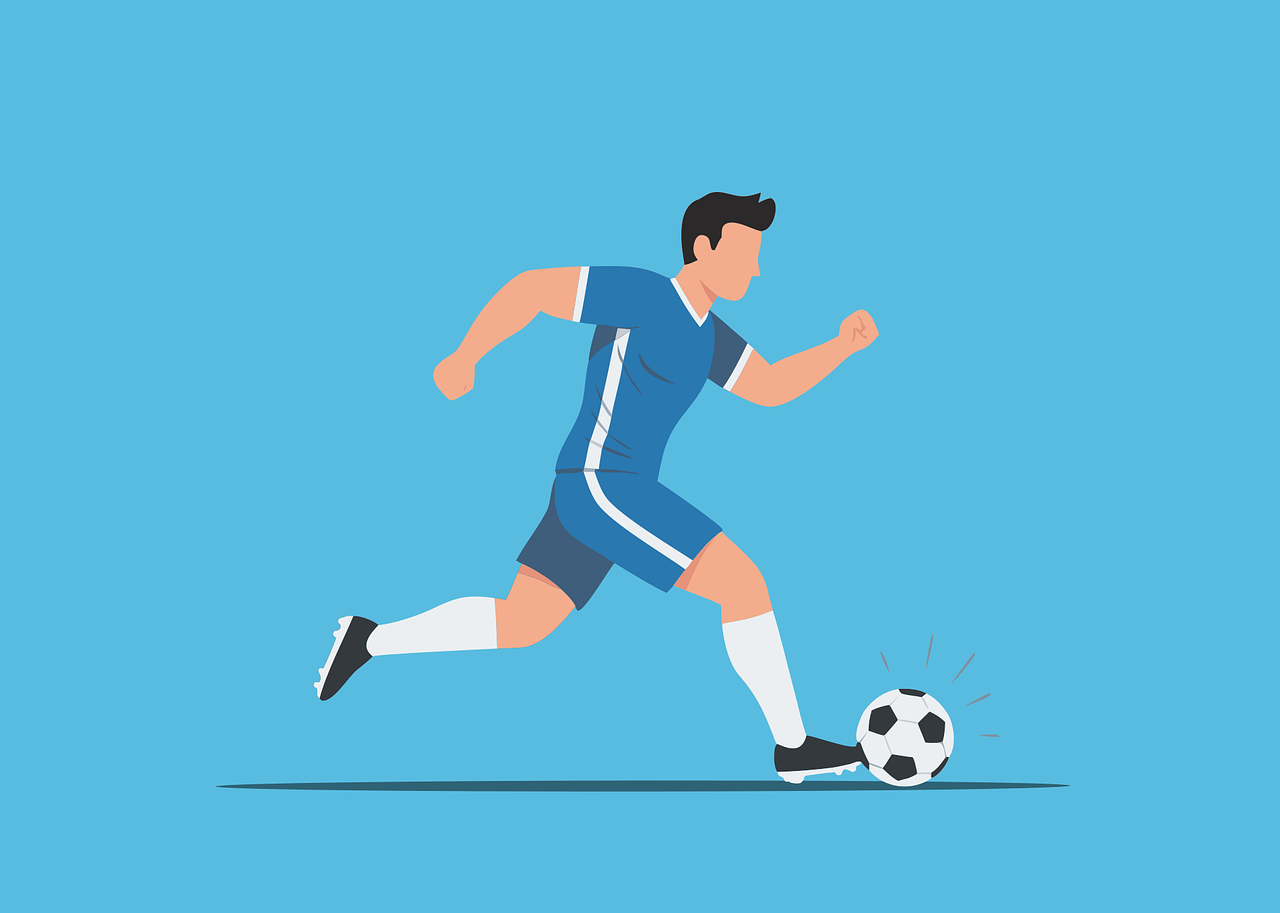

Cross-Training: Combining Neuromuscular and Cardio for Football Success
Football is a highly dynamic sport that requires players to elevate their performance across various attributes. Neuromuscular training focuses on enhancing the communication between nerves and muscles, resulting in improved strength, power, and agility on the pitch. When combined with cardiovascular conditioning, players can achieve a myriad of benefits that enhance overall performance. Effective cross-training incorporates both neuromuscular and cardio aspects, ensuring that players develop a robust base of endurance without sacrificing their explosive movements. Training regimens should include exercises like plyometrics, high-intensity interval training, and agility drills, balanced carefully with aerobic conditioning activities like running and cycling. Such comprehensive training boosts anaerobic capacity while promoting muscular endurance, creating players who are not only peak athletes but also resilient and versatile. Additionally, integrating diverse training modules allows for injury prevention and longer career sustainability. The essence of cross-training lies in its holistic approach, targeting different physical attributes simultaneously, allowing football players to thrive in their sport. Understanding the interaction between strength and endurance, especially through neuromuscular strategies, leads to improved game intelligence and performance consistency.
The Importance of Neuromuscular Training
Neuromuscular training plays a pivotal role in the preparation of football players, affecting how well they execute skills and tactics during games. This training enhances motor skills, coordination, and integrative strength, making athletes more effective on the field. By developing neuromuscular connections, players become more adept at rapid changes in direction, control over their bodies, and maintaining balance under varying conditions. As such, it contributes to minimizing the risk of injuries, particularly those related to sudden stops or changes in movement. A well-structured neuromuscular program includes elements such as resistance training and rapid whole-body movements. Incorporating agility drills, such as ladder and cone drills, further aids in developing quick reflexes required for success in football. Neuromuscular training should also be periodized to ensure that players peak during competitive seasons while avoiding burnout. Coaches should encourage rest and recovery while ensuring that training adapts to the players’ evolving skills. Moreover, understanding muscle activation and motor learning techniques can create a foundation for peak performance. Through focused neuromuscular development, footballers can cultivate their innate skills, leading to more effective gameplay.
Cardiovascular conditioning is just as essential for football players, providing endurance for sustained performance throughout games. Regular cardiovascular workouts increase a player’s aerobic capacity, enabling them to maintain high levels of energy and speed across extended match durations. Integrating running, cycling, and circuit training enhances heart and lung efficiency, key components for any athlete. Often, these activities are incorporated in a sequential manner to build a well-rounded base for endurance training. Additionally, maintaining an adequate level of aerobic fitness can lead to faster recovery times during and after matches, crucial for peak performance in subsequent games. Another benefit of cardio training for footballers includes improved metabolism and better ability to manage body weight, contributing to overall athlete health. Coaches are encouraged to design drills that combine both neuromuscular and cardio components, such as shuttle runs or pyramid sprints, to help athletes transition smoothly from one energy system to another during gameplay. Balancing resistance and aerobic workouts amplifies training effects while minimizing fatigue. This comprehensive approach is fundamental to achieving sustained soccer success and fostering not only individual development but also a cohesive team performance.
Combining Strength and Endurance
To excel in football, players benefit immensely from balancing strength training with endurance exercises. Through this balance, they can achieve optimal performance on the pitch while maximizing their physical capabilities. Football players engage in many high-intensity activities that demand strength, power, and quick bursts of speed. Therefore, embracing cross-training methodologies ensures players adapt well to various match scenarios. Working on strength routines enhances muscle mass, which subsequently aids explosive movements during critical game moments. Moreover, players can incorporate resistance activities like squats, lunges, and plyometrics into their weekly training schedules. Endurance workouts, such as longer runs or cycling sessions, complement these strength-building exercises. These practices ensure all essential muscle groups are supported adequately, allowing for fatigue management during matches. Challenges arise when measuring the correct intensity and duration of both training modalities; however, skilled coaches can effectively tailor these sessions according to player needs. Applying periodization principles facilitates gradual progression, avoiding excessive fatigue or plateauing. As a result, athletes not only see performance gains but also enhance their enjoyment of the sport through improved skills.
Incorporating sport-specific drills that rely on both neuromuscular training and cardiovascular conditioning can greatly propel a football player’s performance. Developing tailored workouts that mimic real-game situations sharpens decision-making processes while enhancing fitness levels. These drills encourage players to react instinctively while also remaining physically conditioned when facing competitors on the field. For example, small-sided games allow players to engage in intense bursts of activity combined with strategic play, ensuring they experience game-like conditions. Likewise, engaging in varied tactical scenarios enriches an athlete’s arsenal, allowing adaptability. Coaches should prioritize integrating techniques that boost not only aerobic output but also neuromuscular efficiency. Effective drills may include interval training involving sprints combined with dribbling or tactical breaks. Utilizing technology, such as heart rate monitors or GPS trackers, can assist in tracking progress, particularly concerning fitness levels. This analytical approach aids in refining training regimens tailored to players’ individual needs. Ultimately, by positioning neuromuscular and cardio training at the forefront of practice, players will foster advanced game intelligence while increasing overall athletic prowess, establishing a solid foundation for competitive success.
Benefits of Cross-Training for Football
Cross-training is a holistic approach that not only amplifies athletic performance but also promotes comprehensive player health. Football players who participate in cross-training routines often experience fewer injuries due to a balanced development of their muscle groups. By diversifying their workout regimes, athletes can target performance peaks while simultaneously addressing weaknesses. Such practices help stave off the monotonous nature of regular training, keeping athletes engaged in their workouts. Furthermore, cross-training builds muscle adaptability, vital for enduring the rigors of competitions and training sessions. Beyond physical benefits, these comprehensive training approaches contribute positively to mental resilience as well. Players develop a sense of accomplishment as they achieve goals across different training domains. Concentrating on a single training mode can create imbalances, while cross-training leads to well-rounded athletes. Athletes who adopt cross-training also enhance recovery times as their bodies become accustomed to varying types of exertion. As players gain insights into their physiological strengths, they can adjust focus when needed, ensuring that their training serves them better. Thus, cross-training stands as an essential strategy for football players aiming for longevity and success in their careers.
Ultimately, successful integration of cross-training methods requires purpose-driven planning, consistency, and personalization. Coaches and players must communicate openly to establish personalized goals that align with individual needs. Training programs should mimic the physiological demands of football while allowing for sufficient recovery time to minimize burnout. An intentional selection of activities emphasizes specific fitness component weaker areas based on performance assessments. For instance, employing varying exercises while still maintaining an overall focus on enhancing football-specific skills. Equally critical is the reflection on periods of high intensity versus low intensity, allowing players to ascertain when adjustments are necessary. Moreover, fostering a positive training environment engages players and augments their commitment to personal growth. Understanding the interplay between neuromuscular and cardio conditioning can empower football players, elevating their game. As athletes embrace this structural evolution, they witness remarkable differences on and off the field. With the right combination of commitment, strategy, and informed training, football success becomes attainable. By understanding and applying these concepts, players can significantly enhance their performance, resilience, and enjoyment of the sport.
Conclusion: A Path to Football Excellence
In conclusion, the combination of neuromuscular and cardiovascular conditioning through cross-training is essential for football success. Players who prioritize these approaches position themselves ahead of competitors in both physical capabilities and tactical understanding. As teams invest in comprehensive training strategies that emphasize the whole body, they cultivate players who endure the demands of modern football. Coaches play a vital role in monitoring progress, making necessary adjustments and fostering an environment that encourages athlete involvement. As fitness and wellness merge seamlessly into training programs, the overall development of players flourishes. Moreover, as athletes become more aware of their bodies and responses to training, they develop greater mental fortitude for competition. Cross-training serves as an invaluable asset for aspiring footballers aiming to go beyond traditional training paradigms. Following this model enables them to build a resilient foundation, ensuring lifelong participation in football. Furthermore, the positive influence extends beyond athletic performance, promoting a balanced lifestyle overall. Engaging in these integrated training methods not only enhances competition results but also enriches the experience of playing football, leading to enjoyment and long-lasting relationships with the sport.