
Customized Swim Workouts for Different Triathlon Distances
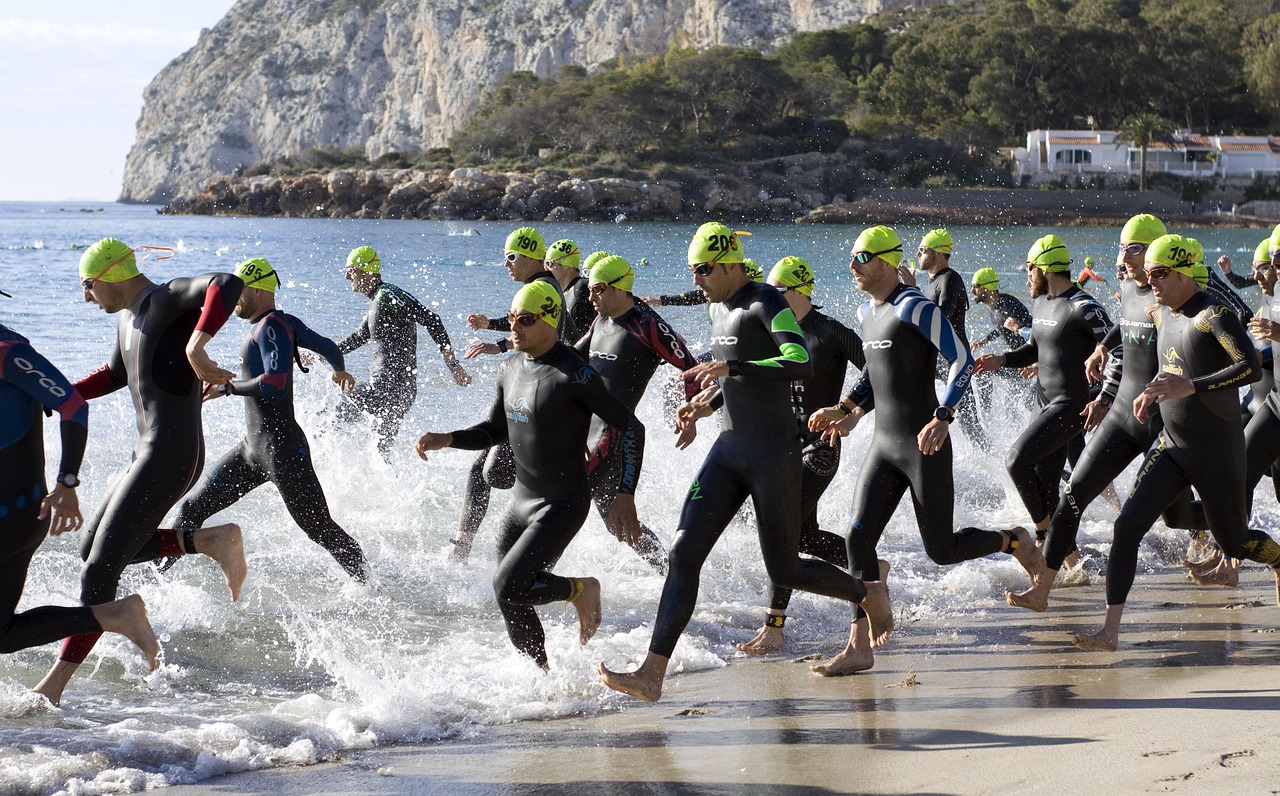
Triathletes often face different challenges based on the distance they are racing. In order to prepare effectively, it is crucial to customize swim workouts according to specific triathlon distances. A sprint triathlon typically consists of a 750-meter swim, and training for this event requires a focus on speed and efficiency. Training sessions should include short intervals with minimal rest, allowing athletes to practice sprinting dynamics within the water. Incorporating drills that emphasize stroke rate and breathing techniques is vital for mastering the short, intense distance. Additionally, continuous efforts of 400 meters at race pace should be mixed in to simulate race conditions. The key is to build endurance while maintaining speed throughout the effort, ensuring that the athlete feels strong during the swim. Potentially beneficial drills include “fast-finish swims” where the last part of the workout is performed at all-out speed. By utilizing customized sets and focusing on both pace and form, athletes can significantly enhance their performance and prepare effectively for sprint triathlons, optimizing their swim leg to enter transition feeling fresh.
Moving on to the Olympic distance triathlon, which consists of a 1.5-kilometer swim, swimmers must adapt their training to increase their endurance. This event demands a balance of speed and stamina, which often leads to longer continuous swims during training. Workouts should incorporate sets totaling anywhere from 1,500 to 3,000 meters, focusing on sustained pace. Longer intervals, such as 300 to 800 meters, can help triathletes develop the necessary aerobic capacity while incorporating specific race-day techniques. Additionally, practicing sighting and turns will better prepare them for open-water conditions frequently encountered during events. Swimmers can include drills that reinforce efficient stroke mechanics, such as high elbows and body rotation, which can help in maintaining speed over longer distances. To enhance speed endurance, interval training at increasing paces should also be utilized, pushing the athlete’s limits. It’s beneficial for triathletes to incorporate warm-up drills followed by main sets that challenge their effort. A structured approach with a diverse mix of speed and endurance work will yield improvements, ensuring athletes can transition smoothly from water to bike.
Preparing for Half Ironman Distance Swim
For the Half Ironman, with a 1.9-kilometer swim, triathletes must build considerable strength to endure the longer swim. This requires a more rigorous training routine that emphasizes both endurance and effective pacing. Continuous swims at increasing distances can improve overall confidence and performance in open water, while drills aimed at refining stroke efficiency will be crucial. Athletes should focus on sets that involve longer swims, gradually increasing to 1,500 meters during practice sessions. Incorporating sighting drills into the workout allows athletes to adjust to movements in open water, minimizing the adjustment required during races. Moreover, focus on interval training with varied paces is important for stamina. A mix of shorter, faster intervals followed by longer, slower swims helps athletes prepare for race day. Specific sets may include 4×500 meters at race pace, allowing the athlete to experience fatigue while striving to maintain form. This method of training facilitates adaptations to how the body responds over long distances in the water, enhancing the overall ability to perform during the major event.
Moving to the full Ironman distance swim, usually a daunting 3.8 kilometers, the training approach must be comprehensive and strategic. Swimmers should aim to create a strong aerobic base through longer swims that can encompass nearly all swim sessions. Practicing long, slow swims on weekends helps to condition the body for the extensive distance while ensuring no training session goes to waste. Furthermore, integrating both strength and functional exercises will create balance within the necessary muscle groups to support swimming dynamics. Key workouts should target both form and efficiency, making adjustments while swimming longer intervals. It’s important to also incorporate open-water swims to mimic race conditions, as many athletes find this aspect challenging. Using buoy sets to improve core stability while working on breathing rhythm can significantly benefit endurance. A structured training plan should include progressive swims that naturally lead to fatigue while focusing on maintaining correct technique. Igniting the body’s adaptive responses within the water ensures athletes build the strength and confidence necessary to conquer the full swim course of an Ironman with ease.
Common Swim Drills for Triathlon Training
Several swim drills can help enhance efficiency and technique for triathletes of all distances. Firstly, the “Catch-Up Drill” emphasizes proper arm extension during swimming, encouraging each stroke to be as effective as possible. By gliding when one arm is extended, swimmers develop better body position and improved arm mechanics. Another valuable drill is the “Single Arm Swimming” which engages each arm independently, allowing for a more focused approach on stroke timing and body rotation with hip movement. Breath control becomes essential during these drills, helping swimmers adapt to varying race conditions. The “4-3-2 Drill” encourages swimmers to switch between strokes, switching to fewer strokes as fatigue sets in allows for adaptation to greater stress during races. Utilizing these drills regularly during training facilitates progress and helps solidify good habits. Consistency with technique-focused drills allows triathletes to elevate their performance by refining needed skills. In addition to these techniques, recording swims on video can provide feedback, demonstrating areas for improvement and ensuring continual, effective growth as an athlete.
Nutrition and Hydration: as essential elements for swim training, must not be overlooked. What athletes consume directly impacts performance in the water. A balanced diet rich in carbohydrates, protein, and healthy fats provides the necessary energy for demanding training sessions, helping to fuel muscles effectively. Breakfast before morning swims, including oatmeal or a banana, offers quick energy for early training. Post-practice nutrition, like a mixture of protein and carbohydrates, can aid recovery and muscle repair. Staying hydrated is equally significant; ensuring adequate fluid intake before, during, and after swim workouts helps maintain optimal performance levels. Electrolyte drinks may also be beneficial, especially during longer training sessions in hotter climates. Triathletes should adopt a hydration strategy that ensures their body is running at peak performance; dehydration can lead to decreased stamina and efficiency in the water. Similarly, longer high-effort practices should include nutrition timing for optimal performance. Athletes need to develop a nutrition formula that works for their specific needs, maintaining flexibility to find the balance that complements their overall training plans.
Conclusion and Final Thoughts
To sum up, customized swim workouts targeting different triathlon distances are vital for success and optimal performance. The principles of training discussed above not only require athletes to adapt their approach based on race distance but also cultivate necessary skills like endurance, speed, and technique. Keying in on specific workouts tailored toward each triathlon also fosters growth in proficiency as training intensifies. Incorporating structured drills alongside enhanced nutritional knowledge can significantly support athletes’ swim training. Ultimately, consistency and dedication emerge as the common threads driving progress. When triathletes hold themselves accountable in their training, focusing on weaknesses, they find they can surge ahead during races. Each triathlon distance presents unique challenges, and addressing these through tailored swim workouts transforms a triathlete’s ability to navigate the swim leg with confidence. Customizing swim training goes a long way, tapping into individual strengths and addressing weaknesses, ultimately leading to improved race performances. Embracing these strategies will help each triathlete realize their full potential, navigate their races competently, and enjoy the exhilarating journey through triathlon training.
In conclusion, prioritizing water safety is essential for all levels of triathletes, ensuring both their safety and comfort in water. This commitment to safety extends beyond personal practice; it involves being aware of surroundings and conditions such as currents and weather. Regular practice in engineered or controlled environments as well as in natural waters allows triangulation of skills vital for triathlon events. Understanding and acknowledging risk factors ensure the athlete remains agile and informed during any swim. Joining a local swim club or participating in organized swims can also promote community and solidarity among triathletes, presenting opportunities for peer feedback. Regular assessments of technique and endurance throughout the training season are essential to identify strengths and weaknesses. As athletes navigate their progression through swim training, holding frequent evaluations not only motivates performance but also clarifies goals ahead. Additionally, engaging with experienced coaches for guidance can help fine-tune strategies, checks on technique, and race preparation. Ultimately, the profound relationships between effective training strategies and swim-specific conditioning notions will yield flourishing triathletes, empowering each athlete to face events confidently.