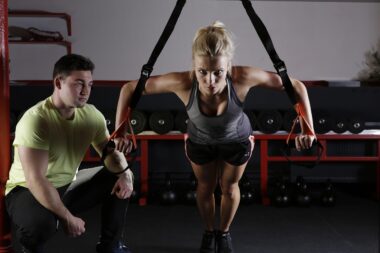

Enhancing Explosive Power Through Plyometric Conditioning
Plyometric conditioning is a dynamic training method designed to develop explosive power by incorporating rapid muscle contractions. This type of training improves overall athletic performance in various sports, aiding in quick movements and agility. Plyometrics facilitate the release of energy stored in muscles, allowing for fast, powerful actions. These exercises are essential for athletes aiming to enhance their vertical jump, sprint speed, and overall explosiveness on the field or court. Common plyometric exercises include box jumps, depth jumps, and bounding drills that engage multiple muscle groups. Strength training combined with plyometric workouts creates a balanced approach to building strength, speed, and power. Moreover, plyometric training significantly contributes to injury prevention as it enhances stability and joint strength. Incorporating plyometrics into a fitness routine also promotes better coordination and neuromuscular control. Athletes should consider their fitness levels and seek guidance when beginning these high-intensity workouts. Progression in plyometric exercises is essential to ensure safety and effectiveness, gradually increasing intensity as strength and technique improve. Plyometric conditioning is beneficial for practitioners at all levels, whether in professional sports or general fitness.
To maximize results from plyometric training, practitioners must understand key principles governing proper technique. Proper form is crucial for preventing injuries, particularly to the knees and ankles. A solid foundation of strength is necessary before engaging in plyometric exercises, as weak muscles can lead to improper execution and increased risk. Athletes should focus on core strength and lower body stability, as these elements are fundamental for effective plyometric performance. Monitoring variables such as intensity and volume is essential to tailor a training program to individual capabilities. Gradually increasing workload while allowing adequate recovery will yield optimal benefits from plyometric conditioning. Incorporating variations in exercise types and formats promotes engagement, ensuring that athletes remain motivated and less prone to plateaus in performance. Duos of resistance training and plyometrics enhance muscle recruitment patterns, fostering a sport-specific overload effect. Furthermore, energy expenditure during these bursts of explosive movements promotes cardiovascular fitness. Understanding the physiological adaptations triggered by plyometric training can help athletes appreciate their efforts and drive their commitment to a consistent regimen. Overall, plyometric conditioning can lead to unparalleled gains when approached systematically and strategically.
Plyometrics in Different Sports
The application of plyometric conditioning varies significantly across different sports, tailored to specific demands of each discipline. In volleyball, explosive jumping abilities are essential for effective spikes and blocks, making plyometrics a core component of training routines. For sprinters, exercises focused on fast-twitch muscle fibers enable quicker acceleration and top speed achievements. Football players benefit from enhanced explosiveness while cutting and sprinting, helping them to react swiftly to changing game conditions. Basketball players similarly utilize plyometric training to boost vertical jumps and layup performance, elevating their game effectiveness. Plyometrics are also beneficial in sports like soccer, where agility and rapid direction changes are necessary for success. By integrating sport-specific plyometric drills, athletes can enhance their competitive edge and achieve performance goals. Moreover, unique variations can be designed based on the position played in team sports; for instance, linemen may focus on strength and power, while wide receivers prioritize speed and agility. Engaging sport coaches in the development of plyometric programs will ensure relevance, effectively translating training into on-field performance improvements.
Safety considerations are paramount when implementing plyometric training, given its high-impact nature. Athletes must be educated on the importance of warm-up routines, which prepare muscles and joints for intense workouts, reducing the risk of injury during explosive activities. A cool-down routine post-exercise is equally important, promoting recovery by assisting in muscle relaxation and preventing stiffness. Proper footwear can provide the necessary support and cushioning to withstand impact forces incurred during plyometric exercises. Athletes should be encouraged to listen to their bodies, allowing for ample rest when fatigue sets in. Furthermore, training surfaces must be properly selected; softer surfaces like grass or gym mats provide better impact absorption compared to concrete, minimizing injury risks. Incorporating flexibility workouts alongside plyometrics enhances muscle elasticity, facilitating smoother movements and improved range of motion. Ensuring a balance between strength training and plyometric exercises supports joint health by fortifying surrounding muscles, ligaments, and tendons. Regular assessments of physical capabilities can similarly ensure that athletes are performing exercises best suited to their current conditioning levels, effectively guiding fitness progression.
Conclusion
In summary, plyometric conditioning offers an effective avenue for enhancing explosive power across various athletic disciplines. The ability to convert strength into speed greatly benefits athletes, allowing them to perform at their best. By fostering essential skills like agility, coordination, and muscle responsiveness, plyometric training leads to improved overall performance and risk management strategies. Creating a structured program that incorporates properly sourced plyometric exercises tailored for individual strengths and weaknesses will yield maximal results. Regular monitoring of training loads is crucial to ensure that athletes progress safely and effectively. Moreover, collaboration between coaches, trainers, and athletes is essential in fine-tuning approaches to maximize the benefits gained from such rigorous training. Athletes are encouraged to embrace plyometric conditioning as part of a comprehensive fitness strategy, reaping benefits both physically and mentally. The explosive nature of plyometric movements demands respect; thus, recognizing the effort invested plays a significant role in maintaining motivation and commitment. Enhanced explosive power can elevate athletes’ performances, offering opportunities to shine in competitive environments.
As the demand for dynamic athletic performances continues to grow, athletes must adapt and respond through progressive training methods like plyometrics. The unique advantages of plyometric conditioning are evident, bridging the gap between raw strength and powered movements. Athletes who diligently incorporate a variety of plyometric exercises into their training regimens can expect not only improvements in their power output but also benefits to their muscle coordination and overall athletic proficiency. Endurance is equally elevated when plyometric training is part of a larger conditioning program. Such advancements in both explosive power and endurance allow athletes to sustain higher levels of play throughout competitions, enabling them to outperform their opponents. The work that goes into mastery of plyometric techniques can radically change an athlete’s trajectory, building confidence alongside physical prowess. Overall, integrating plyometrics responsibly in training supplements other workout modalities, presenting a comprehensive approach to fitness. Continuous learning about variations and progressive overload plays a critical role in session designs, enhancing not just physical attributes, but also an athlete’s enjoyment of their training journey. Ultimately, plyometric conditioning serves not only to build explosiveness but enriches the overall athletic experience.
For anyone considering engaging in plyometric exercises, the foundation of knowledge is essential for maximizing benefits and ensuring safety. Given the potential risks associated with high-impact training, participants should thoroughly educate themselves, possibly engaging with certified fitness instructors when starting out. Connectivity to the principles of biomechanics offers insight into efficient movement patterns and muscle function, enhancing performance outcomes. Consultation with physical therapists or fitness professionals can provide individualized assessments, pinpointing any limitations that need addressing before beginning plyometric training. Establishing supportive networks among peers in training can foster motivation and accountability, leading athletes to adhere better to regimens placed in front of them. With thoughtfully designed plyometric workouts emphasizing progression, proper execution, and adjustments based on individual responses, a stable and sustainable approach to building explosive power is achieved. This allows athletes to harness their fullest potential safely and effectively. Ultimately, the journey inspires lifelong habits of health and fitness, nourishing not just their athletic aspirations but broadening their overall lifestyle approach. To those willing to put in the effort through plyometry, the rewards extend far beyond the gym, contributing to a more vibrant quality of life.
A wealth of information can be sourced for those interested in plyometric training, further enriching their knowledge and understanding. Resources such as scholarly articles, fitness blogs, and workshops can provide valuable insights into the latest training techniques and evidence-based practices. Engaging with communities focused on plyometrics also fosters shared learning, inspiring creativity in training designs. Noteworthy is the role of technology and fitness applications that can track performance progression, providing data for athletes to adaptively navigate their training paths. Furthermore, viewing instructional videos or participating in online courses enhances comprehension of specific exercises, breaking down complexities associated with technique. As personal experiences and anecdotes are shared within these platforms, aspiring athletes can find encouragement and practical advice for their journeys. Expanding access to information cultivates an inclusive environment for diverse athletes who might have previously felt limited in resources. By harnessing various sources, individuals can develop their training programs more effectively, ensuring a structured approach to plyometrics. Ultimately, the knowledge gained through resourcefulness shapes stronger, more explosive athletes equipped to brighten their athletic journeys.