
How to Choose the Right Jogging Shoes for Beginners
Jogging is an excellent way to stay fit, but selecting the right shoes is crucial, particularly for beginners. The ideal shoe should offer comfort, support, and durability. When shopping for jogging shoes, consider the following aspects. Firstly, determine your foot type—flat, neutral, or high-arched. Understanding this can guide your shoe choice. Next, consider how often and where you will be jogging; different surfaces like pavement or tracks might require specific features in a shoe. Finally, always try on shoes later in the day when your feet are slightly swollen to ensure comfort. Wearing the right socks also aids in achieving a proper fit. Be prepared to spend time walking and jogging in the shoes within the store. Look for shoes that feel snug but don’t pinch anywhere, especially around the arch and heel. The toe box should provide ample room to wiggle your toes. A good rule of thumb involves ensuring about a thumb’s width between your longest toe and the shoe’s end. Remember to prioritize comfort during your search, as this will enhance your overall jogging experience.
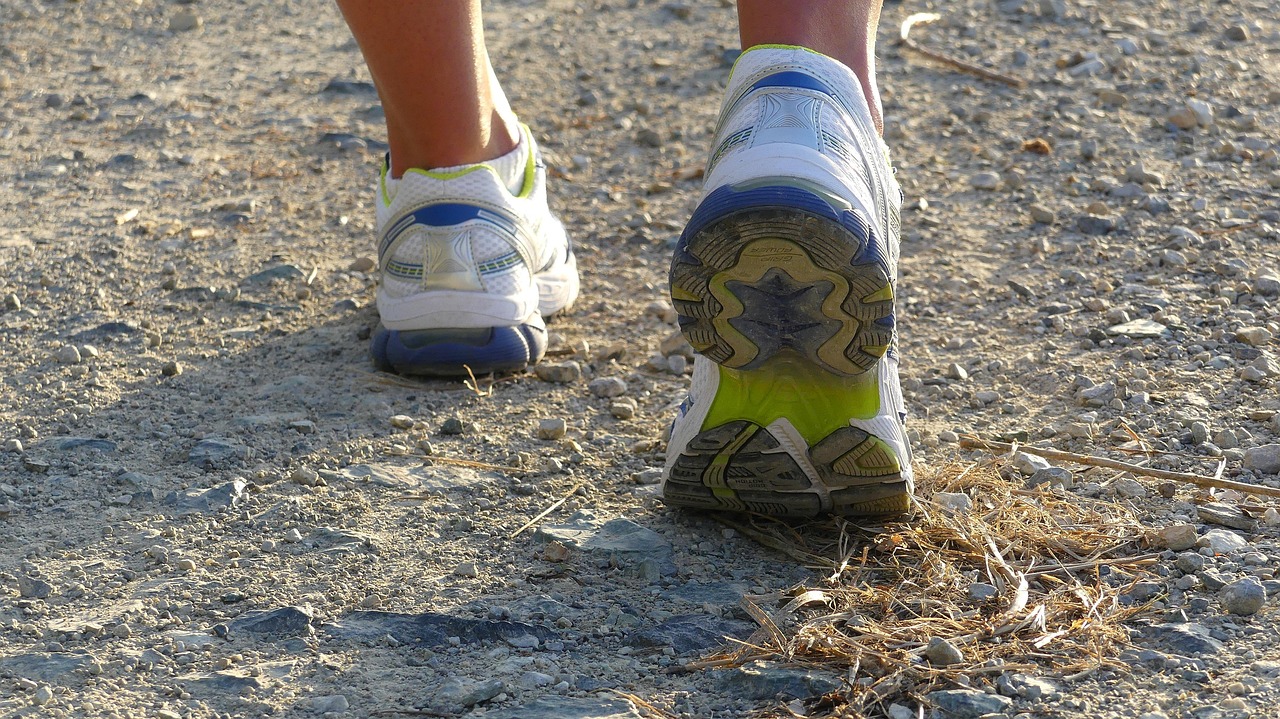
In addition to comfort and fit, it’s vital to consider the shoe’s cushioning. Cushioning plays a significant role in shock absorption, reducing impact as your foot strikes the ground. This is especially important for newcomers who may not yet have developed proper running mechanics. There are various levels of cushioning available, ranging from minimal to maximal. Some beginners may appreciate a more cushioned shoe, which can provide extra protection and support during initial runs. However, others may prefer less cushioning for a more natural running feel. Experimenting with different levels of cushioning can help you find your preference. Sole grip is also an important factor; a shoe with good traction can significantly improve performance, especially in varied weather conditions. Look for rubber soles with adequate tread, ensuring stability on different surfaces. Additionally, the shoe’s weight affects your speed and endurance. Lightweight shoes can offer a speed advantage, while heavier options may enhance durability. Ultimately, balance these factors according to personal preferences and jogging habits, allowing you a more enjoyable and effective running experience as you start your jogging journey.
Brand Considerations and Recommendations
Choosing the right brand can sometimes be overwhelming due to the sheer number of options available in the market. However, certain brands have established themselves as leaders in the jogging shoe industry and are known for their quality and performance. Nike, Adidas, New Balance, and Brooks are but a few brands worth considering for beginners. Each brand has different models catering to various foot types and running styles. When selecting a brand, it’s worthwhile to look for reviews and recommendations from other runners or seek advice from professionals at sporting goods stores. Some retailers specialize in fitting services to help you determine which brand models suit you best. Availability of returns is also essential; many brands allow for testing the shoes within a certain period so you can ensure the fit and comfort align with your needs. Lastly, consider exploring customer feedback online to inform your choices, as many experiences can guide you toward making a well-informed decision that enhances your overall jogging experience.
Another important aspect of selecting jogging shoes involves understanding the price range. Prices for jogging shoes can vary significantly based on brand, technology, and materials used. As a beginner, it might seem tempting to opt for the least expensive option available. However, investing in a quality pair of shoes is vital for long-term comfort and injury prevention. Generally, expect to spend between $70 to $150 for a good pair of running shoes. While it’s possible to find cheaper alternatives, they might not offer the necessary support and durability required for regular jogging. Look for seasonal sales and discounts to find better deals. Additionally, consider that reputable stores often have knowledgeable staff who can assist you in finding the right shoe within your budget. Online stores can also provide competitive pricing, though they lack the benefit of physical fittings. Check return policies before making a purchase, ensuring you can return or exchange them as you get used to your new jogging regimen. Investing the right amount of money in proper footwear can significantly enhance your jogging journey in the long run.
Maintaining Your Jogging Shoes
Once you’ve selected the perfect jogging shoes, maintaining them properly is essential for their longevity and performance. Regular care will help preserve their cushioning and structure, allowing a comfortable fit over time. Start by keeping your shoes clean, as dirt and grime can degrade materials. After each run, gently wipe down the exterior with a damp cloth to remove mud or sweat. Allow your shoes to air out by removing insoles and loosening laces. This practice will help them dry out completely and prevent odors. Avoid leaving them in direct sunlight or extreme temperatures, as these can weaken the materials. Replaceable insoles can also be beneficial in extending the life of your shoes, providing a fresh layer of support and cushioning. Regularly check for signs of wear, such as worn-out soles or upper materials, which may indicate it’s time for a replacement. A good pair of jogging shoes can typically last between 300 to 500 miles. Observing these maintenance tips can greatly prolong the life of your shoes, keeping you comfortable on your jogging adventures.
Lastly, listen to your body as you begin jogging. Your shoes are just one component of a successful routine. Fuel your body properly with nutrition and hydration to support your running efforts; staying hydrated before and after runs is crucial. Additionally, engage in cross-training to build strength and flexibility that complements your jogging workouts. Stretching exercises can improve your overall performance and assist in injury prevention. Pay close attention to any discomfort or pain, as this might indicate that your shoes need replacement or that adjustments to your jogging routine are necessary. Balance and consistency in your routine will further enhance your jogging experience. Set realistic goals for yourself and gradually increase distance and speed to avoid injury. Remember that every runner is unique, so what works well for one person may not work for another. Keep exploring different shoe models and techniques until you find what best suits you. Embrace the journey as you discover what empowers your running, bringing you joy and fitness as you learn and grow through the process.
In conclusion, choosing the right jogging shoes as a beginner involves careful consideration of various elements including fit, cushioning, brand, price, and maintenance. Pay attention to your own preferences and requirements to make a well-informed choice. The right shoes can significantly enhance your jog, providing comfort and support throughout your routine. Being informed and equipped with these tips will deeply impact your interest in jogging and commitment to the practice. Remember to keep an open mind as you explore different options and continually assess how they affect your running experience. Starting on the right foot with proper footwear lays the foundation for your longevity in jogging. Engage with fellow runners and share your experiences to discover new insights and recommendations. You’ll likely discover common challenges and solutions shared within the running community. Happy jogging, and may your running endeavors bring you the health benefits and enjoyment you strive for as you take those initial strides into a healthier lifestyle! Let your shoes carry you towards new paths and enrich your life as you embrace this active journey.
While it’s essential to have the right shoes, also remember to wear suitable clothing depending on season and weather. Lightweight, moisture-wicking fabrics enhance your comfort, while layers can help you adapt in changing conditions. Invest in quality socks that can prevent blisters, which is a common issue among new joggers. The right gear, paired with suitable shoes, significantly improves your running experience and performance. As you progress in your jogging routine, stay motivated by setting new challenges, such as entering local races or joining a running club. Finding a supportive community can uplift you, making jogging more enjoyable and social. Starting a running log to track your mileage and progress can also help maintain your motivation. Celebrate small victories to keep the excitement alive on your jogging journey. Remember that consistency is key, so stick with it, allowing your body to adapt over time. The joy of jogging can become a rewarding part of your lifestyle, fostering a sense of accomplishment with every mile you achieve. Always aim to listen to your body, ensuring a balance in your activities as you navigate your beginning jogging experience.