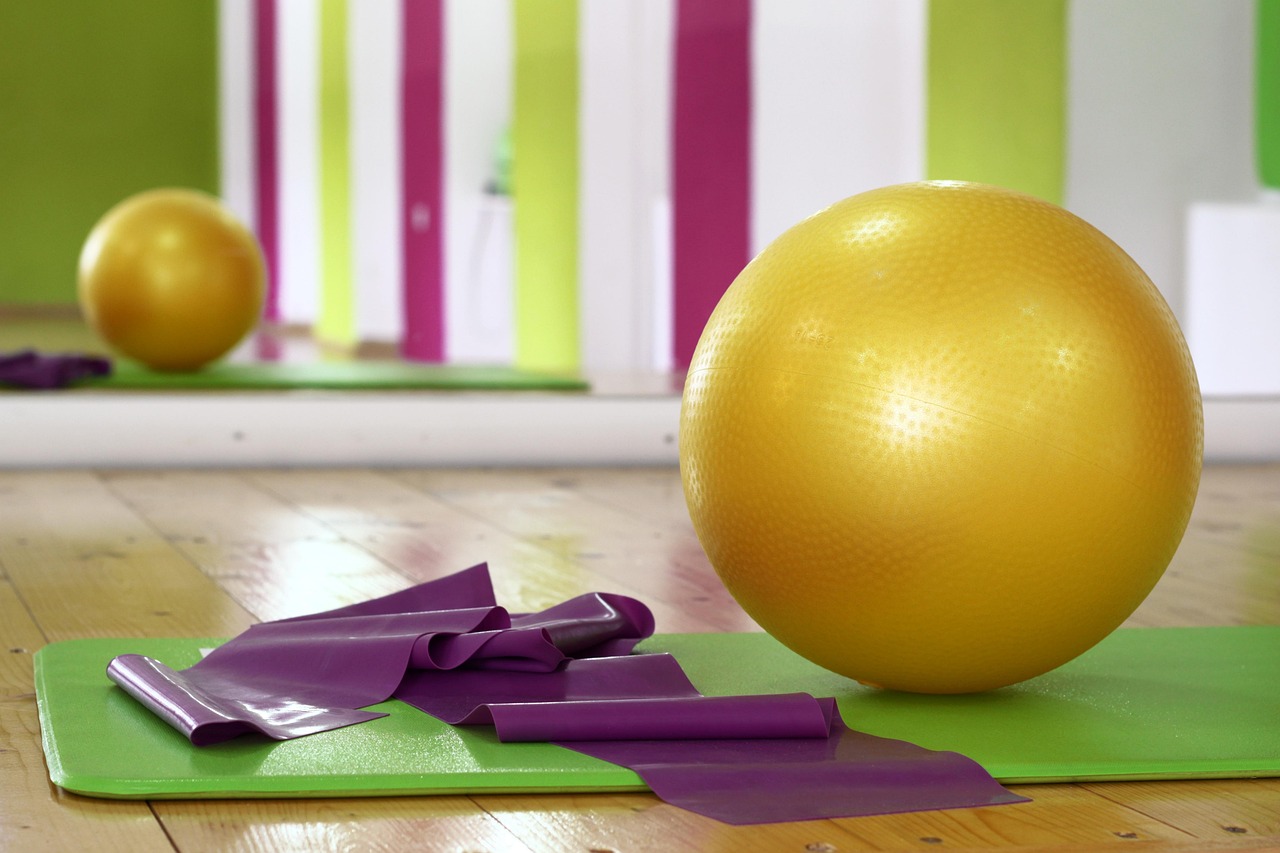

Pilates Equipment Rentals vs. Buying: Pros and Cons
Deciding between renting or purchasing Pilates equipment is a common dilemma for enthusiasts. Each option carries unique advantages and downsides. Renting allows you to explore different equipment without long-term commitment. This flexibility can be appealing for those unsure about their preferences or for beginners testing the waters. For instance, renting a reformer lets you experience its benefits firsthand without an ongoing financial burden. Additionally, renting can be cost-effective if you only plan to use the equipment temporarily. However, there may be additional fees and restrictions that renters should consider. On the other hand, purchasing has its own set of benefits. Owning your equipment provides continuous access and eliminates scheduling conflicts associated with rentals. Many find that owning quality equipment encourages consistent practice. Moreover, for dedicated practitioners, long-term investments can save money over time, especially since there are no ongoing costs involved. It is also possible to personalize owned equipment according to individual preferences. Ultimately, your decision should reflect your commitment level, budget constraints, and long-term fitness goals.
Understanding Rental Options
When you choose to rent Pilates equipment, understanding the available options is vital. Rental services typically offer a variety of equipment, such as reformers, stability balls, and mats. One of the significant benefits of rentals is the wide selection available, catering to various fitness levels and goals. This variety makes it easy to find equipment that challenges you appropriately. Furthermore, many rental programs provide high-quality, well-maintained equipment, ensuring a safe and effective workout. It’s essential to read the rental agreements thoroughly to understand your obligations. Fees, duration, and maintenance responsibilities will vary among services. Some services offer delivery and setup, alleviating the need for manual transportation. Rentals are generally short-term, suitable for specific training goals or events. If you foresee limited use of equipment, rentals may be the best choice. Some programs could even offer rental-to-buy options to be aware of, offering flexibility based on your evolving needs. Engaging directly with the rental provider will help clarify these aspects and allow you to make informed decisions.
Another aspect to consider is the cost associated with rentals, particularly over time. While the upfront costs may appear lower than purchasing, ongoing fees can add up quickly. If you plan to engage in regular Pilates practice, analyze total rental costs compared to a one-time purchase. For infrequent use, rentals might be more economical. There are potential hidden fees, late charges, or deposit demands that you might overlook initially, making budgeting crucial. Be sure to weigh these costs against the benefits of ownership, especially if you find yourself consistently renting the same equipment over time. Furthermore, rental equipment may not be as customizable as purchased items. If you thrive on personal preferences, this can impact your workout experience. Think about your exercise style—whether you prefer spontaneous variations or a structured routine. Therefore, evaluate your goals to determine if the flexibility of rentals aligns with your fitness journey or if the stability of ownership is more suited to your lifestyle. Identifying your priorities will guide your decision.
Benefits of Purchasing Pilates Equipment
Purchasing Pilates equipment presents various long-term benefits that should not be overlooked. Firstly, owning equipment allows you to integrate Pilates into your daily routines seamlessly. Once you’ve made your investment, you gain unlimited access to practice at any time. This convenience can significantly enhance consistency and motivation, leading to better results. Moreover, purchasing quality equipment ensures durability; you’ll typically have access to more advanced models that may not be available for rent. When you invest in high-quality items tailored to your preferences, personal growth becomes evident. Additionally, having your own space to practice can lead to deeper focus and relaxation. Another major advantage is the potential resale value of equipment when you’re ready to upgrade or change pursuits. Many reputable brands retain value over time, making this investment financially reasonable. Furthermore, new equipment often comes with warranties and support options, ensuring confidence in your purchase. A key component is assessing potential future needs—investing wisely means considering how your fitness routine could evolve over time.
As you decide whether to rent or buy equipment, it’s essential to think about where you’ll use it. Space constraints might make renting seem preferable; renting ensures no excess equipment clutters your home. Conversely, dedicated spaces encourage ongoing practice and commitment. If you plan to set up a home studio, buying adds practicality. Examining how you’ll maintain equipment is critical; purchase decisions should account for necessary maintenance, repairs, and cleaning. If your lifestyle requires frequent relocations or a busy schedule, rental arrangements may suit you better. You won’t need to worry about storing or transporting bulky items. However, owning allows you to create a unique atmosphere that fosters your fitness journey. It also enables deeper connections to your equipment, enhancing both practice and enjoyment. Moreover, consider your overall fitness goals—if you intend to evolve your practice, purchasing adaptable equipment facilitates that growth.Whichever route you choose, remember that both renting and buying come with their own advantages and challenges, and aligning your choice with personal objectives is ideal.
Conclusion: Making the Right Choice
In summary, deciding between renting or buying Pilates equipment requires careful consideration of your goals, budget, and commitment level. Both options present unique advantages that serve different lifestyles. Rental equipment can spark initial interest and allow newcomers to explore diverse practices while keeping expenses low. Long-term practitioners or dedicated enthusiast’s investment in quality equipment can yield significant benefits in convenience and personalization. Evaluating pros and cons ends with a clear decision that aligns with your lifestyle. Consider the frequency of your practice, available space, and fitness objectives as you weigh options. Remember to review your budget carefully to assess any hidden fees associated with rentals. Furthermore, personal commitment towards Pilates will dictate the best course of action for you. Keeping in mind your space constraints and desires for customization will further clarify the best direction. In the end, whether you decide to rent or buy, both paths offer unique interactions with Pilates and can significantly impact your fitness journey. Choose what aligns with your vision, and enjoy the necessity of integrating movement into your everyday life.