
Introduction to Student Engagement in Biomechanics
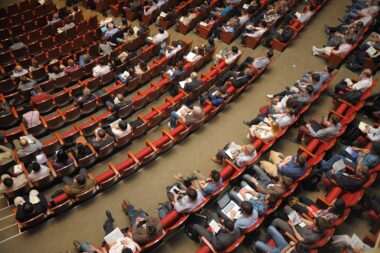
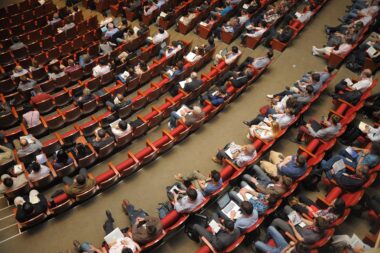
In recent years, the importance of student engagement in biomechanics has gained momentum, particularly during major conferences and events. These gatherings provide opportunities for students to immerse themselves in the latest research trends while connecting with established professionals in the field. It enhances learning by allowing students to witness firsthand the presentations of seasoned researchers. A key aspect of these engagements is the opportunity for students to participate in workshops that offer practical applications of theoretical knowledge. Such environments foster networking, encouraging students to share ideas and experiences with their peers. Students often benefit from the mentoring relationships that can form during these events, paving the way for potential internships or job opportunities post-graduation. Furthermore, conferences typically showcase groundbreaking technologies and methodologies that can significantly impact biomechanics research. Speaker panels and Q&A sessions allow students to engage directly with experts, bringing their questions to the forefront and gaining insights. Ultimately, active participation in these symposia cultivates a sense of belonging and community among future biomechanists, making these experiences invaluable for their professional growth.
Opportunities for Networking and Collaboration
Student engagement at biomechanics conferences extends beyond passive attendance. These events open the gates for networking opportunities that are crucial for career development. Students attending these conferences can meet their peers as well as industry leaders, establishing relationships that can last a lifetime. Collaborations often emerge from these interactions, providing a platform for innovative research projects. Students frequently discover potential research advisors who may guide them through their academic and professional journeys. Moreover, participating in poster presentations allows students to showcase their work, gaining constructive feedback from experienced professionals. Other students can learn from these presentations, creating a dynamic learning environment that benefits everyone involved. Many conferences also offer mentorship programs where students can receive personalized guidance tailored to their interests and aspirations. Faculty and professionals attending conferences often seek out promising talent for research opportunities, creating pathways for students to engage actively. Ultimately, these connections foster a collaborative spirit in the biomechanics community, leading to increased engagement and innovation. The ability to share ideas and resources during these conferences can motivate students and help them realize their potential in this exciting field.
The role of workshops at biomechanics conferences cannot be overstated. These workshops provide hands-on experiences that enhance theoretical knowledge for students. They cover a range of practical applications, from advanced techniques in biomechanics to emerging technologies. Engaging in such workshops allows students to translate what they learn into practical skills, boosting their confidence. Student attendees often benefit from access to current instruments and simulation software used by professionals. This real-world exposure can be instrumental in shaping their future career paths. Additionally, some workshops include collaborative projects that require teamwork, fostering essential interpersonal skills. By participating actively, students can develop a deeper understanding of the subject matter and cultivate a strong base of applied knowledge. Furthermore, workshops provide an informal setting for students to interact with experts and ask questions beyond structured sessions. These interactions can lead to richer learning experiences and personal growth. Students leave these workshops feeling empowered and motivated, often forming lasting friendships with fellow attendees. Consequently, workshops significantly enhance the conference experience, solidifying their relevance in student engagement at biomechanics events.
Online platforms have increasingly complemented traditional biomechanics conferences, enhancing student engagement in innovative ways. Virtual conferences allow students unable to attend in person to participate fully, ensuring that knowledge sharing is inclusive. These online platforms enable access to recorded sessions, panel discussions, and workshops, allowing students to explore content at their own pace. Virtual networking events can facilitate discussions with peers and professionals regardless of geographical limitations. Online chat rooms and forums can promote collaboration among attendees, fostering a sense of community that can persist long after the event ends. This digital approach presents unique advantages such as reduced travel expenses, making participation feasible for more students. However, it also creates challenges in maintaining engagement compared to in-person interactions. Organizers are increasingly seeking effective strategies to keep participants motivated and involved. Innovative uses of technology, like virtual reality, can simulate real-life conference experiences, further bridging this gap. Ultimately, the evolution of biomechanics conferences into a hybrid model promises to enhance the inclusivity of student engagement, ensuring that a broader audience can benefit from these critical learning opportunities.
In addition to workshops and networking sessions, the role of competitions in biomechanics conferences encourages student engagement. Many events feature paper or poster competitions that recognize exceptional student research. Participating in these competitions allows students to gain valuable feedback on their work, improving their research skills. Winning awards can also serve as a credential that enhances students’ resumes. These achievements can motivate students to refine and present their findings more compellingly. Additionally, engaging in competitions cultivates a healthy sense of rivalry, pushing students to excel in their research endeavors. The support of faculty mentors during this process further enhances the experience, providing insights into the competitive landscape. Furthermore, sharing success stories with peers encourages a collaborative atmosphere, where students learn from each other’s strengths and weaknesses. The ripple effect of competition extends beyond the conference, inspiring students to continuously improve and innovate in their respective areas of research. Overall, competitive elements within biomechanics conferences contribute significantly to fostering an environment that challenges and inspires, ultimately shaping the future leaders of the field.
The Importance of Volunteerism
Volunteer opportunities at conferences not only facilitate event organization but also foster student engagement, offering them essential behind-the-scenes experiences. Students who volunteer can develop organizational skills while learning about the logistics involved in running a major event. This exposure helps students understand the complexities of event management, enhancing their skill set for future roles. Volunteers are often tasked with responsibilities such as registration, assisting speakers, or helping facilitate workshops. These duties provide networking opportunities, allowing students to engage with professionals in a more relaxed environment. Additionally, volunteering can enhance the overall conference experience by contributing to a positive atmosphere for all attendees. Often, volunteers will gain free access to sessions, enabling them to maximize their learning without incurring additional costs. Furthermore, volunteer recognition can lead to opportunities for mentorship and lasting connections within the biomechanics community. Students who actively volunteer often report increased confidence and a sense of accomplishment. Such experiences can be extremely rewarding, reinforcing their commitment to the field and encouraging them to seek further opportunities for engagement and involvement in future biomechanics events.
Looking ahead, the future of student engagement in biomechanics conferences will likely be shaped by ongoing technological advancements and changing educational paradigms. As hybrid and online platforms become more commonplace, students will have the flexibility to engage in meaningful ways that cater to varied learning preferences. The rise of social media allows students to connect with conference-specific groups, building communities before, during, and after events. This digital landscape presents endless opportunities for collaboration and the exchange of ideas beyond the confines of the conference format. Active participation in online discussions can enhance learning experiences, allowing students to engage with relevant content continually. On the technology front, innovations like AI and machine learning may be integrated into research presentations, capturing the attention of the next generation of scientists. The ability to interact with simulations or virtual reality environments will likely attract student interest, ensuring future events remain relevant and engaging. Ultimately, these evolving formats will shape the way students connect with biomechanics, paving the way for a vibrant future filled with opportunities for engagement, learning, and collaboration.
In conclusion, engagement at major biomechanics symposia plays a vital role in shaping the professional journeys of students. The collaborative, networking, and learning experiences gained during these events serve as foundational stepping stones in their careers. Students are encouraged to immerse themselves fully in these opportunities, leveraging on workshops, competitions, and volunteer roles to build their expertise. The lifelong connections fostered during these events can propel students into exciting career paths, empowering the next generation of biomechanics professionals. The ongoing blend of traditional and modern conference formats will continue to enhance outreach and accessibility, offering more students opportunities to participate. As technology evolves, so do the ways students can interact with content and their peers. Continuous feedback and adaptation will remain essential to keep these events relevant and engaging. Through this commitment to fostering student engagement, the biomechanics community paves the way for innovation and growth, ensuring that the next wave of researchers and practitioners is well-prepared for the challenges ahead. Thus, as students engage more deeply, the field of biomechanics reaps the benefits of fresh talent, ideas, and enthusiasm for future developments.