
Swedish Massage in Sports: Benefits and Techniques
Swedish massage is a popular technique used in sports therapy to enhance athletic performance. This method incorporates long, flowing strokes, kneading, and stretching to promote relaxation and improve circulation. Athletes benefit from increased blood flow, which helps in delivering oxygen more efficiently to the muscle tissues. By breaking down tension and enhancing flexibility, Swedish massage can aid athletes in recovery after intense training sessions or competitions. Additionally, reducing muscle soreness contributes to a quicker return to regular practice, allowing athletes to maintain their regimen effectively. Furthermore, this technique also addresses psychological aspects, as relaxation reduces stress and promotes a feeling of well-being. Enhanced mental clarity can lead to improved focus during competition and training. By implementing Swedish massage regularly, athletes can create a holistic approach to their training. The interplay between mental and physical recovery can lead to optimal performance on the field or court. When combined with other recovery techniques, such as hydration and proper nutrition, athletes can maximize the benefits of Swedish massage, achieving their peak performance goals while minimizing the chances of injury. This technique has become essential within the realm of sports therapy, establishing its effectiveness.
Techniques Used in Swedish Sports Massage
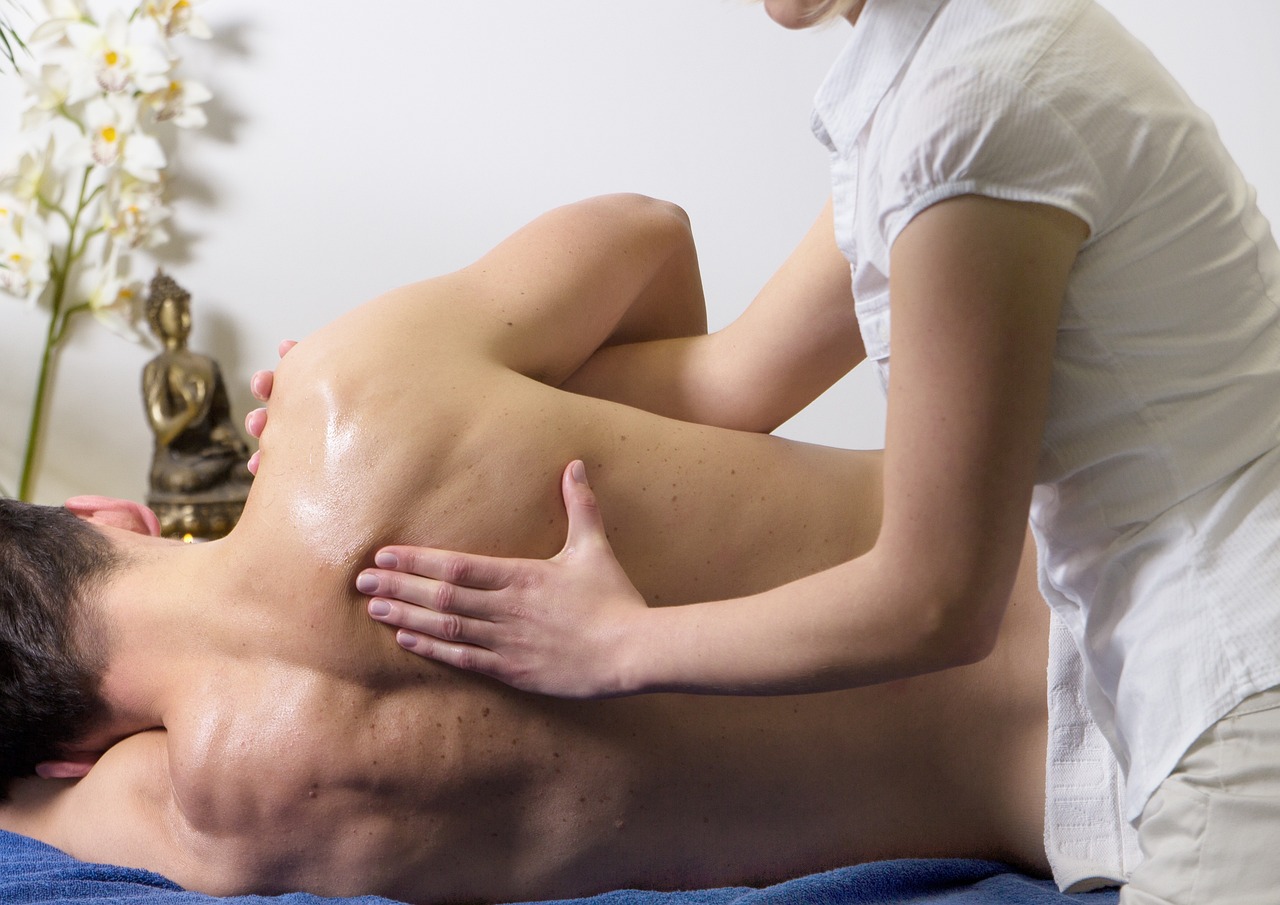
The techniques employed in Swedish sports massage are specifically tailored to address athletes’ needs effectively. The primary strokes include effleurage, petrissage, friction, tapotement, and vibration. Effleurage involves gliding movements, promoting relaxation and improving circulation. Petrissage focuses on kneading and squeezing, which helps release muscle tension and stimulate deeper tissues. Friction techniques build heat in the tissue, breaking down adhesions and ensuring proper muscle function. Tapotement incorporates rhythmic percussive movements that stimulate and energize muscles, effectively preparing them for physical exertion. Finally, vibration techniques use rapid shaking to work muscle fibers and promote further relaxation. Each technique serves a unique purpose in managing athletes’ physical conditions, catering to the dynamic nature of the sports involved. The choice of techniques can vary based on the athlete’s specific sport, level of competition, and personal preferences. Regular application of these varied techniques can lead to enhanced performance, greater mental clarity, and reduced risk of injuries. When performed by a qualified therapist, these techniques can create a supportive environment for the athlete’s growth and development, reinforcing the necessity of integrating them into training programs.
Many athletes appreciate the additional benefits of Swedish massage beyond mere physical recovery. Improved mobility and flexibility are often noticeable outcomes of regular treatments, reflecting positively on athletic performance. The deep strokes and kneading work on fascial layers, promoting greater range of motion around joints and muscles. As a result, athletes may perform movements with enhanced agility and reduced risk of strains or tears. Moreover, maintaining optimal muscle pliability plays a critical role in sustained performance. The psychological benefits cannot be underestimated, as relaxation can significantly impact mental states. Athletes who continually engage in Swedish massage often report decreased anxiety and improved focus during competitions. Comprehensive recovery strategies include techniques like stretching and mindfulness alongside massage, creating a multifaceted approach to performance excellence. Additionally, recovery periods are critical for an athlete’s long-term success, as consistent training without adequate rest can lead to burnout or injury. Utilizing Swedish massage effectively during these critical periods ensures athletes maintain optimal balance in their training schedules, preparing them to achieve their performance goals. Combining these physical and mental advantages maximizes overall athlete welfare and sets the stage for success.
Enhancing Recovery with Integrated Approaches
Integrating Swedish massage with other recovery modalities can deliver powerful results for athletes. Techniques such as contrast baths, compression, and rehabilitation exercises can complement the benefits of massage. For instance, alternating between hot and cold treatments aids in flushing out metabolic waste accumulated during intense workouts. Compression garments help support circulation and facilitate recovery, ensuring that muscles repair efficiently after strenuous activities. Incorporating rehabilitation exercises following massage can strengthen targeted muscle groups and optimize overall performance. Nutrition also plays an essential role, alongside massage therapy, to provide the necessary nutrients for muscle recovery and growth. Proper hydration levels are crucial during this recovery process to prevent cramps or fatigue. Athletes should consider discussing their schedules with knowledgeable professionals who can develop personalized recovery strategies to meet their unique needs. Establishing a routine that prioritizes recovery sustains athlete performance and minimizes potential injuries. Additionally, being proactive in recovery helps athletes maintain a competitive edge, far outweighing any seasonal performance gains. The combined approach of Swedish massage and other recovery practices is vital for holistic athlete management and ensuring long-lasting success in their respective sports.
Research underscores the importance of Swedish massage within sports medicine, as various studies indicate significant physiological benefits. Enhanced circulation, for example, dramatically improves muscle oxygenation and nutrient delivery, crucial for repairing damaged tissues. This increased blood flow is also responsible for promoting lymphatic drainage, helping to reduce swelling and inflammation in muscles after workouts. Consistent performance enhancement measures can directly impact an athlete’s longevity in their sport. Athlete retention is a metric used within professional sports, highlighting how conditioning impacts career lifespans. Coaches and trainers have begun integrating massage therapy into their training routines to ensure athletes receive holistic care while developing skills. Moreover, understanding athletes’ unique biomechanical needs through assessment offers insights into the appropriate application of massage techniques. This level of personalized attention enhances the growth potential of athletes as they develop their skills, enabling them to achieve personal and professional bests. The connection between sports performance and recovery has never been clearer, as a mindful approach towards wellness translates into physical results. Emphasizing Swedish massage alongside traditional training illustrates the profound impact of nurturing athletes’ physical and mental health.
The Role of a Qualified Therapist
The expertise of a qualified therapist is essential when implementing Swedish massage within athletic training regimens. Selecting an experienced therapist who specializes in sports massage ensures tailored approaches to individual needs. They can assess muscle tension distribution effectively and apply appropriate techniques that correspond to athletes’ specific sports or positions. Personalized treatment plans allow for targeted interventions, addressing injuries, pain management, and muscle recovery. Moreover, these professionals are aware of contraindications and can navigate potential issues regarding athletes’ health histories. This meticulous framework guarantees athletes receive optimal care, aligning recovery with performance goals. Therapists collaborate diligently with coaches and trainers to create comprehensive training and recovery plans. Regular communication fosters a partnership in the athlete’s development. Additionally, therapists can educate athletes on self-care techniques utilizing the knowledge gained during massage sessions. Emphasis on muscle maintenance, stretching routines, and posture correction can enhance the effectiveness of Swedish massage over time. The overall goal remains clear: to optimize the athletic experience. A strong partnership between therapists, trainers, and athletes is fundamental for fostering environments that celebrate performance, health, and well-being.
Ultimately, Swedish massage offers a wide array of benefits for athletes who actively engage in training and competition. Its ability to promote relaxation while addressing both physical and psychological needs has made it a staple within sports therapy. By increasing blood flow, enhancing flexibility, and facilitating muscle recovery, athletes can maximize their potential across various sports. Moreover, the evidence supporting its physiological benefits cannot be overlooked, as research continues to validate its efficacy in enhancing performance. As athletes strive for optimal results, integrating Swedish massage into their training regimens creates a competitive advantage. The role of qualified therapists cannot be overstated, as their expertise aids in tailoring recovery to individual needs effectively. Championing a collaborative approach ensures holistic care for athletes, nurturing their physical and mental aspects. Ultimately, investing time and effort in recovery techniques like Swedish massage promotes lifelong health in athletes, enabling them to pursue their passion for sport sustainably. As more athletes turn to these practices, a cultural shift towards valuing recovery in the training process will likely reshape the landscape of athletic performance in the years ahead.
As we consider the future of sports and athlete management, the integration of techniques like Swedish massage will undoubtedly continue to evolve. The competitive nature of sports propels trainers, athletes, and therapists to seek innovative solutions that foster optimal performance. Utilizing both traditional techniques and modern therapeutic innovations can create a comprehensive recovery regimen tailored to each athlete’s unique requirements. Emphasis on individual needs, coupled with a willingness to adapt as science uncovers new insights into muscle recovery and overall performance, can pave the way for breakthroughs in the field. Understanding the interplay of physical, mental, and emotional dimensions within athletic training can lead to the adoption of best practices. As sports continue changing, the influence of recovery-focused practices will play a significant role in shaping athletes’ future experiences. A collective commitment to fostering well-rounded athletes will drive success in this ever-changing environment. The future of sports performance management will lean heavily on integrating established recovery paradigms like Swedish massage within broader athlete wellness initiatives. Athletes, coaches, and therapists must work collaboratively to realize the full potential of these approaches. Ultimately, nurturing holistic athlete development will remain an exciting frontier in the world of sports.