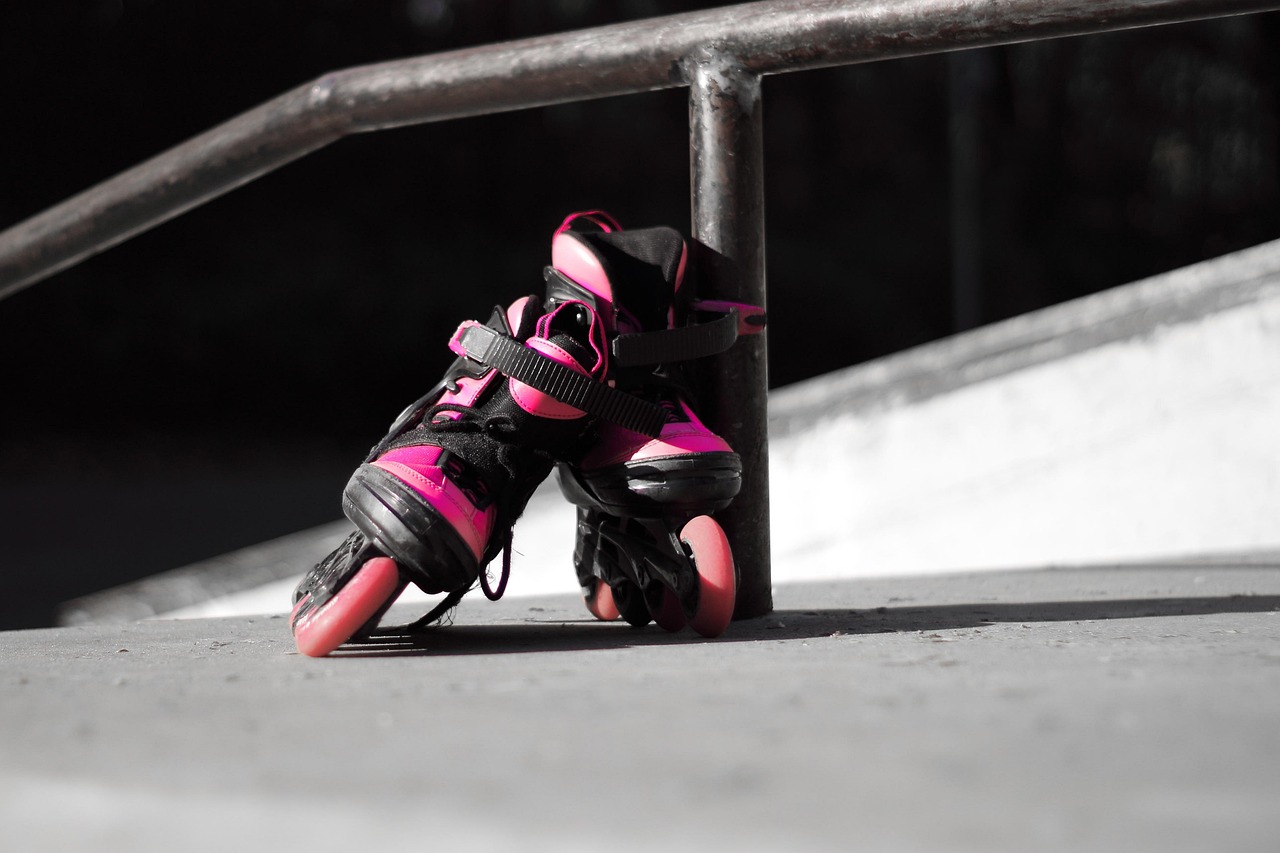

The Influence of Inline Skating Competitions on Youth Engagement
Inline skating competitions have emerged as significant events that not only showcase athletic talent but also foster community engagement and youth participation. These competitions inspire young individuals by providing platforms to demonstrate their skills, encouraging them to work hard and aim for excellence. This effect is seen across various local, national, and international competitions where youth participation is actively promoted. Numerous organizations and clubs host events that are accessible and inclusive, attracting skaters of all skill levels. When young people see their peers competing, it ignites their passion for the sport and promotes a culture of dedication and resilience. They feel a sense of belonging and camaraderie where friendships are forged and athletic skills are developed. These competitions typically feature a variety of events, such as sprint races and freestyle performances, ensuring that every skater has the opportunity to shine. Spectators, including friends and family, are drawn to these events, further enhancing community ties around the sport. This unity is essential for fostering a supportive environment that encourages growth and involvement in the sport of inline skating.
The thrill of inline skating competitions also plays a crucial role in motivating young skaters to pursue their dreams. Coaches and mentors often guide these aspiring athletes, helping them improve their skills and develop a competitive mindset. Young skaters benefit not only from their training but also from observing their peers during competitions. They learn vital lessons about persistence, sportsmanship, and the importance of teamwork. Participating in events introduces young skaters to the structure of competitive sports, teaching them how to cope with both victory and defeat. Engaging with experienced skaters and hearing their stories serves to inspire younger generations, bridging the experience gap within the community. Inline skating competitions are also an excellent platform for skill development as they often involve technical evaluations that push athletes to elevate their abilities continuously. Moreover, many events include workshops and training sessions designed to impart specialized techniques, educating once-neophyte contestants and motivating them to excel. In this way, the culture surrounding inline skating is not merely about competition; it’s about growth, learning, and shared experiences among youth.
The Community Impact of Inline Skating Events
Inline skating competitions attract diverse participants from various regions, creating a sense of community and shared purpose. Families and friends often travel to cheer for their loved ones, generating excitement and fostering a robust support network. This familial atmosphere is vital, as it encourages young skaters to push through challenges and aspire for greater heights. Communities come together to celebrate their local skaters, often transforming competitions into festive gatherings that include food stalls, music, and entertainment. Such events not only highlight the competitors’ athletic prowess but also strengthen community bonds. Local businesses benefit from increased foot traffic, leading to economic advantages for the host areas. Additionally, nonprofit organizations frequently collaborate with skaters to promote awareness about social issues aimed at the youth. This approach enhances the significance of these events, showcasing the intent to develop young skaters as role models and active community members. Consequently, competitions serve as more than just sporting events; they act as catalysts for social change and community development. The involvement of skaters in community service or advocacy initiatives considerably influences their engagement and commitment to the sport.
Sponsorship plays an essential role in shaping the landscape of inline skating competitions, promoting them to wider audiences and providing essential resources for participants. Corporate organizations often recognize these events as excellent marketing platforms that effectively reach youthful demographics. By sponsoring competitions, brands create strong connections with the skating community. Many sponsors not only provide financial support but also offer products and services that benefit competitors directly. In turn, young skaters gain access to high-quality gear and equipment, crucial for improving their performance. Proper sponsorship often leads to enhanced event organization, which increases the overall production value of competitions. This professionalism further attracts talent and boosts participation rates. Additionally, showcasing branded competitions helps create a sense of excitement and legitimacy around the sport, ultimately luring more aspiring skaters. Sponsors might also engage young athletes in promotional campaigns, further blurring the lines between sport and commerce. This relationship benefits everyone involved; brands gain exposure while skaters receive the recognition and support they require to advance in their skating careers. Thus, the intersection of commerce, community, and competition continues to shape the future of inline skating.
Health Benefits of Inline Skating for Youth
Beyond competition, inline skating itself provides myriad health benefits that actively engage youth in physical activity. Regular skating fosters improved cardiovascular health, enhances balance, and strengthens core muscles. Given the rise in sedentary lifestyles among young people, inline skating represents an exhilarating way to stay fit while having fun. The combination of speed and agility during competitions also promotes flexibility and coordination, which are essential for various physical activities. Moreover, skating serves as an avenue for stress relief. Engaging in sports helps create endorphins, the hormones responsible for feelings of happiness. Thus, competing and training offer a wonderful escape from the pressures associated with school and daily life. Many skaters develop healthy lifestyle habits as they invest time and energy into their sport, including improved nutrition and fitness regimes. This holistic approach to health benefits not only supports their skating performance but also positively impacts their overall quality of life. In addressing both mental and physical wellness, inline skating as an activity extends its relevance beyond the competition itself, nurturing healthier, happier youth with a zest for life.
Additionally, inline skating fosters social skills and emotional intelligence among youths involved in competitions. As skaters interact with their peers, coaches, and spectators, they learn vital life skills such as teamwork, communication, and resilience. These experiences contribute to their personal growth as they face various ups and downs, learning to navigate the complexities of competitive sports. Moreover, creating a supportive network encourages friendship and collaboration, with skaters willing to assist each other during training sessions or competitions. Inline skating can provide an emotional outlet as participants express themselves creatively during performances. For many skaters, participating in competitions serves as an avenue for overcoming stage fright and anxiety, as they gradually grow more comfortable in competitive environments. Lessons learned and the connections forged during these events can resonate throughout their lives, shaping future behavior in numerous aspects of life. Emotional growth is equally crucial, as it aids in developing empathy and compassion in their relationships. Thus, inline skating competitions not only sharpen athletic abilities but also cultivate essential life skills that students can apply beyond the rink.
A Bright Future for Inline Skating
The future appears promising for inline skating, especially with youth engagement at the forefront of its development. As young skaters continue to shine in competitions, they inspire others to embrace the sport and pursue their passions. Support from local communities, sponsors, and sports organizations contributes to creating sustainable growth for inline skating competitions. With increasing visibility through social media, opportunities arise for young skaters to showcase their skills and accomplishments to a larger audience. National governing bodies are recognizing the sport’s potential and working toward creating structured competition pathways, which allow aspiring athletes to progress and gain valuable experience. Furthermore, innovations in skating technology continue to enhance performance while providing safer alternatives for young competitors. Responsiveness to youth interests and suggestions will be crucial in sustaining engagement and ensuring inline skating’s relevance in diverse communities. With global competitions highlighting emerging talent, the sport will likely attract greater interest and investment over the coming years. Therefore, cultivating an inclusive environment and supportive framework for young inline skaters will ensure ongoing success and strengthen the sport’s legacy.
Overall, inline skating competitions illustrate the profound impact on youth engagement and community development through sport. The blend of athleticism, connection, and personal growth defines the unique appeal inherent in inline skating events. Enthusiastic participation from skaters and spectators alike fosters a vibrant culture that will influence future generations. The development of structured competitions and supportive community environments will empower youth to pursue their skating ambitions passionately. By prioritizing accessibility, fostering mentorship, and celebrating each athlete’s journey, inline skating competitions can continue to thrive in the coming years. The relationships forged, skills gained, and life lessons learned during these events will resonate beyond the rink, ushering in a community of empowered, inspired individuals. As the sport evolves, it will undoubtedly continue to promote well-being, friendship, and athletic excellence among young skaters everywhere. Thus, inline skating is not just a sport; it is a catalyst for personal transformation, community involvement, and cherished memories that will last a lifetime.