
The Role of Flexibility and Mobility in Aquatic Sports Performance
Flexibility and mobility are crucial components of an athlete’s capability, particularly in aquatic sports. Athletes engage in various water activities that necessitate a wide range of motion and physical adaptability. Enhanced flexibility enables swimmers, divers, and water polo players to optimize their performance significantly. In aquatic environments, the resistance of water increases the demand on joints and muscles during movements. Flexibility helps in minimizing the risk of injuries while promoting greater comfort and efficiency in strokes, dives, and movements. Stretching and mobility exercises are therefore essential in training regimens. Regular sessions focusing on dynamic and static flexibility not only improve range of motion but also contribute to muscle strength and endurance. Additionally, a well-rounded flexibility program enhances proprioception, allowing athletes to better gauge their body positioning in the water. This is paramount during competitive events where milliseconds can determine success. Athletes who prioritize flexibility also experience quicker recovery times post-training or competition, leading to better overall performance. Including flexibility training is essential for safer involvement in aquatic sports, fostering long-term athletic development while promoting enjoyment of the sport.
Benefits of Flexibility Training for Swimmers
Flexibility training for swimmers offers numerous benefits that enhance swimming performance profoundly. It improves their ability to perform strokes efficiently, facilitating smoother transitions between movements. Increased flexibility allows swimmers to achieve a more streamlined position in the water. This reduction in drag translates into faster times and more significant gains in endurance. The execution of flip turns and dives also greatly benefits from flexibility. A swimmer’s ability to rotate their torso and bend at the hips impacts the effectiveness of these movements. Additionally, flexibility supports effective breathing patterns, which are vital for swim endurance. Injury prevention is another crucial aspect; tight muscles often lead to strains during rigorous training. Enhanced flexibility prepares muscles for the demands of intense workouts, reducing the risk of injuries. Flexibility also improves recovery rates, allowing athletes to rebound quicker for subsequent training sessions. Incorporating regular stretching routines and mobility drills further supports swimmers in achieving their peak performance while allowing them to enjoy the aquatic experience fully. Skipping flexibility can lead to long-lasting consequences in athletic development, making it a non-negotiable component for swimmers.
The Impact of Mobility on Aquatic Sports
Mobility plays a vital role in aquatic sports, as it allows for fluid and powerful movements essential in achieving peak performance. Improved mobility enables athletes to navigate water efficiently, facilitating better maneuverability when swimming or diving. Mobility is about more than just flexibility; it incorporates strength, stability, and coordination. Athletes with excellent mobility experience fewer limitations in performing complex movements, which translates into better technique during races or competitions. For instance, high mobility allows swimmers to execute dives and flip turns with greater precision. Athletes who struggle with mobility may find themselves using compensated movements leading to inefficiency and slower times. Furthermore, mobility-focused training helps integrate the entire body, ensuring that core strength supports various aquatic techniques. Core strength, in conjunction with mobility, contributes significantly to balance and control in water. Properly developed mobility techniques can enhance athletes’ explosive power; critical during races that require quick bursts of speed. Coaches should prioritize mobility training, integrating it into regular workouts, ensuring their athletes meet the demands of their specific aquatic disciplines effectively.
To enhance mobility, athletes should engage in a variety of dynamic stretches and exercises. Mobility drills focus on the joints involved in aquatic movements, such as shoulders, hips, and ankles. Examples include hip circles, shoulder dislocates, and ankle mobility exercises. Athletes may also benefit from yoga or Pilates, which promote a full range of motion and increase core strength. Beyond flexibility, these practices emphasize body awareness and control vital for aquatic sports. Maintaining joint health is another significant aspect; improved mobility contributes to long-term well-being in athletes. Regular check-ins on mobility help assess progress and identify any limitations or restrictions. It is imperative for aquatic athletes to incorporate both flexibility and mobility training into their routines. A consistent, well-structured mobility program supports injury prevention, recovery, and performance enhancement. Tailoring mobility routines to the specific needs of aquatic activities maximizes the results. Coaches can implement various assessment tools to monitor flexibility and mobility throughout training cycles. This ongoing evaluation is essential for ensuring that athletes maintain optimal performance levels and stay competitive.
Challenges in Enhancing Flexibility and Mobility
Despite the numerous benefits that flexibility and mobility bring to aquatic sports, several challenges hinder athletes in achieving optimal results. One major obstacle is the lack of consistent practice and commitment to flexibility training. Many athletes often overlook this aspect, focusing primarily on performance output rather than foundational work. The misconception that flexibility training is less crucial can lead to neglect, resulting in poor performance and an increased risk of injury. Furthermore, athletes might struggle with time management, fitting in flexibility training alongside rigorous practice schedules. Balancing training needs with daily life responsibilities can create barriers. Additionally, varying body types may cause discrepancies in individual flexibility levels. Some athletes may naturally have more stiffness, which presents a hurdle in training. Tailoring flexibility routines to accommodate these differences is essential. Professional guidance can help athletes address their specific needs, ensuring effective training. Athletes must recognize the importance of flexibility and mobility as integral components of their success in aquatic sports, ultimately investing time and effort into these areas. This dedication leads to improved athleticism, satisfaction, and longevity in their aquatic careers.
Practical Tips for Improving Flexibility
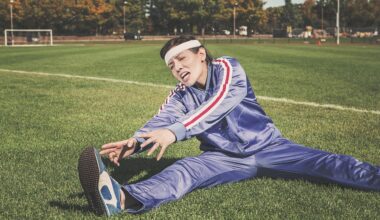
Improving flexibility and mobility in aquatic sports requires consistent effort and strategic planning. Here are some practical tips for athletes eager to enhance these crucial components. First, establish a routine that incorporates daily stretching and mobility work. Target major muscle groups involved in aquatic movement, focusing on shoulders, hips, and back. Performance in the pool significantly improves with just a few minutes of dedicated stretching before and after workouts. Secondly, engage in dynamic stretching before workouts to prepare muscles and increase blood flow. This aids in preventing injuries during intense sessions. Thirdly, use foam rollers and massage techniques to release muscle tightness and further enhance mobility. Regularly integrating yoga or pilates into one’s training regimen promotes overall body awareness and flexibility. Additionally, visualize proper technique during stretching; mental practice can reinforce muscle memory and improve flexibility outcomes. Lastly, consider working with a coach or trainer to create a personalized flexibility program. They can provide valuable feedback and ensure proper form and technique are maintained. By following these practical tips, athletes can significantly enhance their flexibility and mobility in aquatic sports.
In conclusion, flexibility and mobility are fundamental aspects of performance in aquatic sports. They enhance the efficiency of movements, reduce injury risks, and promote overall athletic development. Athletes who prioritize these areas often reap the rewards, experiencing improved performance and satisfaction. Flexibility training leads to better execution of critical skills like strokes and dives, while mobility significantly impacts control and speed. Nevertheless, challenges exist, including time management and personal limitations, which require dedication and consistency. By incorporating tailored flexibility routines, athletes can address these concerns and reap the benefits they bring. The ongoing assessment of flexibility and mobility is paramount; monitoring progress leads to informed adjustments in training. Finally, remember that the journey towards enhancing flexibility requires patience and commitment. Over time, athletes will notice significant improvements in their aquatic performance and new heights in their capabilities. Embracing flexibility and mobility as essential components of aquatic training cannot be overstated. This approach will not only elevate athletes’ performance but also ensure enjoyment in their aquatic endeavors throughout their careers.