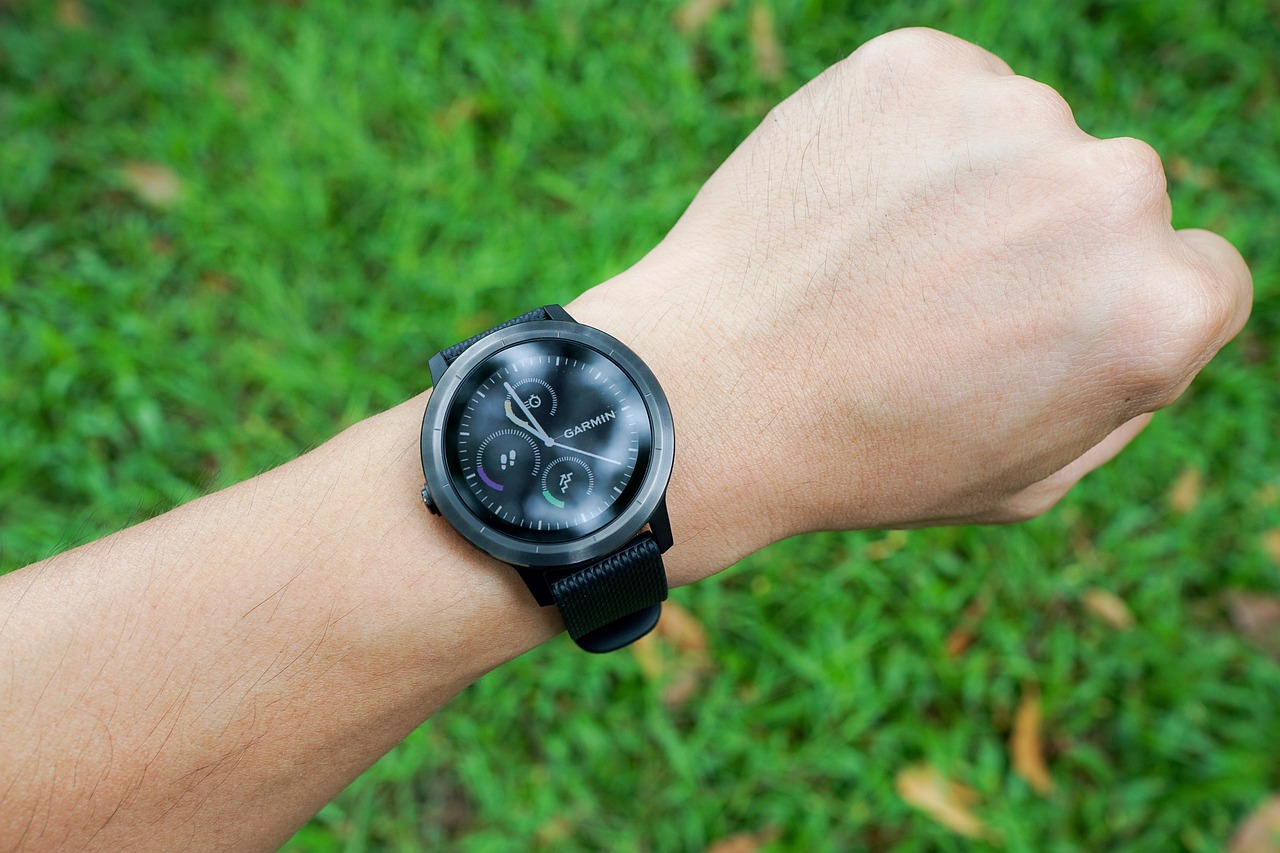

Using Wearable Technology to Track Fitness Progress
In recent years, wearable technology has transformed the way individuals approach fitness and weight loss. These devices offer real-time tracking mechanisms that help users monitor various fitness parameters. Using these gadgets, it becomes easier to set tangible goals and measure progress effectively. Wearables often include features such as heart rate monitoring, step counting, and calorie tracking. With advanced analytics implemented in these devices, users can receive personalized insights based on their performance. The intuitive nature of these technologies also promotes regular engagement, making it easier to stay motivated. Additionally, many wearables incorporate smartphone apps that expand tracking capabilities. Users can access detailed reports about their activities, sleep patterns, and overall health. Another significant aspect is the community features that many wearables offer. This allows users to connect with friends or join groups, fostering a sense of accountability. By promoting social interaction, individuals are often more inclined to stick to their fitness plans. This comprehensive approach to fitness tracking ensures users can achieve their goals with consistency and reliability.
Incorporating technology into fitness routines has numerous advantages that can enhance overall performance and motivation. With a wearable device, users can set specific targets that align with their personal fitness goals. For instance, setting a daily step count can encourage users to be more active throughout the day, incorporating movement into their routine. Wearables are not limited to mere tracking; they can provide feedback and encouragement in real-time. For example, receiving alerts when heart rates exceed recommended levels can help individuals safely adjust their intensity. Moreover, the data collected from these devices can be invaluable for healthcare professionals. They can analyze trends in an individual’s activity levels and provide tailored recommendations. Users can also share their data with trainers or coaches, ensuring better guidance based on real metrics. The visual representation of progress on apps fosters a sense of accomplishment. Seeing progress over time motivates users to continue their journey. Ultimately, wearable technology offers a multifaceted approach to tracking fitness progress, integrating personal data analysis and community support, essential elements for sustainable weight loss.
The Role of Data in Motivating Weight Loss
Understanding the role of data is crucial for those looking to lose weight. Wearable devices excel at providing information that can be both motivational and informative. By visualizing metrics such as weight changes, calorie intake, and exercise duration, users develop a clearer understanding of their habits. This knowledge empowers them to make informed decisions about their lifestyle. Additionally, many wearables now incorporate advanced algorithms to assess this collected data. For instance, some devices can provide suggestions on adjusting diet or activity levels based on past performance trends. Users are equipped with actionable insights that enhance their weight loss journey and inform their daily choices. The integration of gamification elements in apps also increases user engagement. Achievements, challenges, and reward systems are often included, allowing users to feel rewarded for their consistency. Connecting with friends or participating in challenges can foster a competitive spirit, making fitness more enjoyable. Therefore, tracking progress through wearable technology is not solely about monitoring activity; it’s about leveraging data to create sustainable lifestyle changes that aid in weight management.
Combining wearable technology with a structured weight loss plan creates a formidable approach to health management. When users embrace their devices, they begin to champion a proactive approach to their well-being. Within this framework, it becomes possible to align dietary decisions with physical activity levels, creating a comprehensive health profile. A well-organized schedule allows users to see daily, weekly, and monthly trends. These trends are vital for adjusting and recalibrating goals over time. Most wearables encourage personal growth by allowing users to track progress toward long-term fitness goals incrementally. The data collected holds users accountable, ensuring they stay true to their commitments. Creative features like reminders to drink water or motivate users to reach daily step goals provide additional support. Engaging with other users through integrated platforms can enhance the experience further, yielding a sense of belonging and encouragement. Connecting with others fosters language around fitness, taking discussions beyond personal anecdotes. As users share their achievements, challenges become less daunting. Thus, embracing technology allows participants in a weight loss journey to navigate their efforts with increased precision and clarity, ultimately leading to greater success.
Choosing the Right Wearable Technology
Selecting the best wearable technology is essential for achieving fitness goals. With an abundance of smart devices available, individuals must consider specific features that align with personal fitness objectives. Factors to contemplate include battery life, comfort, durability, and compatibility with existing platforms. Many popular devices offer various monitoring capabilities beyond basic step counting. For instance, tracking sleep patterns can provide insights into recovery and rest, a crucial aspect of any fitness journey. Additionally, some wearables boast features for monitoring hydration levels, stress management, and even menstrual cycle tracking for women. Evaluating user reviews and brand reliability will help refine the selection process. Individuals should also consider how easily the device syncs with their smartphones and which apps deliver the most valuable data. Interoperability with other applications, like nutrition trackers, can facilitate a more comprehensive overview of health. Effectively utilizing wearable technology requires finding a device that resonates with personal comfort and functional needs. By investing in the appropriate technology, users are empowered to take charge of their fitness and weight management journey, making these tools indispensable for success.
Another significant benefit of wearable technology lies in its adaptability to various lifestyles and fitness levels. They cater to a wide range of preferences, whether engaging in casual walks or intense workout regimens. Many devices intelligently analyze data to provide a personalized experience, adapting recommendations according to the user’s unique patterns and preferences. For example, wearables can offer suggested exercises tailored to an individual’s fitness level and progress. Some may include preset workout programs or guided sessions that make exercising engaging and structured. Users can select their preferred workout modes based on indoor or outdoor activities. Furthermore, being waterproof or resistant models allows activities like swimming to be tracked, enhancing accessibility for enthusiasts in different disciplines. The versatility of these devices means they can evolve alongside user growth and changing goals. Adaptation based on feedback ensures users remain challenged without feeling overwhelmed. The ongoing updates provided by manufacturers ensure that users benefit from the latest features, keeping their fitness journey dynamic. Thus, wearables become instrumental tools that not only track but also encourage continuous improvement and enhance user experience.
Conclusion: Embracing the Future of Fitness
In conclusion, the integration of wearable technology in fitness tracking represents a significant shift in how individuals approach their health and weight loss journeys. As more people become increasingly health-conscious, the demand for tools that can effectively monitor performance will continue to rise. This technology simplifies the complexities of tracking personal health, making it accessible for everyone, regardless of starting point or fitness level. By leveraging the power of data and wearable devices, users can gain insights that drive motivation and lead to actionable changes. With the continuous evolution of technology, we can anticipate even more advanced features that provide deeper insights into health metrics. Innovative tools will further enhance accountability and connectivity with other users, thereby fostering a more supportive environment for weight loss and fitness achievement. The future of fitness lies in empowering individuals through technology, making health tracking easier and more engaging. By embracing these advancements, individuals can embark on successful weight management strategies and ultimately lead healthier, more fulfilling lives. Wearable technology, therefore, remains a vital component of our health and fitness landscape.