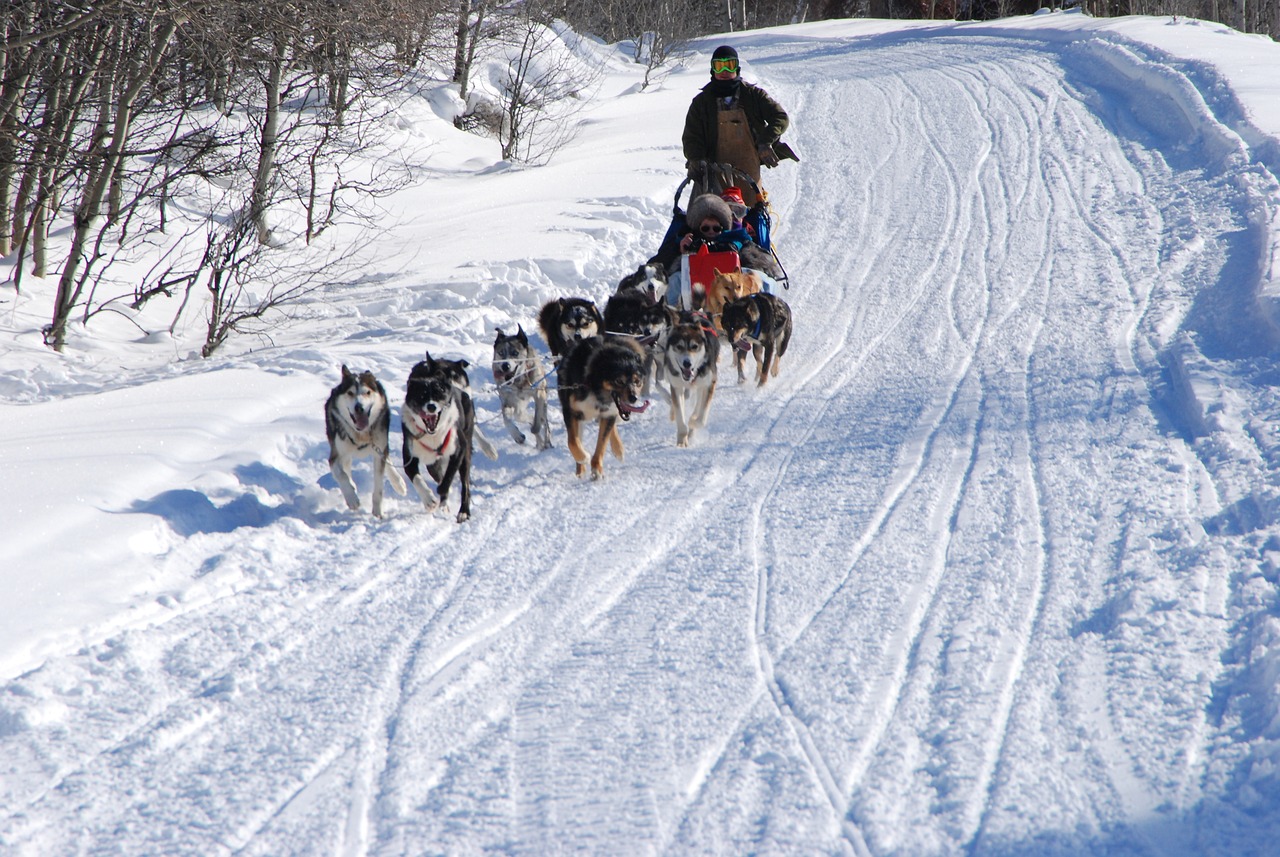

Winter Survival Skills Learned from Dog Sledding
Dog sledding is more than just an adventure; it imparts numerous winter survival skills essential for dealing with harsh climates. Mastering the art of dog sledding teaches participants how to adapt to extreme temperatures while ensuring the safety of both themselves and their canine companions. One primary skill acquired is the ability to layer clothing effectively. By understanding how various materials work together to retain body heat without overheating, adventurers can maintain comfort during long excursions. Additionally, planning routes based on weather conditions is vital. Sledders must interpret weather signs, utilize maps, and chart paths through icy terrains, which enhances navigational skills. Furthermore, novice sledders learn the importance of hydrating even during frigid weather when thirst cues may diminish. Checking in with one’s body and recognizing fatigue becomes crucial during multi-hour sledding adventures. Care and feeding of the sled dogs is another essential learning point, ensuring their health and stamina during journeys. Trainees also develop problem-solving skills in real-time scenarios, allowing for quick decision-making when faced with unexpected challenges. Collectively, these skills are instrumental in building resilience in any winter wilderness setting, equipping explorers for safe and sustainable adventuring.
Another essential skill gleaned from dog sledding is teamwork, which plays a pivotal role in successful expeditions. In dog sledding, activities are rarely solitary. Working in tandem with fellow mushers fosters cooperation, communication, and trust. Each sledder is assigned specific roles, allowing intervals for resting and ensuring that all dogs are well cared for throughout the journey. This collaborative effort teaches participants the value of shared responsibilities, as everyone’s actions significantly impact the overall performance of the team. Moreover, mushers must also take the lead in managing not just their sled but also the sled dogs. Properly guiding and motivating dogs requires patience, respect, and an understanding of canine behavior. Through this partnership, mushers learn to read their dogs’ body language and adjust their strategy accordingly. Thus, developing an instinctive bond between human and animal through understanding is emphasized. Additionally, being a good listener is a vital component of teamwork. Sledders learn to heed the insights and advice of more experienced teammates, enhancing their knowledge base. Ultimately, teamwork flourishes in winter environments, significantly improvising as mushers realize that every challenge is less daunting when faced together.
Skillful navigation is another vital aspect derived from dog sledding. Enthusiasts must become adept at using their surroundings to determine directions and locate valuable landmarks. Participants learn to recognize features in the landscape, including tree lines and variations in snow texture, which assists in guiding their sled team. Moreover, individuals begin to understand how terrain influences the movement of their sled. Uphill sections require different approaches than downhill, thus emphasizing tactical adjustments. A key aspect involves teaching mushers to read the snow; understanding its condition can prevent mishaps or injuries during long rides. Variations in snow, such as crust or powder, require different sledding techniques and exertions. Furthermore, triumphant sledders maintain keen awareness of changing weather patterns, recognizing when to adjust their travel plans towards safety. By learning to interpret these environmental clues, an essential survival skill is cultivated that extends beyond dog sledding, allowing for safer winter travels in any wilderness scenario. Navigational skills foster an understanding of nature’s many dynamics, promoting the development of respect for the environment and its various challenges. Thus, dog sledding offers a multifaceted skill set essential for engaging outdoor adventures.
The Importance of Physical Conditioning
Dog sledding also embodies the necessity of physical conditioning, emphasizing its significance in outdoor sports. Participants quickly develop a comprehensive understanding of stamina and strength demands in extreme cold. As mushers navigate challenging trails, with intense pulls from the sled and relentless snow conditions, they learn to optimize their energy levels efficiently. A crucial takeaway is understanding the body’s limits while pushing oneself to endure both physically and mentally demanding situations. Beyond just strength, participants develop cardiovascular fitness through consistent activities and alternating movements, offering endurance training unlike any other sport. Furthermore, warming up and cooling down routines become second nature, promoting injury prevention while enhancing flexibility. Sledding also introduces fundamental techniques to break down movements effectively. These techniques lead to improved overall coordination as mushers learn to balance on sleds while staying grounded. As they wrestle with differing weights and forces while steering, coordination is crucial. Eventually, maintaining proper posture and body alignment becomes critical as voila, achieving both comfort and efficiency becomes the goal. The commitment to physical conditioning dovetails with personal health improvements, making dog sledding a beneficial sport for future adventure seekers.
Equally important is learning to maintain a strong mental attitude; dog sledding naturally cultivates resilience. Mussler encounters harsh conditions and the unpredictability of the wilderness that can quickly lead to frustrations. Thus, developing coping strategies for dealing with such encounters becomes paramount. Through vigorous outdoor exercises, mushers learn to trust their instincts while maintaining a positive mindset. Equally, participants gain an understanding of what motivates them, empowering the exploration of personal limits. A focus on mental conditioning is often mirrored through sustained encouragement among team members. This tremendous support helps build emotional strength as each team celebrates small victories through their trials together. Moreover, participants address setbacks together and realize every misstep is an opportunity for growth. Each expedition also fosters self-reflection, allowing mushers to identify weaknesses that can be improved for future endeavors. Learning to keep focused amid adverse conditions sharpens decision-making skills essential for practical survival. This invaluable skill set can apply to any challenging life situation beyond dog sledding, equipping enthusiasts with confidence, determination, and resilience. Building mental fortitude lays an impressive foundation for enduring hardships, enabling successful navigation through whatever challenges may arise.
Adapting to Environmental Challenges
Adapting to environmental challenges is an essential learning outcome from dog sledding. Participants quickly become attuned to their surroundings, learning how various conditions influence their journey, from temperature fluctuations to alterations in snow depth. Additionally, confronting unpredictable wildlife encounters allows mushers to sharpen their alertness and situational awareness. Being mindful of surroundings fosters greater appreciation for the outdoors while understanding involved responsibilities. Adaptability becomes crucial; changes in trails necessitate flexibility and strategic responses, both as individuals and as a team. Each expedition offers unique challenges that enhance problem-solving abilities continuously. Moreover, facing the daunting cold plunges mushers into situations that require not just physical behavior adjustments, but also psychological resilience. Participants learn strategies for handling discomfort and stress, whether executing quick repairs or redirecting teams effectively. Developing creative responses in stressful scenarios translates into a broader understanding of adaptability, helping adventurers navigate through various unpredictable situations both on and off the sled. Additionally, learning to thrive in change fosters greater enjoyment of outdoor sports, encouraging future participation in other winter challenges. The adaptability achieved through dog sledding can serve as a guiding principle for any outdoor endeavor, enriching experiences for outdoor enthusiasts.
Finally, embracing environmental stewardship emerges as a crucial lesson derived from dog sledding. Participants quickly realize their interactions with nature significantly impact the environment they traverse. Learning to tread lightly and respect nature is emphasized, as mushers witness firsthand the vulnerabilities of delicate ecosystems. Gaining knowledge on sustainable practices ensures that future generations can experience the beauty of the winter outdoors as they did. Awareness about local flora and fauna becomes integral, fostering deeper connections with the natural world. Moreover, recognizing the impact of littering or pollution enhances a sense of responsibility among mushers. This profound commitment to preservation elevates their adventures beyond mere recreation, transforming them into advocates for conservation. Environments unique to dog sledding, such as the icy wilderness, inspire respect to ward off any destructive behavior. As musher develop a profound appreciation for the landscapes they traverse, this influence shapes their perspectives even outside of the sport. Therefore, the dedication to environmental stewardship transformed through dog sledding signifies a lasting legacy. By nurturing an ethic of care towards the planet, adventurers can positively contribute to protecting nature’s beauty for years to come, blending passion for adventure with ecological mindfulness.
Ultimately, dog sledding merges sport with essential life skills, embedding into participants a deep-rooted love for the outdoors. Engaging in this exhilarating experience provides numerous practical teachings, from teamwork to physical conditioning and environmental preservation. Every adventure becomes a journey of self-discovery, pushing limits while fostering growth in various realms. Armed with indispensable lessons from dog sledding, enthusiasts cultivate resilience, adaptability, mental fortitude, and cooperation. Venturing into the wilderness transforms each individual, whether mushers or avid spectators, encouraging a desire to embrace the challenges presented by winter. By sharing knowledge and experiences, they create a vibrant community committed to living harmoniously with nature. Thus, dog sledding serves as not just a sport but a valuable teacher, nurturing lasting memories and skills that transcend mere escapades into the frozen wilderness. Participants form profound relationships with their sled dogs, intertwining bonds of respect and trust that elevate the experience. Moreover, the joyous connection to heritage, culture, and adventure leads to personal and environmental enrichment. This understanding translates into a deeper appreciation for life outside daily routines, seeking the thrill of the unknown while cherishing nature. Experience dog sledding and embark on an unforgettable path towards discovering the true meaning of winter survival skills.