
Yoga Poses That Help Strengthen the Pelvic Floor After Delivery
Restoring pelvic floor strength after delivery is crucial for postpartum women. Pregnancy and childbirth often weaken the pelvic muscles, leading to issues such as incontinence and discomfort. Yoga offers gentle yet effective methods to rebuild strength in this area. Incorporating specific poses can aid in recovery, helping women regain confidence and mobility. In this article, we focus on several effective yoga poses designed to strengthen the pelvic floor after childbirth. These poses are safe, beneficial, and can be practiced at home without specialized equipment. They emphasize breath control, alignment, and gradually increase flexibility and strength. Always consult your doctor before beginning any new exercise program, especially after childbirth. Providing proper care for your body during this period is essential to ensure a smooth recovery process. Let’s explore some key yoga poses that can support pelvic floor strength and overall well-being in postpartum mothers. Moms can experience a positive impact on their physical and mental health through these practices. Join us in learning how to restore your body’s balance and strength through tailored yoga methods.
Key Yoga Poses for Pelvic Floor Recovery
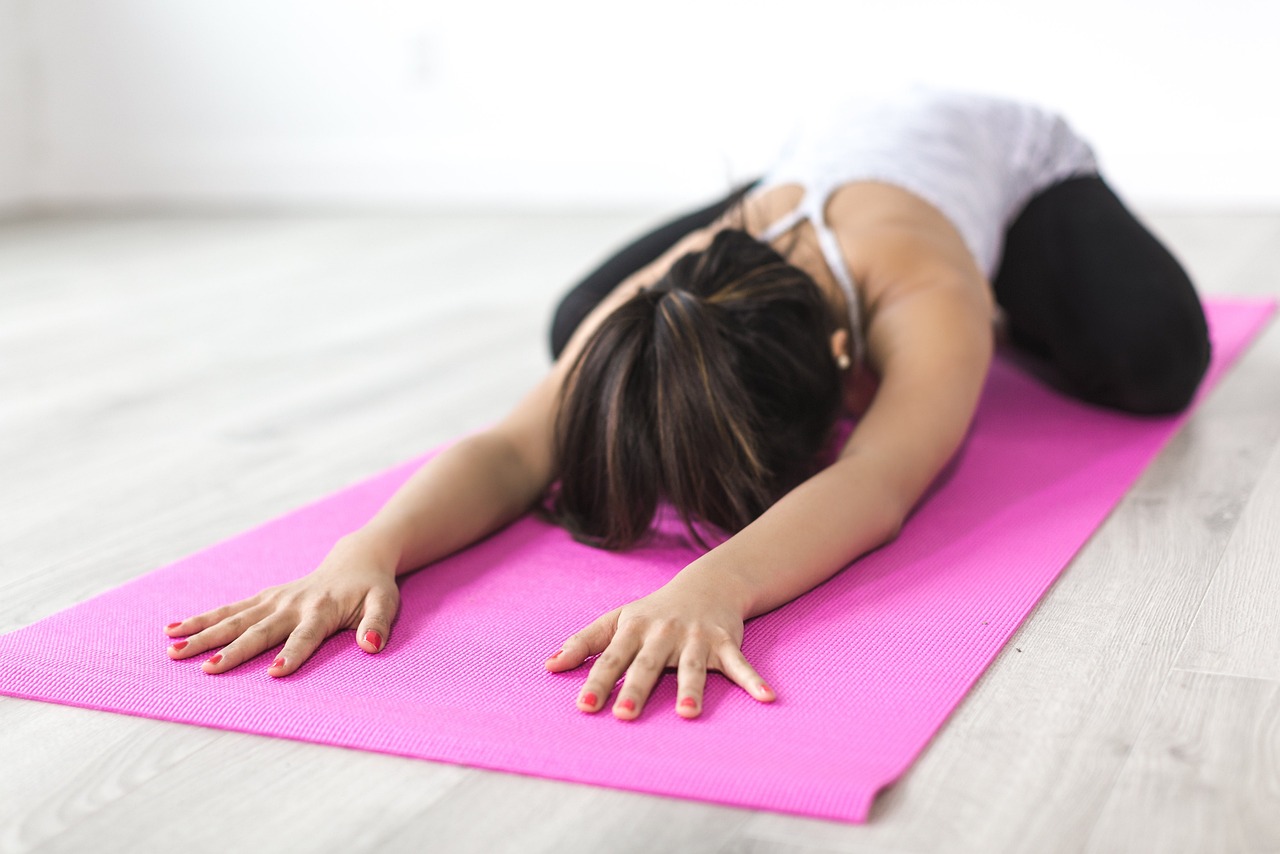
The first effective pose to consider is the Bridge Pose. This pose focuses on strengthening the pelvic floor and lower back while promoting flexibility. Start by lying on your back, with your knees bent and feet flat on the floor, hip-width apart. As you inhale, lift your hips towards the ceiling, tightening your pelvic muscles. Hold this pose for a few breaths, then lower your hips back down. Another beneficial pose is the Child’s Pose, known for its relaxing effects and ability to stretch the pelvic area gently. Kneel on the floor, sit back on your heels, and reach your arms forward. Breathe deeply, focusing on relaxing your pelvic muscles. Incorporating these poses into your routine can significantly enhance your pelvic floor recovery. These movements aren’t just about physical strength; they also help in connecting with your body post-childbirth. Remember, consistency is key, and even small daily efforts can yield excellent results over time. Always listen to your body’s signals and adjust your practice to suit your comfort level.
Furthermore, the Cat-Cow stretch is an excellent yoga option for postpartum recovery. This pose combines two movements that promote spinal flexibility and strengthen your core, impacting the pelvic floor positively. Begin on your hands and knees, aligning your wrists under your shoulders and knees under your hips. On an inhale, arch your back, lifting your head and tailbone towards the sky, creating the Cow pose. Then, on an exhale, round your back, tucking your chin and tailbone, forming the Cat pose. Flow between these poses with your breath, feeling the stretch throughout your spine and pelvic area. Another notable pose is the Happy Baby pose. This pose promotes relaxation while releasing tension in the hips and lower back. Lie on your back, bringing your knees towards your chest. Grab the outside edges of your feet with your hands and gently pull down, exposing yourself to a comfortable stretch. Always focus on your breath and listen to your body. Each of these poses can help restore pelvic floor strength, improving your overall health and emotional well-being.
Breath Awareness in Your Practice
A crucial aspect of yoga for postpartum recovery is breath awareness. Proper breathing techniques can enhance your pelvic floor exercises’ effectiveness. Integrating deep, diaphragmatic breathing during your practice allows you to engage your pelvic floor muscles more efficiently. Inhale deeply through your nose, allowing your abdomen to rise, and then exhale gently through your mouth. By focusing on your breath, you create a calming atmosphere and connect more profoundly with your body during your yoga practice. Try to synchronize your breath with specific movements. For example, when lifting your hips in the Bridge pose, breathe in deeply, and as you lower them, exhale fully. This rhythm improves muscle engagement while promoting relaxation and reducing stress. Incorporating breath awareness helps deepen the benefits of each pose, leading to a more fulfilling yoga experience. As postpartum recovery unfolds, this mindful approach to breathing can significantly enhance recovery efficiency. It’s essential to form a habit of applying breath awareness into your daily routine, creating a holistic approach to your wellness journey after childbirth.
Additionally, the Warrior II pose can offer substantial benefits when it comes to building pelvic strength and stability. This pose helps to strengthen the legs and core while promoting overall body balance. To practice this pose, stand with your legs wide apart, turning your right foot out at a 90-degree angle. Bend your right knee and extend your arms parallel to the floor. Focus on maintaining stable legs and strong breath as you hold this position. Warrior II not only strengthens your body but also boosts confidence. Another effective pose is the Side Lying Leg Lift. This exercise targets the outer thighs and pelvic floor, promoting stability and strength. Lie on your side, with your head supported by your arm. As you lift your top leg, keep it straight while engaging your pelvic muscles. Lower it back down in a controlled manner. This movement can help strengthen the pelvic area and improve overall lower body strength. Always remember to stretch and relax your muscles after practice to avoid stiffness and enhance recovery. Targeted poses contribute significantly to your postpartum fitness journey.
Conclusion: Embracing Your Postpartum Journey
Embracing your postpartum journey requires attentiveness to your body’s needs and a commitment to restoration. The yoga poses discussed, like Bridge, Cat-Cow, and Warrior II, play a pivotal role in reinstating pelvic floor strength and enhancing overall fitness. Each movement serves as a way to forge a stronger connection with your body, promoting both physical recovery and mental well-being. Consistency in practicing these gentle stretches can yield remarkable transformations over time. It’s essential to approach your recovery at your own pace, allowing your body to heal fully. Engage in a routine that feels right for you, prioritizing your comfort and health. Remember also to celebrate the small victories along the way, as every step forward is significant. Yoga is not merely about improving strength; it’s also about finding balance and peace within yourself. Always listen to your body and consult healthcare professionals when necessary. Incorporating these mindful practices into your daily life can immensely support your postpartum recovery. Ultimately, embracing this journey means nurturing your body with love, patience, and understanding.
In conclusion, the journey of restoring your pelvic floor postpartum can be fulfilling and empowering. Incorporating yoga into your daily routine serves both physical and mental well-being. As you explore different poses, be consistent, mindful, and gentle with your body. You will find that these practices not only strengthen your pelvic floor but also create a peaceful space for healing and self-discovery. Each yoga session can be a personal retreat, offering an opportunity to connect with your body and breathe deeply. Share your journey with fellow mothers who may be on a similar path, as support can be invaluable. Engage with communities in person or online to share experiences and tips on recovery. Yoga encourages a holistic approach to health and wellness, addressing both mind and body. Always prioritize self-care, ensuring you take time for yourself amid the joyful chaos of motherhood. By embracing these practices, you contribute positively to your recovery and overall health. Rest assured, every bit of effort is a step towards regaining your strength and confidence. Let these yoga poses be your guide on this rewarding journey.
In conclusion, the journey of restoring your pelvic floor postpartum can be fulfilling and empowering. Incorporating yoga into your daily routine serves both physical and mental well-being. As you explore different poses, be consistent, mindful, and gentle with your body. You will find that these practices not only strengthen your pelvic floor but also create a peaceful space for healing and self-discovery. Each yoga session can be a personal retreat, offering an opportunity to connect with your body and breathe deeply. Share your journey with fellow mothers who may be on a similar path, as support can be invaluable. Engage with communities in person or online to share experiences and tips on recovery. Yoga encourages a holistic approach to health and wellness, addressing both mind and body. Always prioritize self-care, ensuring you take time for yourself amid the joyful chaos of motherhood. By embracing these practices, you contribute positively to your recovery and overall health. Rest assured, every bit of effort is a step towards regaining your strength and confidence. Let these yoga poses be your guide on this rewarding journey.