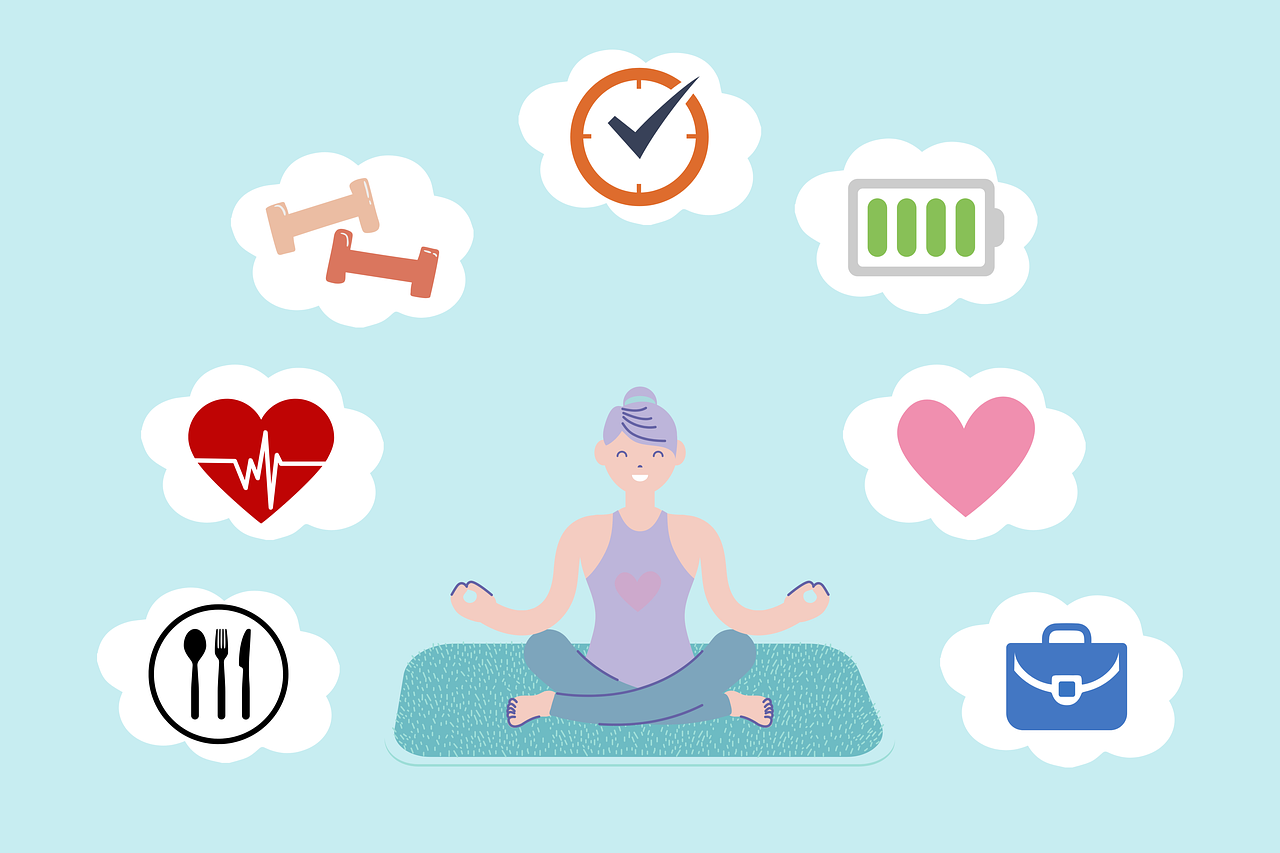

Balancing Physical and Mental Health with HIIT
High-Intensity Interval Training (HIIT) is recognized not only for its physical benefits but also for its positive impact on mental health. The intense bursts of energy followed by rest periods stimulate various physiological processes that can uplift mood and reduce stress. Exercise in general has been shown to release endorphins, the body’s natural stress relievers. In addition, HIIT’s structure—short and impactful—makes it easier for individuals to commit to a workout without feeling overwhelmed. Moreover, the varied nature of HIIT keeps workouts engaging, preventing boredom. Incorporating HIIT into a routine could lead to improvements in sleep quality, a vital aspect of mental well-being. With better sleep, the body can recover more effectively, improving cognitive function, decision-making, and emotional regulation. Overall, the connection between physical exertion and psychological health is strong, advocating for regular participation in HIIT sessions. Individuals can begin to notice these mental benefits within weeks, if not days, of starting a structured exercise plan. This combination of physical and psychological gains makes HIIT a valuable tool for enhancing overall quality of life.
The role of community and support in maintaining a consistent HIIT routine can’t be overstated. Group classes offer not only motivation but also a social outlet, which is essential for mental well-being. Engaging with others during workouts fosters a sense of belonging and can create new friendships. Many findings suggest that social connections can significantly improve mental health outcomes and combat feelings of loneliness or anxiety. Furthermore, trainers and instructors provide essential guidance and encouragement. Knowing someone is there to assist and motivate can enhance self-efficacy, allowing people to push their limits safely. In HIIT classes, the camaraderie formed through shared challenges builds emotional ties among participants. Together, individuals share successes, push through hardships, and celebrate progress. Those who participate in group HIIT workouts often report feeling more accountable, encouraging consistent attendance. This sense of accountability can lead to long-term commitment to fitness and mental health. Additionally, the synergistic effect of uplifting social interactions combined with rigorous physical activity creates an environment conducive to personal growth, making HIIT a holistic endeavor aiming to unify body and mind.
HIIT and Regulation of Stress Hormones
HIIT plays a pivotal role in regulating stress hormones, such as cortisol, which can be detrimental when elevated chronically. Engaging in high-intensity bursts can effectively lower cortisol levels while enhancing the release of serotonin and norepinephrine. These hormones help improve mood and cognitive processes. When individuals partake in regular HIIT sessions, they often notice heightened levels of concentration and focus in everyday tasks. Maintaining a balanced hormonal environment is crucial for stress management and mental resilience. Such physiological changes contribute to improved coping mechanisms in challenging situations. Additionally, the quick nature of HIIT encourages individuals to allocate only a small portion of time for workouts, making fitness more accessible for busy lifestyles. This can lessen feelings of inadequacy or discouragement that often accompany more extended training regimens. Consequently, individuals can feel accomplished and motivated by effectively completing their workouts. Ultimately, fostering a routine that engages in HIIT promotes a cycle of fitness and mental health, whereby improved physical capabilities enhance emotional stability, forming a comprehensive strategy to tackle daily pressures.
The adaptability of HIIT is another essential aspect that contributes to its popularity and effectiveness in mental health support. HIIT workouts can cater to individuals of all fitness levels, enabling everyone to participate regardless of their starting point. Modifications can be easily integrated into routines, making it suitable for those recovering from injuries or those just beginning their fitness journey. This inclusivity ensures that no one feels alienated, reinforcing the notion that everyone can benefit from structured physical activity. Additionally, various exercise modalities—such as cycling, running, or bodyweight exercises—can be incorporated into HIIT routines, allowing individuals to experiment and discover what works best for them. Personal preferences lead to higher adherence rates, as individuals are more likely to continue exercising when they enjoy their workouts. Furthermore, creating personalized HIIT plans that align with one’s lifestyle helps develop and maintain consistency, which is vital for achieving mental health benefits. As a result, the flexibility and customization of HIIT routines foster an environment where individuals can thrive both physically and mentally.
Long-Term Benefits of HIIT
Adopting HIIT for mental health also comes with numerous long-term benefits, solidifying its status as a holistic fitness approach. Regular practice can lead to sustained improvements in anxiety and depression levels. Studies have shown that those who engage in high-intensity workouts often experience lower incidences of mental health disorders over time. Furthermore, the resilience developed through completing challenging workouts translates into improved coping strategies in daily life. This mental strength can significantly enhance one’s overall quality of life, aiding in both personal and professional spheres. As individuals witness their bodies grow stronger, they often experience increased self-esteem and confidence. This newfound self-worth can encourage them to take on new challenges outside the gym, positively impacting interpersonal relationships. Alongside physical capabilities, improved mental health creates a more balanced and fulfilling life experience. Lastly, participating in HIIT provides a fruitful avenue for better stress management techniques, helping individuals navigate life’s pressures more effectively. This transformation underscores HIIT’s profound effects in fostering well-being, both mentally and physically, chaining positive outcomes through diligence and dedication.
Incorporating mindfulness techniques into HIIT workouts can further enhance mental health benefits. Mindfulness involves focusing on the present moment and acknowledging feelings without judgment. By integrating mindfulness into HIIT, participants become more aware of their bodily sensations, breath, and emotions during workouts. This heightened awareness promotes a more profound connection between the body and mind. A mindful approach to exercise can minimize the likelihood of burnout or injury, as individuals learn to listen to their bodies and adjust intensity levels accordingly. Additionally, being fully present during workouts fosters a greater appreciation for physical capabilities, leading to increased motivation. Such practices help cultivate a positive mindset, reinforcing a cycle of emotional wellness. Moreover, participants who apply mindfulness often note an enhanced ability to manage stress, improving emotional resilience. This approach resonates with the growing movement towards mental health awareness, suggesting that fitness is not merely physical but also deeply rooted in psychological well-being. Embedding mindfulness into HIIT can create a unique fitness experience that nurtures holistic health, resulting in empowered individuals equipped to face the challenges of daily life.
Conclusion
In conclusion, the multifaceted benefits of HIIT significantly extend beyond physical fitness, enhancing mental health and promoting emotional well-being. Its efficiency accommodates individuals with busy lifestyles, offering substantial results in both short-term motivation and long-term health improvements. With continuous engagement, participants can build resilience against stress and anxiety while improving self-esteem. The social dynamics experienced in group classes serve to foster connections and motivate individuals through shared efforts, promoting accountability and community support. Additionally, by incorporating mindfulness, participants can deepen their awareness, enhancing the exercise experience. The science backing HIIT’s positive impact on hormonal balance and psychological health underscores its validity as a holistic fitness approach. As individuals strive to balance their physical and mental health, HIIT emerges as an effective and enjoyable solution. By committing to this method, a comprehensive strategy for improved overall well-being is cultivated, paving the way toward a fulfilling and balanced life. Thus, including HIIT in a fitness regimen stands out as a profound choice for anyone looking to enhance both body and mind in harmony.
HIIT requires minimal time commitment and can be tailored to individual preferences and fitness levels. Thus, it is attractive to those who may struggle to find time for longer workouts.