
Capoeira Training Camps: Immersive Self-Defense Experiences
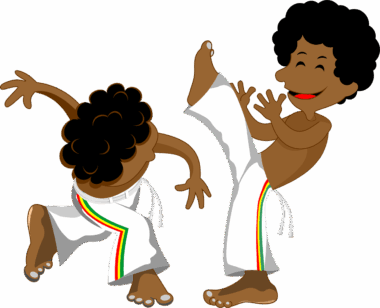
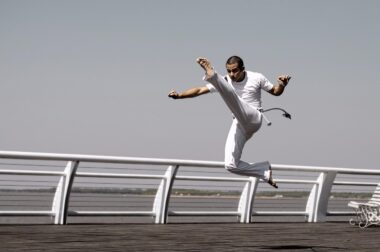
Capoeira training camps are unique environments where self-defense skills are taught through dynamic martial arts. These camps integrate physical exercise with cultural learning, creating an enriching experience for attendees. Originating from Brazil, Capoeira combines dance, acrobatics, and music, making it both an effective and enjoyable form of self-defense training. Participants immerse themselves in a vibrant community, practicing their techniques in a supportive setting. Training usually includes various elements such as kicks and evasive movements, allowing practitioners to develop agility and flexibility. By attending a Capoeira camp, individuals not only enhance their self-defense skills but also foster friendships and cultural appreciation. Experienced instructors lead the workshops, providing personalized feedback and guidance. This blend of physical and cultural elements sets Capoeira apart from traditional martial arts. Students are encouraged to explore their capabilities while respecting the art’s rich heritage. Overall, these camps empower individuals, building confidence and resilience while equipping them with practical self-defense techniques. The environment at training camps promotes mental strength, camaraderie, discipline, and respect. In the end, participants walk away with invaluable skills and memories that last a lifetime.
Capoeira incorporates a variety of techniques that are essential for effective self-defense. The art form teaches students to utilize their surroundings creatively, leveraging the environment to their advantage. Practitioners learn to adapt agile movements while countering threats, which aids in developing instinctive reactions. Moreover, confidence plays a vital role in self-defense scenarios, and Capoeira empowers practitioners to cultivate this vital trait. Engaging with fellow students during sessions helps enhance social skills, promoting a sense of belonging and teamwork. The rhythm and music of Capoeira create an enjoyable atmosphere that makes learning feel less like a chore and more like a celebration. Participants often find themselves engrossed in the culture as they explore regional variations of the art. Each technique learned can become a vital tool when faced with adversity. Furthermore, the training often involves simulations of real-life situations. This practical application helps individuals internalize the skills acquired through practice. Such preparation can make all the difference when facing a potential threat. Alongside personal growth, these training camps instill a sense of responsibility and empowerment within practitioners, ultimately transforming them into more aware and proactive individuals in various aspects of life.
Benefits of Capoeira for Self-Defense
Capoeira training camps offer numerous benefits beyond just learning self-defense techniques. These camps enhance physical fitness, offering a comprehensive workout that improves cardiovascular health, strength, flexibility, and coordination. Engaging in Capoeira movements tones the body while increasing stamina, making practitioners more resilient both physically and mentally. Another significant aspect of Capoeira is its emphasis on community. Students form bonds that foster support and encouragement throughout their training journey. This camaraderie creates a positive energy that motivates participants to push their limits. Additionally, Capoeira emphasizes respect for one another, ensuring a safe training environment where everyone feels valued. Mental agility is also developed, equipping students with quick reflexes and sharper decision-making skills. Practicing Capoeira can sharpen focus through learning sequences and routines. The creativity embedded in Capoeira helps practitioners think outside the box. It nurtures problem-solving abilities under pressure, which is a valuable skill not only in self-defense scenarios but also in everyday life. The holistic development fostered by Capoeira creates well-rounded individuals who can face challenges with confidence, clarity, and resilience.
Capoeira’s cultural foundation is another intriguing aspect that enriches the training experience. Participants not only learn techniques but also delve into the historical context of Capoeira. This cultural immersion fosters a deeper appreciation for the art form and its significance within Brazilian heritage. In training camps, students often engage in discussions about Capoeira’s evolution and its birthplace in Brazil. This educational element cultivates respect for the traditions and values embedded within the art. Learning Capoeira also involves understanding the music and songs that accompany the movements. This aspect adds an extra layer of engagement, making classes more lively and enjoyable. Additionally, students often explore different instruments, such as the berimbau and atabaque, creating a holistic environment. This combination of physical activity, culture, and music enhances the overall learning experience, ensuring that participants walk away with more than just self-defense skills. The immersive nature of these camps promotes a long-lasting love for Capoeira as an art. Moreover, students can reflect on their growth and share their experiences, creating lasting connections within the Capoeira community.
Choosing the Right Capoeira Camp
When selecting a Capoeira training camp, consider various factors to ensure a fulfilling experience. Firstly, research the instructors leading the camp; their expertise and teaching style are crucial to your growth. Look for experienced practitioners who can provide effective feedback and create a supportive learning environment. Additionally, consider the camp’s location and duration, as these elements play a role in your overall experience. Some camps may offer weekend-intensive courses, while others provide duration spanning several weeks, allowing for greater immersion. You may also want to evaluate the camp’s curriculum to ensure it aligns with your self-defense goals. Understanding the daily schedule gives insight into training intensity and focus areas, whether you desire to improve your fitness, techniques, or cultural knowledge. Moreover, reach out to former attendees for testimonials and feedback. This can provide valuable insights into the camp’s atmosphere and the quality of instruction. Finally, ensure that the camp promotes inclusivity and respect among participants, which enhances the overall experience and fosters a sense of community. Making an informed choice will assist you in selecting a camp that suits your needs and aspirations.
The cost of attending a Capoeira camp varies widely depending on location, duration, and amenities offered. While some camps may be more affordable, others might include additional services like accommodation or meals. It is essential to budget accordingly to ensure you choose a camp that meets your financial expectations without compromising on learning quality. Often, investing in a reputable capoeira training camp pays off significantly through the skills and connections developed during the process. Many camps also offer financial aid or scholarships based on merit or need, making this art form accessible to a broader audience. Additionally, consider the value you are getting from the various training aspects included in the camp. Look for programs that emphasize hands-on learning, hands-on experience, and exposure to techniques. Supplementary activities, such as cultural workshops or performances, can enhance the overall experience, adding to your enjoyment and learning. Furthermore, look for reviews from credible sources to gauge the effectiveness of a camp before making a decision. Evaluating costs, the range of offerings, and overall reputation will help you make a wise choice for your training journey.
Conclusion: Embrace the Capoeira Journey
Embracing the Capoeira journey at a training camp can lead to a transformative experience. The combination of physical training, cultural education, and community engagement truly sets these camps apart from traditional self-defense programs. As practitioners learn Capoeira, they undergo significant personal development. This art encourages resilience, adaptability, and creativity in everyday life. By immersing themselves in this cultural practice, students also gain insights into Brazilian traditions, enhancing their appreciation for diverse backgrounds. It’s vital to approach this journey with an open mind and heart, allowing yourself to grow and connect with fellow participants. Capoeira encourages individuals to explore their physical limits while developing mental strength. Students also learn the value of respect and collaboration. Upon completing a camp, participants often discover a newfound sense of confidence, empowering them to face challenges on and off the mat. Whether you’re pursuing self-defense skills or seeking personal growth, Capoeira can provide the perfect balance of fun and fulfillment. In conclusion, participating in Capoeira training camps cultivates not only skilled martial artists but also compassionate individuals, fostering unity and resilience in an ever-changing world.
Capoeira training camps are unique environments where self-defense skills are taught through dynamic martial arts. These camps integrate physical exercise with cultural learning, creating an enriching experience for attendees. Originating from Brazil, Capoeira combines dance, acrobatics, and music, making it both an effective and enjoyable form of self-defense training. Participants immerse themselves in a vibrant community, practicing their techniques in a supportive setting. Training usually includes various elements such as kicks and evasive movements, allowing practitioners to develop agility and flexibility. By attending a Capoeira camp, individuals not only enhance their self-defense skills but also foster friendships and cultural appreciation. Experienced instructors lead the workshops, providing personalized feedback and guidance. This blend of physical and cultural elements sets Capoeira apart from traditional martial arts. Students are encouraged to explore their capabilities while respecting the art’s rich heritage. Overall, these camps empower individuals, building confidence and resilience while equipping them with practical self-defense techniques. The environment at training camps promotes mental strength, camaraderie, discipline, and respect. In the end, participants walk away with invaluable skills and memories that last a lifetime.