
Common Mistakes in CrossFit Olympic Lifting and How to Fix Them
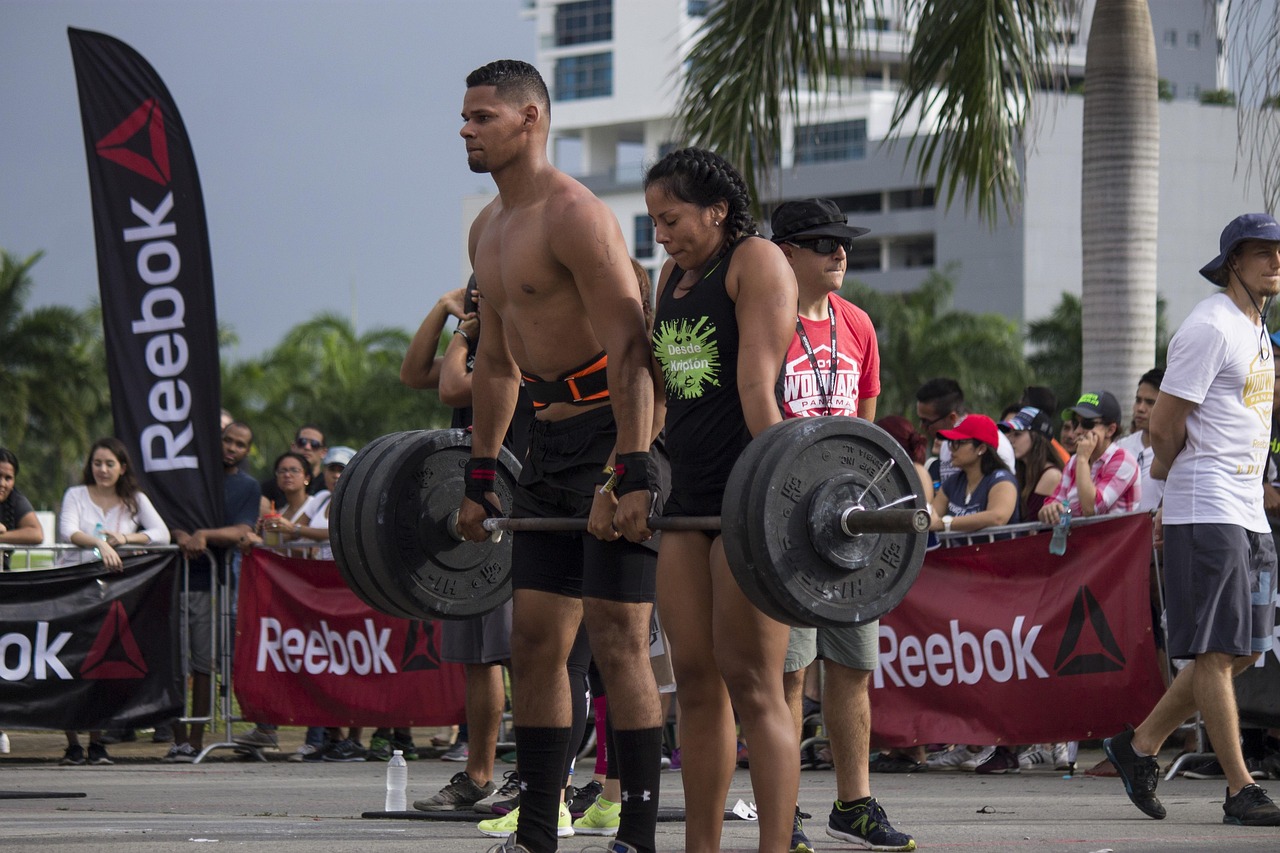
CrossFit Olympic lifting is a challenging yet rewarding discipline. Many athletes, however, fall prey to common mistakes that can hinder their progress and increase injury risk. The importance of proper technique cannot be overstated, as effective movements can lead to significant gains in strength and efficiency. Commonly, lifters may struggle with improper grip, which affects overall lifting performance. A poor grip leads to a lack of control over the bar, resulting in less power and stability. Lifters should focus on using a hook grip, which helps to enhance grip strength, thus allowing for a more efficient lift. Additionally, many athletes neglect the importance of their foot positioning. Incorrect foot stance can impede mobility, thereby limiting effectiveness and creating unnecessary strain. Mastering foot placement allows for optimal movement patterns. To improve performance, spend time developing an understanding of these basic principles. Dedicated practice sessions focused on grip and foot placement can drastically enhance lifting proficiency while also reducing injury risks associated with poor form. Progress in these areas translates into better overall performance in the CrossFit arena.
Another prevalent mistake in Olympic lifting is failing to engage the core. Lifters often overlook this crucial aspect, leading to instability during lifts. A strong core acts as a stabilizer, supporting the spine and transferring force efficiently throughout the body. Athletes should incorporate core-strengthening exercises, such as planks and hollow body holds, into their training regimen. This practice will improve not only lifting performance but also overall athleticism. Furthermore, a lack of flexibility can greatly hinder lift execution. Many individuals struggle with adequate range of motion due to tight muscles. To combat this, implementing a robust stretching and mobility routine can prove invaluable. Foam rolling and dynamic stretches prior to workouts helps to alleviate tightness and enhance performance. Furthermore, lifters must pay attention to their bar path during lifts. A common error is allowing the bar to travel too far away from the body during the lift, increasing the difficulty and leading to potential injury. Practicing with a mirror or video can assist in identifying and correcting this issue. Emphasizing proper body mechanics allows for a smoother and safer lifting experience.
Understanding Lifting Stages
Cultivating a solid understanding of the different stages of lifting can also aid in averting mistakes. Olympic lifts typically consist of the pull, transition, and receiving phases. Many beginners struggle with transitioning between these stages, which ultimately affects their overall lift. Understanding how to maintain tension throughout all three phases ensures continuous momentum, reducing the likelihood of technical errors. Athletes should focus on maintaining a smooth transition from the pull phase to receiving the bar. This requires diligent practice and patience. Engaging with a coach or attending workshops can facilitate learning proper technique during these transitions, leading to improved functionality. Another critical component of Olympic lifting performance is mastering the overhead squat. Often, athletes lack the requisite mobility to achieve full depth. This not only affects their lift but can lead to injury if not corrected. Integrating specific drills to improve squat depth and stability will result in better overhead positioning and overall lifting ability. Furthermore, practicing overhead squats regularly will build necessary muscle strength and coordination, ensuring athletes improve their Olympic lifting technique consistently.
Another common oversight occurs with respect to timing during lifts. Many individuals rush through their lifting series, resulting in poor technique and execution. It is essential to develop a rhythm and pace, allowing the lifter to find their optimal lifting speed. Consequently, incorporating tempo work into training can effectively teach lifters to focus on maintaining proper positions throughout the lifting motion. Training with lighter weights while focusing on form sets a foundation for lifting heavier loads. Consistency and attention to timing will lead to significant improvements in overall performance. Furthermore, peer feedback can be beneficial when striving to correct mistakes in Olympic lifting. Observing and discussing lifts with fellow athletes can reveal personal blind spots. Coaches provide essential insights into form, while companions can highlight areas where improvements can be made. Record your lifts and analyze them regularly; this helps recognize patterns that need addressing. By actively seeking external feedback, lifters can refine their technique further. Investing time in assessing both technique and feedback will yield substantial progress in Olympic lifting while avoiding recurrent mistakes.
Utilizing Strength Training Principles
Utilizing appropriate strength training principles will greatly enhance Olympic lifting proficiency. Compound lifts, such as squats, deadlifts, and bench presses, help establish a solid strength foundation. These patterns directly correlate with Olympic lifting performance, as they improve overall functional strength. Additionally, including Olympic lifting variations, such as hang cleans or snatches, enables athletes to practice explosiveness and technique simultaneously. Furthermore, budgeting ample time for recovery is essential. Many lifters overlook the importance of recovery, often dedicating too much time to intense training sessions. Ensuring adequate recovery speeds up muscle repair and can improve performance as a result. Incorporating rest days, foam rolling, and proper nutrition can significantly boost recovery speeds. Lifters should understand the optimal balance between training and recovery to maximize effectiveness. Moreover, mental preparation is frequently underestimated in Olympic lifting. Developing a strong mental approach can enhance focus and self-confidence during lifts. Visualization techniques and setting realistic goals will bolster a lifter’s mindset, providing motivation and clarity in their training. Mastering physical and mental aspects ensures better performance overall.
Lastly, reviewing your nutrition can have a profound impact on Olympic lifting performance. Athletes need to fuel their bodies adequately to recover from intense training sessions. A balanced diet, rich in proteins, carbohydrates, and healthy fats, allows for optimal muscle growth and recovery. Furthermore, hydration is crucial for maintaining performance levels during workouts. Dehydration can lead to fatigue, decreased performance, and increased injury risk. Ensuring you stay hydrated throughout the day is vital for peak performance. Additionally, seeking advice from a registered dietitian can be beneficial in crafting a personalized nutrition plan that suits specific goals and nutritional needs. Lastly, maintaining an active lifestyle outside of the gym can contribute to overall fitness levels, enhancing performance. Engaging in activities such as yoga, swimming, or hiking promotes recovery and flexibility. Fostering holistic wellness helps collegiate athletes thrive in CrossFit settings while minimizing the risk of injuries. By integrating these various aspects of nutrition, hydration, and overall fitness, lifters can significantly enhance their Olympic lifting results.
Final Thoughts
In conclusion, addressing the common mistakes in CrossFit Olympic lifting is essential for any athlete dedicated to improving their performance. By focusing on techniques related to grip, core engagement, flexibility, timing, and nutrition, individuals can prevent injuries and enhance overall strength. Lifters should prioritize honing their skills and understanding the elements that contribute to successful lifting. Regular practice under the guidance of knowledgeable coaches, along with an active support system, ensures continual improvement. Lifters must remain patient and committed to their journey, remembering that mastery takes time and dedication. Cultivating a strong foundation through proper technique will ultimately lead to impressive gains in performance. Athletes are encouraged to remain open-minded about constructive criticism and embrace new methods of training to improve deficiencies. By adopting a pro-active approach to learning and skill adaptation, athletes can pave the way for a brighter future in the realm of CrossFit Olympic lifting. Strive for excellence, keeping in mind that the road to greatness is often filled with challenges. Progress comes with persistence and practice; therefore, athletes should continually refine their techniques as they strive for higher achievements.
Focusing on these strategies establishes a clearer path to Olympic lifting success. To summarize, countless techniques can significantly improve execution and result positively in performance metrics. Understanding mistakes, correcting form, and embracing feedback are monumental elements in the journey toward success. Lifters should consistently work to cultivate a mindset of growth and resilience to overcome challenges; this mentality is essential in the fiercely competitive environment of CrossFit. Individuals can rely on a range of supportive resources to foster their improvement, including coaching staff, nurturing camaraderie, and available online materials. The dedicated pursuit of excellence is what sets successful athletes apart from the rest. Experience will reinforce understanding, naturally refining skills over time. Lifters must commit to a holistic approach that encompasses physical, mental, and nutritional elements to ensure a comprehensive training program. Moreover, celebrating milestones, whether big or small, reinforces motivation and provides encouragement on this arduous journey. Stay informed and adaptable, allowing for continual learning and adjustment. By doing so, athletes can maximize their potential, elevate their training, and become more successful in their CrossFit Olympic lifting endeavors.