
Effective Home Exercises for Stronger Legs and Glutes
Home workouts have become increasingly popular as people seek ways to maintain their fitness without going to a gym. Among various exercise routines, lower body workouts are essential in achieving well-toned legs and firm glutes. Engaging in these exercises regularly not only builds strength but also improves overall stability and posture. Incorporating exercises such as squats, lunges, and bridge variations can be both effective and convenient. The best part is that you don’t need any fancy equipment to get started. Bodyweight movements provide enough resistance to stimulate muscle growth and endurance. By focusing on your form and gradually increasing repetitions, you can challenge your muscles effectively. Additionally, working out at home eliminates the intimidation factor some face in a gym environment. Finding a workout schedule that fits your lifestyle is crucial for success. Aim to dedicate specific days each week to lower body training, allowing your muscles time to recover. The benefits of consistent practice will soon become apparent, leading to stronger legs and glutes that support daily activities and enhance athletic performance.
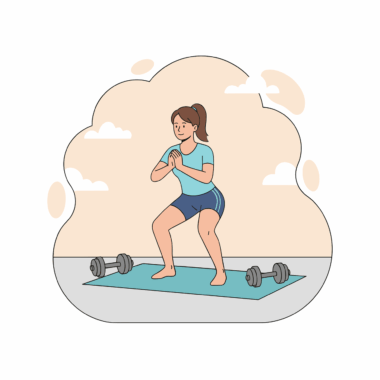
To kickstart your home lower body workout routine, it’s essential to warm up effectively. A good warm-up session prepares your muscles for the exercises ahead and can reduce your risk of injury. Consider doing dynamic stretches and light cardio for five to ten minutes before you start your main workout. Examples include leg swings, high knees, and butt kicks. These movements increase blood flow and enhance flexibility, preparing your body for action. After warming up, you can begin with foundational exercises, like squats. Squats engage multiple muscle groups, including the quadriceps and glutes. Incorporating variations, such as sumo squats or jump squats, can help target muscles differently and keep your routine fresh. Lunges are also excellent, providing a great way to work on balance while strengthening your legs and glutes. Introduce them into your routine with forward lunges or reverse lunges. Aim for three sets of 10-15 repetitions for each exercise, ensuring to control your movements for maximum effectiveness. Cooling down with stretching is equally important to maintain flexibility and reduce soreness.
Essential Exercises for Strong Legs
Another effective lower body exercise to incorporate is the glute bridge, which specifically targets your buttocks while engaging your hamstrings and lower back. To perform this exercise, lie on your back with your knees bent, feet flat on the ground, and shoulder-width apart. Press through your heels, lift your hips off the ground, and squeeze your glutes at the top of the movement. Hold for a second before lowering back down. This exercise not only strengthens your glutes but also aids in improving your core stability. To increase difficulty, consider elevating your feet or adding a weight across your hips. Don’t overlook the importance of variety; mixing in resistance bands can provide further progression and intensity to your workout. Try lateral band walks or single-leg bridges to promote muscle engagement. Adding these modifications into your normal routine helps you stay motivated and continuously improves your strength. Additionally, considering your nutrition and hydration is vital for supporting your workout regime. Consuming a balanced diet rich in protein and healthy carbohydrates fuels your body for optimal performance.
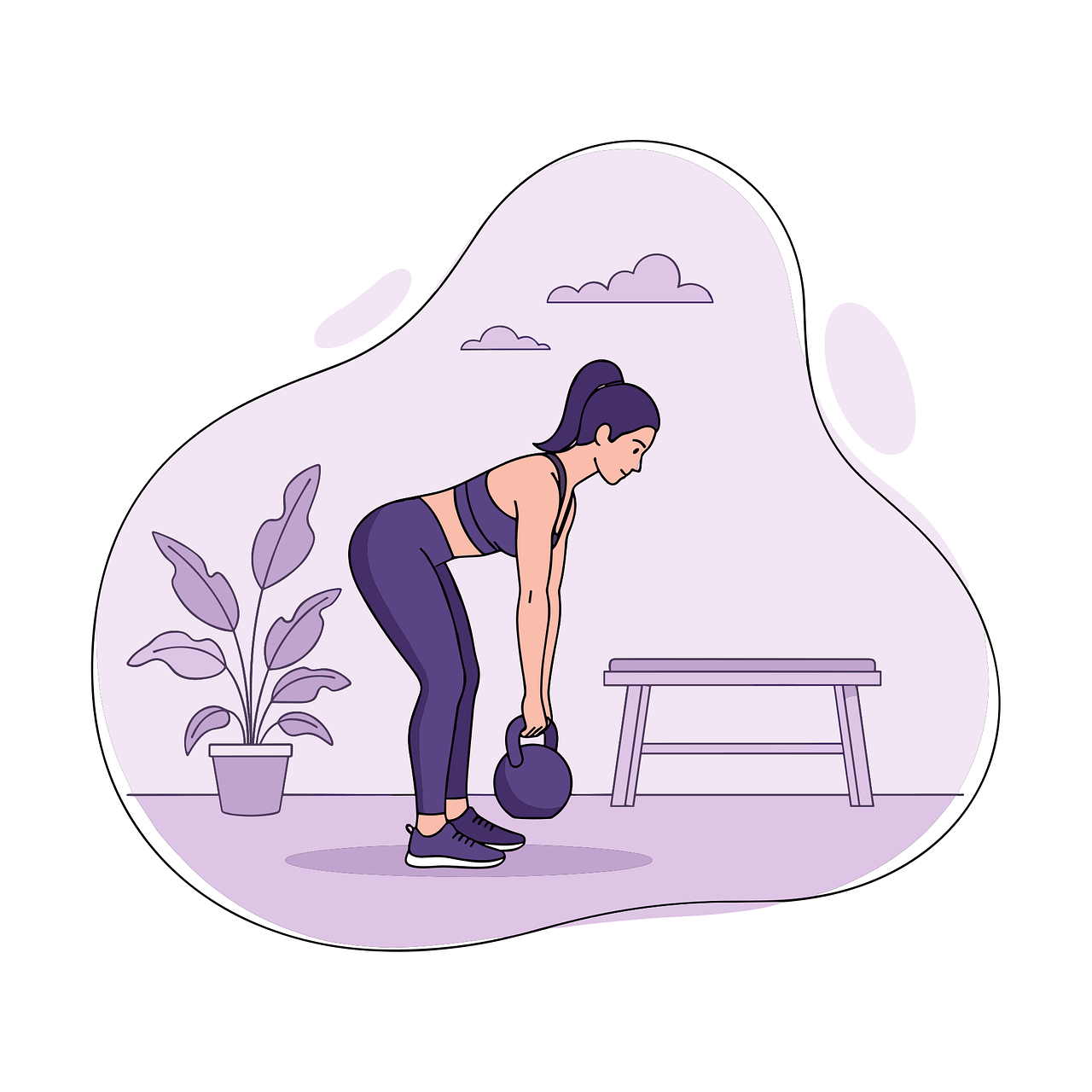
As you progress, creating workout sessions that challenge your lower body can lead to significant strength gains. This might involve increasing the number of repetitions or sets or integrating more complex movements that combine different exercises. A solid example is the Bulgarian split squat, which incorporates balance and strength. To perform this move, rest one foot on a bench or elevated surface behind you, while you lower into a squat. This puts more focus on your front leg while also engaging your glutes, providing a comprehensive challenge. For added challenge, try incorporating weights or kettlebells. Flexibility is equally essential; consider adding yoga or dedicated stretching sessions to improve your overall range of motion. Allowing your body to recover properly will enhance your performance and reduce the risk of injury. Tracking your progress is also a good idea; note your repetitions, how you feel during workouts, and any modifications you intend to implement. Subsequently, these records will help tailor your routine for better results. Incorporating more bodyweight exercises can be another tool for improvement, ensuring you continue to challenge your muscles.
Building Endurance and Strength
Endurance training can play a crucial role in making your legs and glutes stronger. It ensures that these muscles sustain effort for longer periods. Integrated workouts consisting of lower body exercises with minimal rest sets the tone for building stamina. Circuit training is an effective way to accomplish this; pick a variety of movements and perform them one after the other, allowing only short breaks in between. You can seamlessly blend exercises like squats, lunges, and glute bridges into a circuit. Not only does this enhance your endurance, but it keeps your heart rate up, providing an added cardiovascular benefit. Jumping into plyometric movements, such as jump squats or alternating lunges, elevates your heart rate further while increasing muscular power. Those looking to maintain their interest will find that alternating between strength and high-intensity cardio days can be invigorating. As you grow more comfortable with your lower body workouts, tracking how often you can achieve these variations helps keep your workout regime interesting. Consistency with endurance and strength training leads to noticeably toned legs and glutes.
Recovering from your workouts is just as vital as the exercises you perform. Make it a point to incorporate rest days into your schedule, allowing your muscles to rebuild and grow. Ignoring rest can lead to fatigue and diminish your workout gains. On recovery days, try gentle activities like walking, yoga, or foam rolling to aid in muscle recovery. A proper cooldown routine, including static stretching, is essential to maintain flexibility and relieve tension in your muscles. Consider focusing on your quads, hamstrings, glutes, and calves, ensuring each muscle group receives attention. Nutrition is also pivotal during recovery, with the body requiring additional protein and nutrients post-workout to assist in muscle repair. Staying hydrated will support your recovery efforts; aim to drink plenty of water throughout your training days. Keeping a balanced approach towards your workouts and recovery lies at the heart of building a stronger foundation in your lower body. For those serious about achieving their fitness goals, tracking your meals combined with your workouts can prove useful in offering insight into your performance
Creating a Sustainable Workout Routine
Finally, it’s essential to create a sustainable workout plan that fits your lifestyle and preferences. Assessing your schedule and pinpointing when you can dedicate time to these workouts will be crucial. Consistency is not only about frequency but also about maintaining motivation. Choose a setup that excites you; include exercises and variations that you look forward to performing. Consider pairing your workout sessions with music or podcasts that inspire you to stay engaged. Joining an online community for accountability can also significantly improve your commitment. Finding friends or groups that share similar fitness goals motivates you to show up more consistently. Keep in mind that progression comes over time; do not rush the process. Focus instead on celebrating small victories. Establishing realistic goals can help you marked accomplishments that keep your morale high. Make use of progress photos or tracking sheets to visualize your growth—this can serve as encouragement and remind you of how far you’ve come. Embrace the journey towards healthier legs and glutes, understanding that persistence will lay the foundation for lasting results.
In conclusion, building stronger legs and glutes through effective home workouts is not only achievable but immensely rewarding. By incorporating a variety of exercises, training modalities, and recovery strategies, you can create a robust routine that supports your fitness goals. Progressing through your workouts is a journey that requires patience and dedication. By utilizing bodyweight exercises, resistance tools, and maintaining proper form, you enhance your overall performance significantly. Consistency in your training schedule, alongside mindful attention to your nutrition, hydration, and recovery, will ultimately yield the best outcomes. Remember, the key lies in finding joy in your workouts and developing a routine that you can maintain for the long haul. Celebrate your achievements, regardless of their size, and allow them to fuel your motivation to continue. Stronger legs and glutes not only contribute to improved athletic performance but also enhance daily life functionality, allowing you to enjoy activities with vigor and confidence. So get started today, and let your journey toward a healthier and fitter lower body begin.