
Exercise and Inflammation in the Elderly
As individuals age, various physiological changes occur that can affect their overall health. One critical aspect is the increase in inflammatory markers, which can lead to chronic conditions. Regular exercise is believed to mitigate these effects significantly. In elderly populations, low-grade inflammation has been associated with many age-related diseases, including diabetes, arthritis, and cardiovascular issues. Engaging in consistent physical activity helps reduce these inflammatory markers through several mechanisms. These include the modulation of immune responses, increased muscle mass, and improved metabolic health. Inflammation can disrupt normal body functions and result in severe health complications, making understanding the relationship between exercise and inflammation vital for seniors. Recent research highlights how participating in aerobic, resistance, and flexibility training can positively influence inflammatory markers such as C-reactive protein (CRP) and interleukin-6 (IL-6). Therefore, by incorporating exercise into their daily routines, elderly individuals can enhance their quality of life while reducing chronic disease risks. Promoting physical activity in this demographic is essential for fostering longer, healthier lives in our aging population. In summary, exercise serves as a powerful tool in combating inflammation.
During the aging process, sarcopenia becomes a significant concern, characterized by the progressive loss of muscle mass and function. This is often coupled with increased levels of inflammatory markers, which can further exacerbate muscle decline. Engaging in structured exercise regimens, inclusive of resistance training, has shown promise in combating sarcopenia and its consequences. Studies indicate that elderly individuals who partake in strength training experience improvements in muscle strength and mass, thereby effectively lowering inflammatory markers as well. Furthermore, engaging in regular workouts can help enhance hormonal balance, promoting anabolic processes crucial for muscle maintenance. Resistance training not only builds muscle but also positively influences metabolic pathways, contributing to the overall reduction of systemic inflammation. As inflammation is now recognized as a risk factor for various age-related diseases, focusing on strength-based exercise becomes increasingly important. Additionally, achieving an appropriate exercise intensity tailored to individual fitness levels and capabilities often yields the best outcomes for managing both muscle health and inflammation. In conclusion, strength training serves as an invaluable ally in supporting elderly health through effective reduction of inflammation.
Types of Exercises Beneficial for Inflammation
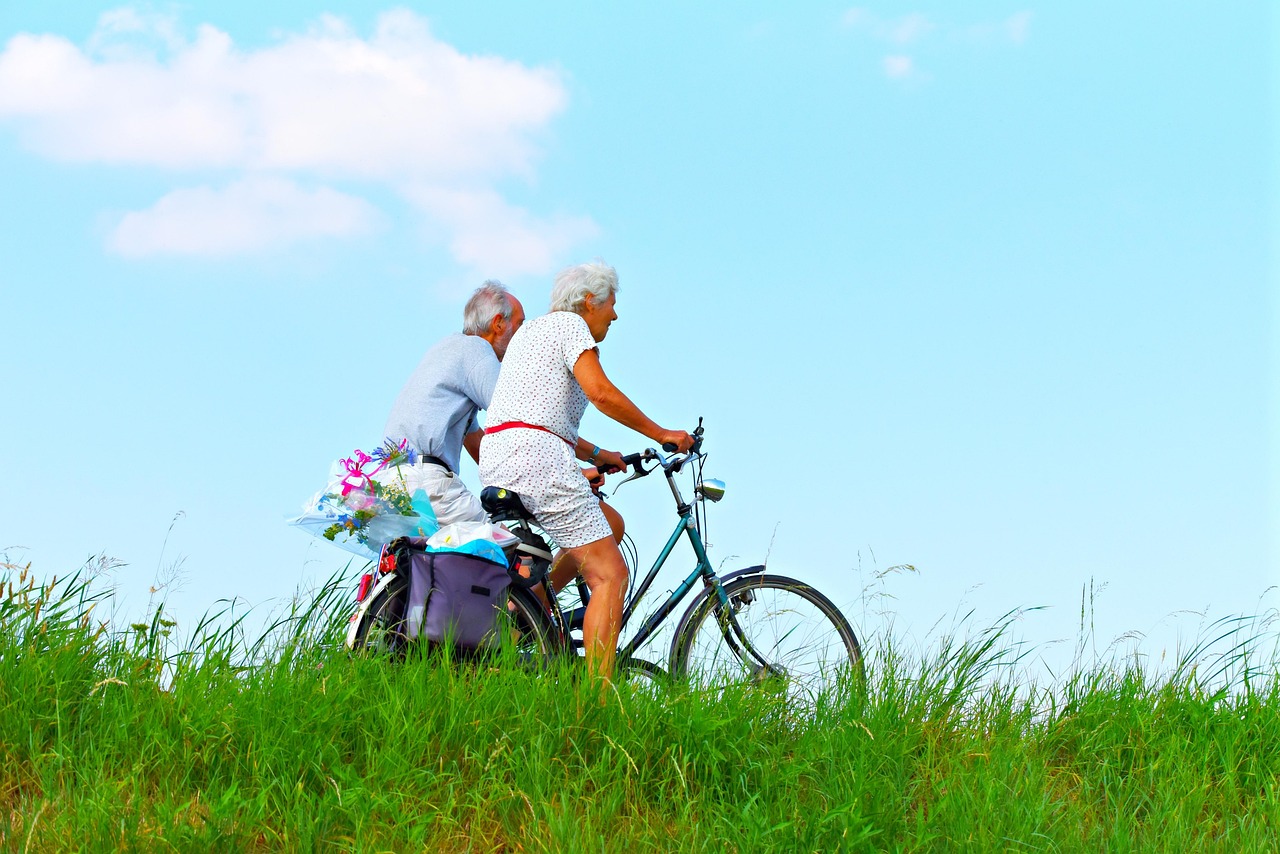
When it comes to addressing inflammation in elderly individuals, varying types of exercise have distinct benefits. Aerobic activities such as brisk walking, cycling, and swimming can enhance cardiovascular fitness and reduce inflammatory markers significantly. On the other hand, resistance exercises target muscle building and strength maintenance, vital in promoting better health outcomes. Incorporating flexibility and balance workouts help prevent falls, another significant risk among seniors. A combination of these exercises can provide a comprehensive strategy to combat inflammation while improving overall fitness. Recent studies indicate that engaging in moderate-intensity aerobic activities for at least 150 minutes weekly can drastically lower levels of inflammatory biomarkers. Complementing aerobic exercise with strength training two days a week can provide additional benefits. Furthermore, the inclusion of mind-body exercises, like yoga and tai chi, may enhance mental well-being and emotional health, further contributing to reduced inflammation. Utilizing a diversified exercise approach tailored to older adults ensures they reap the benefits of enhanced functionality, reduced chronic disease risk, and a balanced inflammatory response. Thus, integrating these varied types into routine health plans for seniors is indispensable.
Dietary influences play a crucial role in modulating inflammation levels in the elderly. Specific nutrients and dietary patterns can complement the effects of exercise, leading to more significant health improvements. Nutrient-rich foods such as fruits, vegetables, whole grains, healthy fats, and lean proteins have been linked to lower inflammation. In particular, omega-3 fatty acids found in fish, walnuts, and flaxseeds have shown the potential to decrease inflammatory markers effectively. Furthermore, adhering to dietary patterns like the Mediterranean diet may enhance the benefits of exercise by providing essential micronutrients and antioxidants. Reducing processed foods and sugars is equally important, as they are known to trigger inflammation. Appropriate hydration and timing of nutrient intake post-exercise can further amplify the benefits derived from physical activity, promoting effective recovery and adaptation. Encouraging elderly individuals to maintain a well-rounded diet alongside their exercise regimens is paramount for achieving optimal health outcomes. Hence, efforts to promote comprehensive nutritional support that partners with exercise programs can provide essential health benefits, fostering healthier aging. In essence, an integrative approach combining diet and exercise effectively reduces inflammation for older adults.
Potential Barriers to Exercise
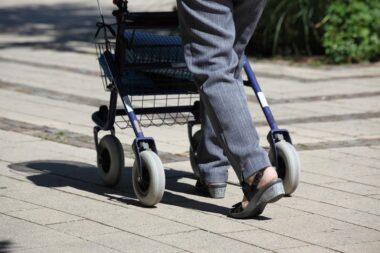
Despite the numerous benefits associated with exercise in reducing inflammation, various barriers prevent elderly populations from engaging in regular physical activity. Common obstacles include physical limitations, health conditions, and perceived risks such as injury or falls. Additionally, psychological factors like low motivation or depression can hinder consistent participation in exercise programs. Older adults may feel intimidated by their surroundings or unsure of how to perform exercises correctly, leading to a decline in self-efficacy. Furthermore, social isolation can impact their willingness to exercise, as having social support often influences adherence to fitness regimes. Addressing these barriers is crucial in promoting physical activity within elderly communities. Creating safe and accessible environments for exercise, along with educational programs that emphasize proper techniques and reduce fear, can significantly increase participation. Group fitness classes designed for seniors can help foster a sense of community and support, making it easier for individuals to stay active. Moreover, engaging family members in their exercise routines can boost motivation and ensure regular activity. As such, combatting these barriers is essential for maximizing the benefits of exercise and minimizing inflammation in elderly individuals.
Incorporating technology into exercise regimens for the elderly can prove advantageous in countering inflammation and promoting activity. Fitness tracking devices, smartphones, and online resources now offer innovative ways to enhance motivation and adherence to exercise programs. For example, wearable devices can help monitor physical activity levels, remind individuals to stay active, and provide feedback on progress. Mobile applications focusing on exercise routines specifically designed for seniors can offer tailored workouts accommodating various fitness levels. Furthermore, virtual classes can deliver guidance and encouragement from fitness professionals, making exercise accessible from home. These technological tools can contribute to a supportive environment that fosters accountability while encouraging community engagement. Additionally, online platforms enable social interaction between peers, enhancing motivation through shared experiences. Seniors can connect with others facing similar challenges, overcoming feelings of isolation. As technology continues to advance, incorporating it into exercise plans for the elderly presents unique opportunities to promote an increase in activity levels and effectively combat inflammation. In summary, leveraging technology can aid in enhancing overall well-being in older adults, making a positive impact on their health by lowering inflammatory responses.
Conclusion: The Future of Exercise and Inflammation Research
Exercise physiology remains a vital area of research, particularly regarding its impact on inflammation in elderly individuals. Continued investigation into how different types and intensities of exercise influence inflammatory markers is essential. Future studies should explore the role of personalized exercise plans and the interaction between nutrition, exercise, and inflammation. This includes looking at optimal frequency and duration of various exercise formats suited for seniors while considering individual health profiles and preferences. Furthermore, examining psychosocial factors contributing to adherence to exercise regimens can provide deeper insights into overcoming barriers. With aging populations continuously growing, understanding the “why” and “how” behind effective inflammation management will pave the way for more tailored interventions. It will be critical to disseminate findings effectively to broader audiences, including healthcare professionals and caregivers. Promoting research-based knowledge empowers older adults to engage positively with exercise, optimizing their inflammatory response and overall health outcomes. Ultimately, collaborative efforts among researchers, healthcare providers, and communities will be essential in fostering healthy aging through exercise while minimizing the adverse effects of inflammation.
Regular monitoring and education can also support these initiatives. Health professionals play a pivotal role in guiding older adults toward adopting exercise routines effective in minimizing inflammation. By providing evidence-based advice, they can help dispel myths and reduce fears surrounding exercise. Institutions and organizations should collaborate to create programs that bring awareness to the elderly population regarding the health benefits related to exercise, particularly with respect to inflammation. Such programs could incorporate informative workshops, community classes, and support groups focusing on shared experiences and struggles. Informational resources, including pamphlets, websites, or social media, can be leveraged to increase awareness and motivation to engage in physical activity. Additionally, addressing costs associated with exercise, such as gym memberships or the financial burden of acquiring equipment, is crucial in increasing accessibility. By fostering an environment that encourages physical activity, alongside adequate support systems tailored for seniors, we can ensure people can age with grace while minimizing inflammatory responses. This approach represents a conscientious path to wellness and a fulfilling life for elderly individuals, highlighting the transformative power of exercise and healthy choices.