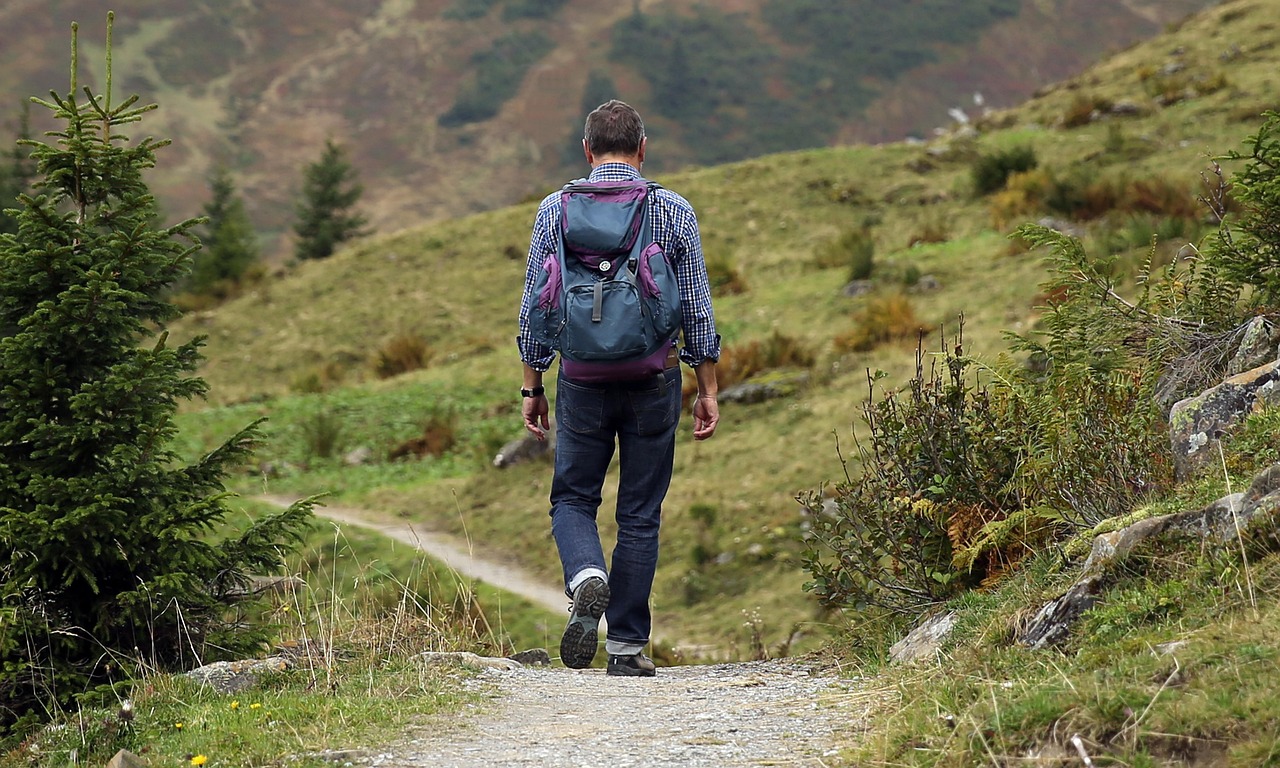

Hiking as a Method to Combat Stress and Boost Mental Health
Hiking is increasingly recognized as an effective method for reducing stress and enhancing mental health. Being immersed in nature while walking on trails can significantly benefit both your body and mind. Studies have shown that spending time outdoors lowers stress levels and can lead to increased happiness. Engaging in this physical activity helps to promote the release of endorphins, also known as the “feel-good” hormones, which positively influence your mood. These endorphins interact with the receptors in your brain, promoting an overall sense of well-being. Additionally, the rhythmic nature of hiking helps to calm your mind, improving focus and clarity. Being in a natural setting allows you to disconnect from daily pressures, providing a sense of peace. Furthermore, hikers often report greater feelings of accomplishment and self-confidence after conquering a challenging hike. Therefore, incorporating hikes into your routine can serve as a beneficial tool in managing stress. Embracing this form of exercise is not only good for physical health but also makes a significant difference in mental well-being. Finding local trails can open doors to this effective stress-relieving strategy for everyone.
The Psychological Benefits of Hiking
Mental health impacts every aspect of our lives, and adopting outdoor activities like hiking can uplift spirits and improve outlooks. Regular exposure to nature has been scientifically linked to reduced anxiety and depression symptoms. When hiking, one can enjoy breathtaking views, fresh air, and the calming sounds of nature, which can serve as powerful mood boosters. This specific activity encourages mindfulness, allowing individuals to disconnect from technology, fostering a deeper appreciation for their surroundings. As hikers focus on their steps and surroundings, they often find a soothing escape from life’s chaos. Nature places individuals in a different mindset where stressors fade away, providing tranquility. Researchers suggest that being around trees and greenery can lower cortisol levels, a hormone associated with stress. Moreover, the social aspect of hiking can enhance one’s support system. Joining hiking groups encourages relationships that nurture emotional resilience. Participating in shared outdoor experiences can foster feelings of camaraderie and connection. Such interactions contribute to improved mood and perspective. Thus, the psychological benefits of hiking extend far beyond the trail and impact correlations in mental health positively.
Physical activity, including hiking, not only improves mental health but also enhances emotional resilience. Engaging in regular hikes fosters a healthy routine that strengthens both body and mind. Exercise promotes better sleep quality, which is crucial for maintaining mental sharpness and emotional stability. In fact, those who engage in outdoor activities often report feeling more energized and efficient. As you hike, your body engages in cardiovascular activity responsible for circulating oxygen-rich blood throughout your system. This activity improves physical fitness levels and also nourishes your mind. Regular hikers experience an increase in cognitive function, leading to improved mental clarity and decision-making. Furthermore, hiking can improve social skills by encouraging interactions with fellow outdoor enthusiasts. Whether hiking with friends or family, these shared experiences build trust and strengthen interpersonal relationships. Additionally, immersing oneself in nature can illicit creativity, as the varied landscapes stimulate visual senses. As inspiration flows, hikers often find that nature’s beauty ignites creative ideas and problem-solving capabilities. Therefore, hiking serves as a holistic approach to battling stress and improving emotional and mental health through physical and social engagement.
Connecting with Nature
The connection with nature plays a significant role in emotional and mental recovery. Nature has inherent therapeutic qualities; the calming aspects of natural settings can lower anxiety levels effectively. Studies highlight that spending time in nature allows individuals to feel more connected to the world around them. This sense of connection can provoke feelings of gratitude, awe, and reverence. Hiking enables individuals to witness environmental beauty firsthand, fostering a deeper bond with the earth. Being surrounded by trees, mountains, and rivers can facilitate contemplation and self-reflection, pushing individuals to think beyond immediate problems. This immersion aids individuals in recognizing the bigger picture, which can ease feelings of isolation. Additionally, the act of physically navigating through various terrains challenges individuals while simultaneously bringing pleasure. In the face of adversity such as a steep climb, hikers learn to trust their abilities. This promotes a sense of accomplishment and self-efficacy that counteracts negative thoughts. Overall, nature serves as a vessel for emotional healing and resilience, making hiking a valuable outlet for stress reduction and personal growth.
Preparation is key to a successful hiking experience aimed at stress reduction. Before embarking on a hike, it is crucial to understand the terrain, pack adequate supplies, and ensure proper gear. Having the right equipment will enhance safety and promote a more enjoyable experience. Lightweight backpacks, comfortable footwear, and weather-appropriate clothing are essential components of a well-planned outing. Additionally, bring necessary items like water, snacks, and a first-aid kit for any emergencies that may arise. Planning your hike allows for anticipation, which can augment the excitement and enjoyment. Furthermore, involving friends or family in these hiking adventures promotes companionship, further enhancing motivation and enjoyment. Creating a shared hiking schedule can lead to a consistent outdoor routine beneficial for mental health. Moreover, documenting your hikes through photos or journaling can serve as a personal record of accomplishments and reflections. Reflecting on how far you’ve come can uplift spirits during challenging times. Preparing for the hike aims to create an environment that minimizes stress and maximizes the positive impact on mental health and wellness.
Making Hiking a Regular Activity
Integrating hiking into your weekly routine can be incredibly beneficial for long-term mental health benefits. Consistency is key; starting with shorter hikes can build stamina and confidence. Gradually increasing the challenge level can maintain interest and excitement. It’s essential to explore various hiking trails to avoid monotony and discover new adventures. Each hike can provide unique benefits, helping to stimulate the mind as well as the body. Additionally, establishing a regular hiking group can further incentivize commitment and encourage accountability. Engaging with others who share similar interests fosters support and camaraderie, enhancing the overall experience. Planning group hikes on weekends can ensure everyone is on board. Joining local outdoor clubs or online forums can also be a source of motivation and social interaction. As the weather changes throughout the seasons, so will the scenery and the opportunities for new hiking experiences. Embracing the different characteristics of nature across seasons can add freshness to your routine. Ultimately, prioritizing hiking in your schedule assists in developing a holistic approach to stress management and mental well-being.
In conclusion, hiking is more than just a leisure activity; it is a powerful method for combating stress and fostering mental health. The numerous benefits of hiking offer both immediate and long-term relief from the pressures of everyday life. Engaging with the outdoors through hiking encourages a deeper connection to nature while promoting physical activity. Regular involvement can lead to substantial reductions in various stress levels, thanks to the release of endorphins and improved cognitive function. Additionally, the sense of accomplishment after a hike can instill confidence that transcends personal challenges. This holistic approach not only nourishes the mind but improves emotional well-being by connecting individuals with others and their surroundings. By understanding the importance of incorporating such activities into daily routines, individuals can ensure more frequent excursions into nature alongside family and friends. As you explore trails and encounter breathtaking views, remember the profound effects these moments can have on mental health. Embrace hiking as a tool for stress reduction and prioritize the maintenance of your mental well-being.
By adopting hiking as an essential component of your lifestyle, you are actively improving your mental health while combatting stress in innovative ways. As you embrace this outdoor activity, allow yourself the opportunity to connect with not only nature but also with your inner self. Recognize the importance of taking breaks to step away from the chaos and distractions of daily life. Hiking serves as a beautiful reminder of the simplicity and peace that nature can provide. In every step taken, there lies a promise of rejuvenation and restoration. So whether you are a seasoned hiker or just getting started, take this time to explore hiking’s benefits and create routines that enrich your life and mental well-being.