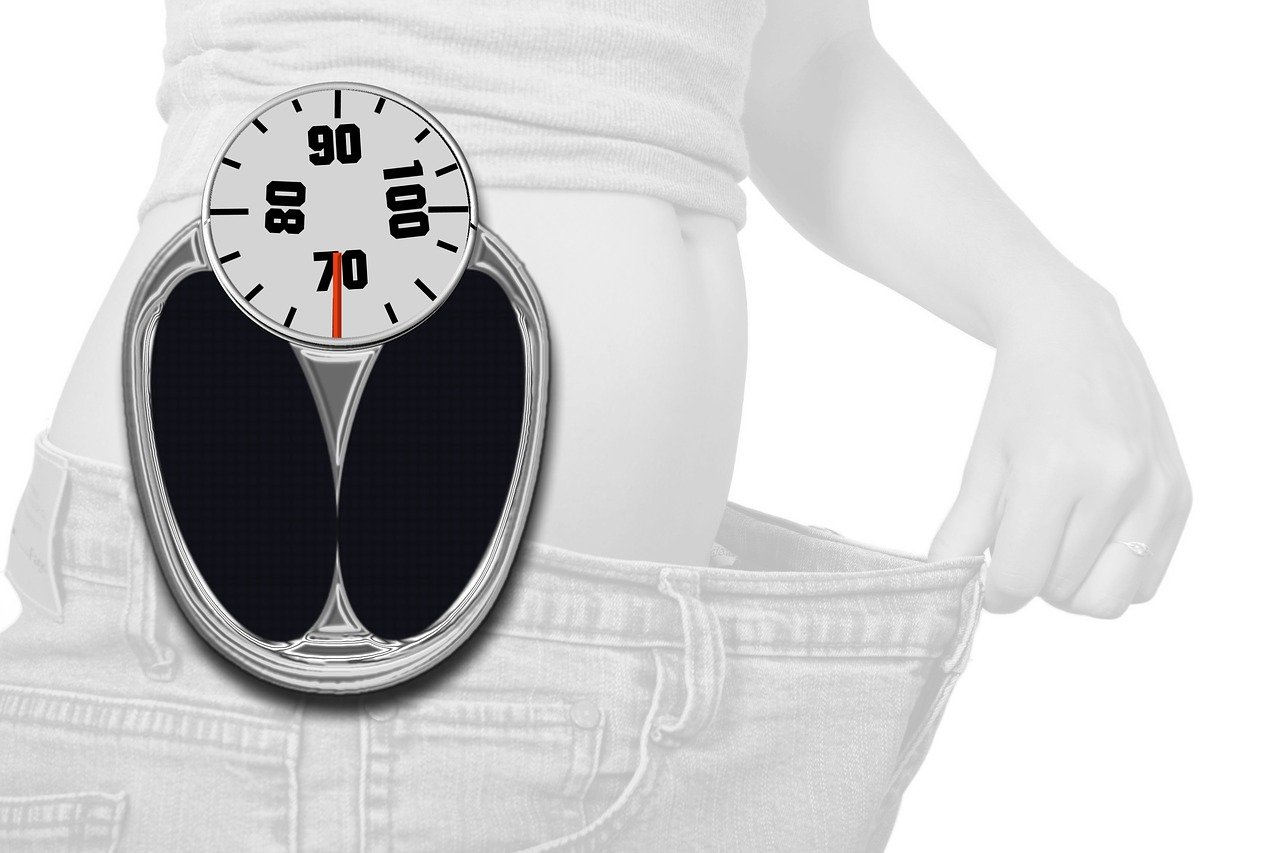

How Calories Affect Your Weight Loss Journey
Understanding how calories impact weight loss is crucial for anyone looking to shed extra pounds. Calories serve as units of energy that our bodies require to perform daily functions. Besides exercise, our basal metabolic rate accounts for a significant percentage of calories burned. To lose weight, one must create a caloric deficit, which occurs when calorie intake is lower than caloric expenditure. This relationship between calories and weight management is biologically significant. Complex factors influence individual responses to calorie consumption and expenditure, making it unique for everyone. It’s not solely about drastically cutting calories, as many unhealthy diets suggest. Instead, a balanced and nutritious approach ensures you receive essential nutrients while losing weight. Portions matter, and understanding serving sizes can provide greater control over calorie intake. The types of foods consumed also influence satiety levels; therefore, including fiber-rich and protein-dense foods can help curb hunger. Keep in mind that sustainable weight loss is a slow and steady process, encouraging healthy habits rather than quick fixes. Remember, accurate tracking of meals can reveal patterns that might assist in adjusting your eating habits for effective weight loss.
The Science Behind Caloric Needs
Determining your daily calorie requirements begins with understanding your personal needs. Factors such as age, gender, weight, height, and activity levels play an essential role. For instance, an athlete may need more calories than a sedentary office worker due to higher activity levels. Numerous online calculators can estimate your caloric needs, helping you assess a baseline. These calculators utilize equations that consider basal metabolic rate and physical activity level, generating a tailored estimation. Regular adjustment might be necessary as you lose weight or modify your workout routine. Moreover, adding weight lifting can increase your muscle mass, which elevates your resting metabolic rate. This means your body will then burn additional calories even at rest. Paying attention to your metabolic process enables fine-tuning over time. Additionally, arranging meals and snacks throughout the day can influence metabolic responses. Focusing on healthy, low-calorie density foods, while keeping an eye on calorie counts, benefits weight loss success. Gradual changes are often more sustainable than abrupt dietary shifts, allowing the body’s metabolism to adjust efficiently before committing to further reductions.
Incorporating calorie tracking can be beneficial to your weight management journey. By keeping a record of your daily food intake, you gain insights into portion sizes and food choices. Several apps and online tools available today make personal calorie counting easy and convenient. These tools allow you to log foods and calculate total calories quickly. Ensuring accuracy in tracking is key, as it minimizes the risk of underestimating caloric intake. Focus on sticking to realistic targets to avoid stress and disappointment. Discipline is important, but flexibility with treats or occasional indulgences can create a balanced approach. Even considering emotional eating is significant; recognizing triggers can help prevent overeating when faced with stress or anxiety. Moreover, meal prepping or planning helps stay within calorie limits without compromising on taste. Finding creative ways to enjoy low-calorie recipes can enhance satisfaction. Experiment with spices and herbs to add flavor without hefty calories. Always remember energy balance is essential for sustainable weight loss. Building healthy habits alongside accountability ensures long-term success, allowing you to celebrate milestones without sacrificing overall well-being.
Quality of Calories Over Quantity
Not all calories are created equal, and the quality of your food choices greatly influences weight loss outcomes. While keeping an eye on total caloric intake is essential, focusing on the nutritional value of what you eat is equally important. For instance, consuming 200 calories of whole fruits provides more satiety and essential nutrients than 200 calories from sugary snacks. Whole and minimally processed foods help satisfy hunger and provide vitamins and minerals crucial for health. Consuming balanced macronutrients plays a vital role too. An appropriate ratio of carbohydrates, proteins, and fats supports overall well-being, helping combat cravings. Integrating various colorful fruits and vegetables enhances your diet’s quality while promoting health. Prioritize whole grains over refined ones, as they often contain higher fiber content, keeping you fuller for longer. Foods with a high glycemic index can lead to rapid spikes in blood sugar levels, causing increased hunger later. Instead, focus on low glycemic index foods, like legumes and whole grains. Properly managing food choices empowers you on your weight loss journey while simultaneously improving overall health.
Developing a mindful eating practice can create a significant impact during a weight loss journey. By paying attention to your eating habits, you can identify patterns and triggers that lead to overeating or unhealthy choices. Take the time to enjoy your meals and listen to your body’s hunger cues. Setting aside distractions like screens while eating fosters better awareness of portion sizes and flavors. Mindful eating encourages you to appreciate each bite, which may lead to increased satisfaction with smaller portions. It’s also important to avoid eating in response to emotional factors; instead, learn healthier coping strategies for stress. Incorporating mindful practices can contribute to more lasting changes. In addition to mindfulness, exploring portion control techniques ensures that you remain within your caloric goals. Using smaller plates, measuring servings, and adhering to packaging serving sizes can drastically improve estimate accuracy. This also assists in preventing overeating, maintaining motivation throughout the weight loss journey. Over time, embracing mindful eating and portion strategies can lead to long-lasting success, creating healthier habits ingrained in daily routines and promoting overall well-being and happiness.
The Role of Exercise in Weight Loss
Alongside dietary modifications, incorporating physical activity is fundamental to an effective weight loss journey. Exercise helps boost calorie expenditure while improving overall health and mental well-being. When combined with a caloric deficit, even moderate activity can yield impressive results over time. Strive for a well-rounded routine that includes cardiovascular training, strength building, and flexibility exercises. Activities such as jogging, cycling, or swimming enhance endurance while toning muscles. Additionally, muscle building through resistance training can increase metabolism, making it easier to maintain weight loss long term. Aim for at least 150 minutes of moderate-intensity aerobic activity per week, but adjust according to your physical abilities and preferences. Exploring various activities keeps workouts exciting and helps prevent burnout. Group classes or recreational sports can add an element of fun while providing additional motivation. Remember to celebrate progress regardless of the scale; improved endurance or strength are commendable signs of success. Set achievable goals and track milestones to maintain motivation throughout your fitness journey. Whether it’s dancing, hiking, or training, every level of activity contributes to weight loss and a healthier, more active lifestyle.
Finally, patience is vital when embarking on a weight loss journey. Understand that sustainable weight loss takes time and should not be rushed into drastic changes. The body requires an adaptation period to adjust to new habits regarding calorie intake and exercise. Don’t be discouraged by occasional plateaus or fluctuations. Instead, focus on embracing a lifestyle change rather than a temporary fix. Celebrating small victories along the way can keep motivation high and foster positive relationships with food and body image. Consistency over time offers long-term benefits, making it essential to develop a balanced approach to weight loss. Engage in conversations with healthcare professionals for personalized guidance; they can help tailor support to individual needs based on health history. Implementation of gradual progress is vital, especially during tough periods. Creating meaningful connections with others on similar journeys can also provide support and encouragement. Remember, developing a healthier lifestyle is not solely centered on weight loss but also on making choices that promote overall health. By focusing on long-term strategies, individuals will find motivation through both physical and emotional transformations during their weight loss journey.