
How to Choose the Right Weights for Strength Training
Choosing the right weights for strength training is fundamental to your fitness journey. Beginners often face the dilemma of selecting appropriate weights that challenge their muscles without causing injury. Start with a manageable weight to master form and technique, as proper execution minimizes the risk of accidents. It’s crucial to listen to your body. If you consistently struggle, you may be lifting too heavy. Conversely, if you finish your sets with ease, consider increasing your resistance. One guideline is to choose a weight that allows you to perform between eight to twelve repetitions per set. This range is effective for strength development. Additionally, prioritize compound movements like squats and bench presses, as these engage multiple muscle groups. Don’t overlook the importance of recovery, too. Schedule rest days to let your muscles heal and adapt. Tracking your progress can help; log your weights and reps. This transparency will inform your future choices, ensuring you continuously challenge yourself safely. Also, consider seeking the advice of fitness professionals to help you get started in strength training correctly. Remember, lifting should enhance, not hinder, your life!
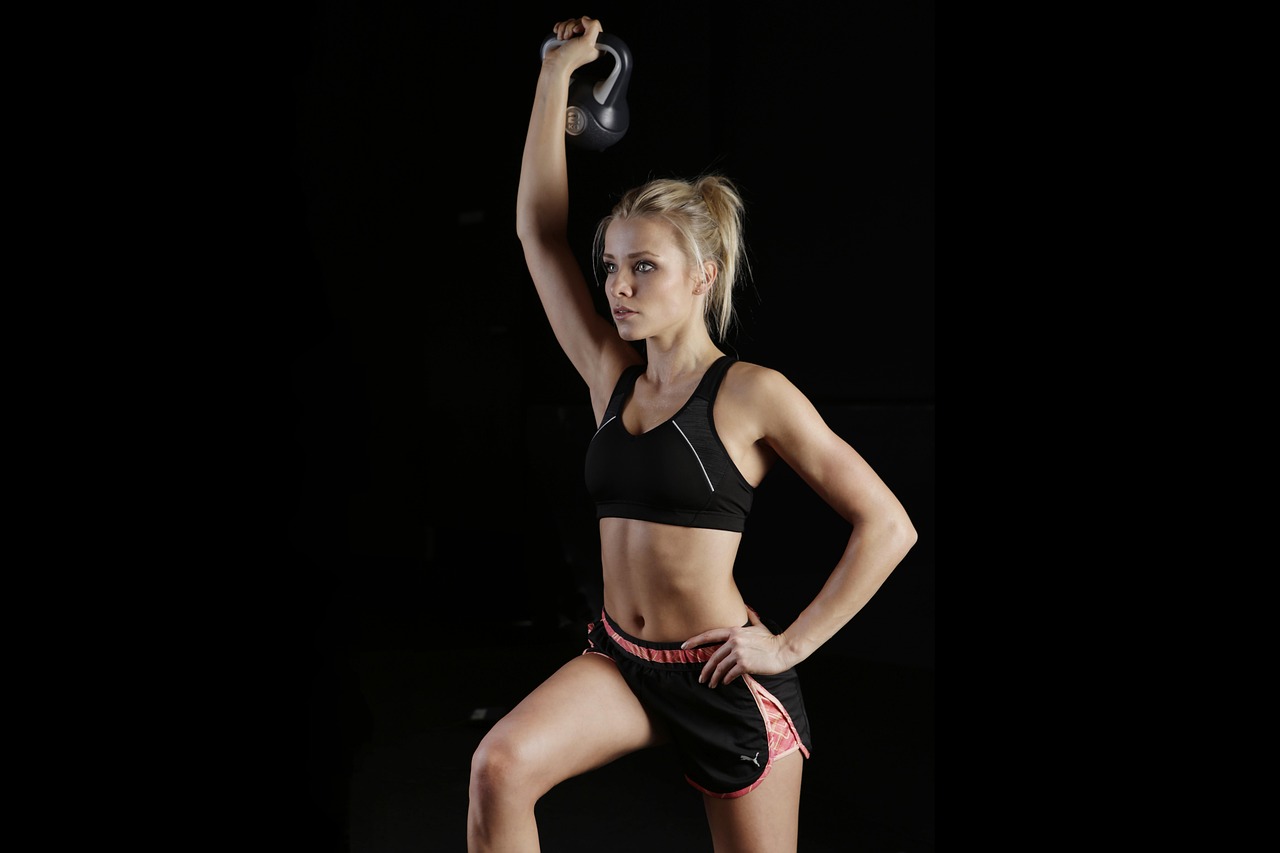
Next, it is essential to recognize the types of weights available and their respective benefits. Free weights, such as dumbbells and kettlebells, are versatile tools that require stability and coordination, making them ideal for beginners. Machines, on the other hand, provide guided motion, making it easier to learn proper movement patterns, which can help boost confidence. Other options include resistance bands, which offer a unique way to strengthen your muscles without the need for heavy weights. They are portable and perfect for at-home workouts, making it easier to incorporate strength training into your routine. Another consideration is adjustable weights, allowing users to modify resistance according to their abilities easily. This flexibility is advantageous as it can grow with your progress. Keep in mind the price of weights and your budget as well. Investing in quality equipment can make a significant difference in durability and safety. Always choose weights that offer comfort and grip to prevent accidents during workouts. Finally, ensure you have enough space to perform movements safely, reducing the risk of injury while exercising.
Understanding Your Fitness Level
Understanding your fitness level is an essential step when it comes to selecting the appropriate weights for your workouts. This self-assessment will serve as a compass for your entire strength training program. Assess your strength by trying different weights and noting how it feels during lifts. If you can perform the desired repetitions without compromising your form, you may need to adjust your weights. Moreover, consider your previous exercise experience. If you have been inactive for an extended period, start with lighter weights to ease into strength training. As you become more comfortable and gain confidence, gradually increase your resistance. It’s also important to remember that strength gains can vary significantly from person to person. Age, body composition, and genetic factors all play significant roles. Therefore, keep your expectations realistic. Monitor your progress, and note any changes in strength or endurance. Adjust your weights accordingly. Additionally, consider consulting a trainer or fitness expert for personalized advice tailored to your level, helping to ensure a safe and effective start in strength training.
Another key component of selecting the right weights involves focusing on your goals. Your objectives in strength training, whether it be muscle gain, toning, or overall fitness, will influence your weight choices. If your goal is to build muscle mass, using heavier weights for fewer repetitions can yield positive results. This method stimulates muscle fibers, promoting hypertrophy. Conversely, for those seeking to tone and lean out, lighter weights with higher repetitions are advisable. This approach raises muscle endurance and promotes a well-defined appearance. Understand that setting clear goals not only aids in weight selection but also motivates you along your fitness journey. Create SMART (Specific, Measurable, Achievable, Relevant, Time-bound) goals to maintain focus. For example, aim to improve your lifting capacity by a certain percentage over a specific timeframe. Tracking your results can help you gauge progress, ensuring you stay aligned with your targets. Furthermore, don’t be afraid to adjust your goals as you gain strength. As your fitness improves, reassess your aspirations to challenge yourself continually. Remember, the right weights play a vital role in achieving your success!
Safety and Proper Technique
Safety and proper technique must never be compromised when choosing weights. Always prioritize learning the correct form over lifting heavier weights. Proper lifting techniques ensure you maximize gains while minimizing injury risk. Start with lighter weights to establish a strong foundation before progressing to heavier ones. Consider working with a trainer or following reputable tutorials that emphasize safety. A knowledgeable guide can spot your form and provide instant feedback, which can be crucial for beginners. Another critical aspect is warming up before jumping into your workout routine. Dynamic stretching or light cardio is essential to prepare your muscles for training, enhancing blood circulation and flexibility. Incorporate cool-down stretches afterward to aid recovery, preventing stiffness and discomfort. Always listen to your body; if something feels wrong or painful, stop immediately. Monitor your fatigue levels during workouts, as overexertion can lead to poor form and injury. Ensuring that your workout environment is safe, with adequate space and stable flooring, also contributes to safety. Remember, strength training should be an enjoyable, empowering experience, so prioritize safety with every weight choice you make!
Additionally, incorporating a variety of weights into your routine can enhance your strength training experience. Rather than sticking to the same weights, mix them up to engage your muscles effectively. You may use different forms such as barbells, dumbbells, kettlebells, or resistance bands. Each type offers unique benefits, engaging various muscle groups and preventing workout monotony. Another strategy involves utilizing supersets or drop sets; these techniques allow you to alternate between different weights or exercises, intensifying your training sessions. For example, you may start with a heavier weight for a compound lift, then switch to lighter weights to finish with isolation exercises. This method not only builds strength but also keeps workouts fresh and exciting. Further, consider the use of tempo training by varying the speed of your lifts. Slowing down the concentric or eccentric phases can increase difficulty without added weight, developing muscular endurance and control. Lastly, periodically reassess your overall routine to keep it aligned with your evolving fitness goals, ensuring continuous growth and improvements. Choosing weights should never become dull, so let creativity guide your training approach.
Conclusion
In conclusion, choosing the right weights for strength training is a multidimensional process that requires careful thought and consideration. Beginners should focus on mastering techniques with manageable weights to build confidence. Evaluate your fitness level and align it with your training goals to make informed choices. Remember the value of safety and proper technique throughout every workout. Experimenting with various weights can keep things interesting and help target different muscle groups. Listen to your body, and don’t hesitate to alter your weights as your strength improves. Log your progress to clearly see results over time, ensuring your goals remain within reach. Don’t forget the importance of recovery; give your muscles time to heal and grow stronger. Investing in quality equipment, whether it be free weights or machines, can enhance your training experience. Additionally, seeking guidance from professionals can help you navigate these choices effectively. Ultimately, strength training should be enjoyable and empowering while positively impacting your overall health. Embrace the journey, and let the right weights propel you to your desired results!
In addition to the physical aspects of strength training, consider the psychological benefits as well. Regularly lifting weights can boost your mood, improve self-esteem, and reduce stress. As you develop your skills, you may find enhanced discipline and willpower, which can translate into other life areas. Furthermore, engaging in a supportive community can enhance your motivation and accountability. Consider joining a local gym, taking group classes, or participating in online fitness forums to share experiences and tips. This shared passion creates a sense of camaraderie in your fitness journey, encouraging you to stay committed to your goals. Always remember to celebrate your progress and achievements, no matter how small they may seem. Acknowledging your efforts boosts confidence, fueling your dedication towards strength training. Visualize your end goals to maintain motivation throughout your fitness endeavors. By incorporating the principles discussed in this article, you can confidently choose the right weights that align with your strength training objectives. With the right mindset and the correct approach, success is within reach. Strength training can be a life-changing experience, so embrace your path and enjoy reaping the rewards of all your hard work!