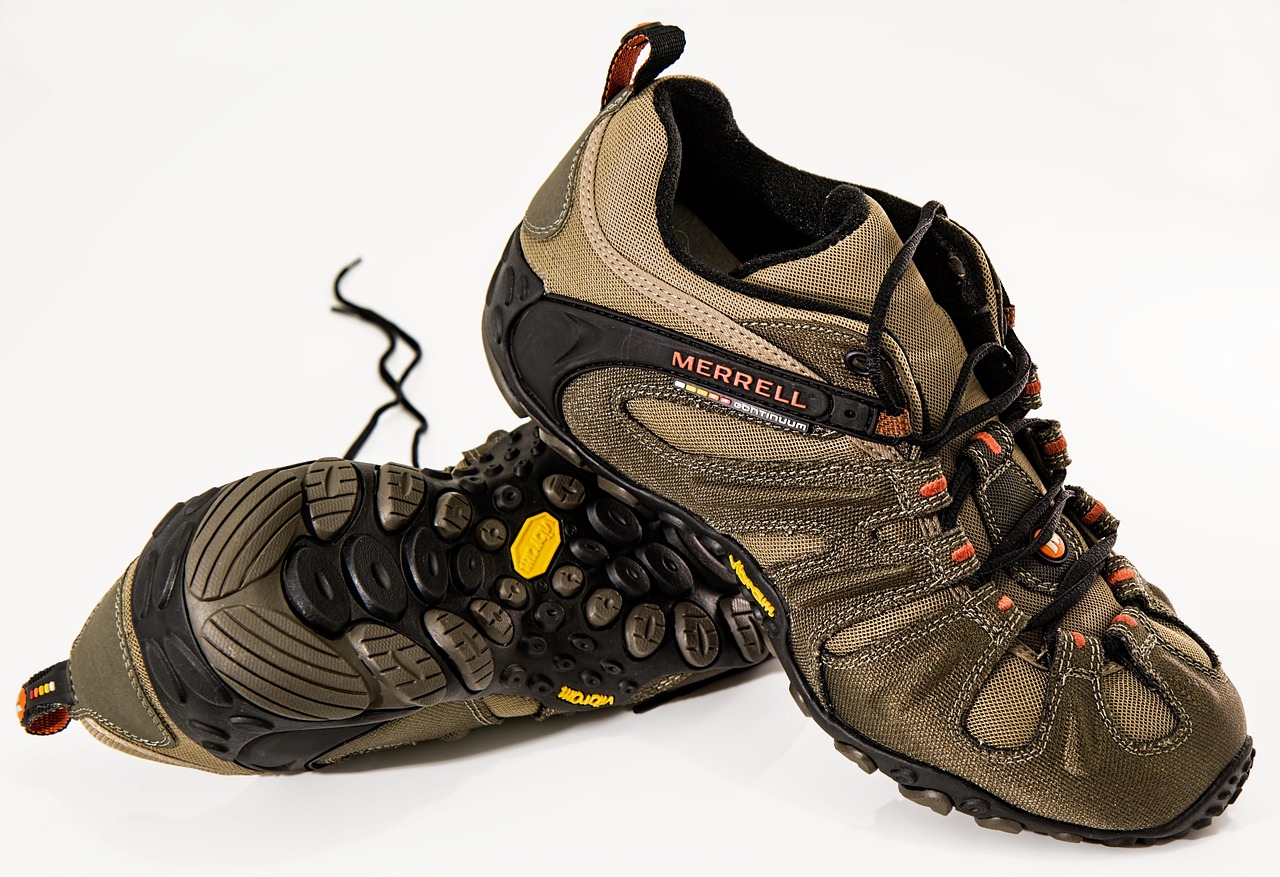

Maintaining Your OCR Footwear’s Grip and Traction
Obstacle Course Racing (OCR) footwear plays a critical role in determining your performance during races and training sessions. These shoes must provide excellent grip and traction on a variety of uneven surfaces. To ensure your footwear maintains grip, it’s essential to regularly check for accumulated dirt or debris that can impair performance. Use a damp cloth to wipe down the shoe’s surface after each session, specifically targeting the tread area. Additionally, consider investing in a soft-bristle brush to loosen dirt compacted in the grooves of the sole. Properly cleaning your shoes after intense muddy races will maximize traction for your next event. Pay special attention to any scuffs and scrapes on the rubber as well; they can affect grip, so replace the shoe once the wear and tear are evident. There are specific pads and sprays available to maintain or enhance grip, which can be used in conjunction with regular cleaning. Always pick a product compatible with your shoe materials to avoid damaging them. Store your OCR footwear in a dry, cool environment to avoid moisture and deterioration.
Another significant aspect of maintaining the grip of your OCR footwear involves regularly assessing the tread quality. Over time, tread patterns that initially offered superior grip may wear down and lose effectiveness. To extend the life of your OCR footwear, rotate between multiple pairs, allowing each to rest and recuperate after strenuous use. This not only helps in maintaining the responsiveness of the tread but also gives your shoes a chance to dry completely from sweat and moisture that can accumulate. Look for visible signs of wear, such as flat areas on the sole or exposed material underneath, which signals it might be time for replacement. Also, keep in mind that certain terrains may require specific tread patterns. For example, a shoe designed for muddy environments may not perform well on rocky paths. When replacing shoes, check if your current pair has a replacement option that offers similar or improved traction. Always remember that investing in quality OCR footwear is a step towards ensuring better performance and safety.
Drying and Storing Techniques
Proper drying and storing techniques are crucial for maintaining your OCR footwear’s grip and longevity. After washing or cleaning your shoes, avoid placing them directly in sunlight or near heating sources. This can cause the materials to warp, degrade, or lose their integrity over time. Instead, allow them to air dry at room temperature in a well-ventilated area. You can stuff the shoes with newsprint or paper towels to help absorb moisture and retain their shape while drying. Additionally, always ensure they are completely dry before storing them to prevent mildew and odors from developing. When storing, it’s wise to keep your shoes in a cool, dry place, ideally in a breathable bag or container. Preventing direct contact with dirt or moisture during storage will help maintain their performance. Furthermore, once off the feet, check for any damage or dirt accumulation again, as this will help keep your shoes in optimal condition for the next run. Regular inspection, effective drying methods, and appropriate storage options are key to enhancing your OCR footwear’s lifespan and functional grip.
The importance of using appropriate footwear for various obstacle courses cannot be underestimated. Consequently, it’s essential to know your terrain and adjust your shoe choices accordingly. A shoe that excels in grip in muddy conditions may not be suitable for rocky paths. Therefore, having a diverse collection of OCR footwear for various conditions can ensure optimal performance, both in training and competitive environments. When selecting new shoes, research specific models known for their grip and traction on the types of surfaces you’ll be encountering regularly. User reviews and expert analyses can provide valuable insights and help you make informed choices. In addition, consider smaller aspects such as lacing systems and upper material, which can affect how well your shoes fit and respond on the course. Fitting is also an important factor—make sure your OCR footwear has snug but not overly tight fits, as both loose and exceedingly tight shoes can lead to discomfort and instability. Finally, don’t hesitate to consult with fellow racers to discuss the best footwear options they have experienced based on the varying challenges of obstacle courses.
Understanding Material Care
Material care is crucial for maintaining the grip of your OCR footwear. Different materials have different needs, and understanding them can lead to enhanced durability and performance. For example, synthetic materials often used in OCR shoes are generally easier to clean and more water-resistant. Nevertheless, they may require special care products to keep them breathable and effective. Natural materials, such as leather, typically offer comfort and durability but need more gentle handling when cleaning. Always follow the manufacturer’s recommendations for cleaning and maintenance. If your shoes feature mesh panels, be cautious with exposure to harsh cleaning agents, as they could damage the mesh’s integrity and hinder shoe performance. Also, remember that not all waterproofing sprays are created equal; selecting the right product can enhance your shoes’ capabilities without harming the material. Over time, inspect the shoes closely for signs of wear or breakdown in performance. Are the materials still flexible, and are there any signs of cracks or tears? By being proactive about material care and understanding the needs of each component, you can maintain the function and safety your footwear provides.
For those committed to obstacle course racing, analyzing the environmental factors affecting your OCR footwear and traction is essential. External elements like temperature and moisture can significantly influence shoe grip. Worn shoes may slip on wet, muddy surfaces, leading to potential falls or injuries. Similarly, dry and rocky courses might require different traction than forest trails. As you practice and explore courses, pay close attention to how your footwear interacts with different surfaces throughout various weather conditions. It might be beneficial to evaluate performance while learning how to adjust your techniques accordingly. For instance, if you frequently race in wet conditions, consider models with specialized traction features. Moreover, note that regularly changing your technique can help you avoid damaging your shoes. Good foot placement can protect the outer layer and tread of your shoes while also ensuring you maintain an upright posture during obstacles. Analyzing these environmental factors, along with regular inspections and cleaning, will go a long way toward ensuring your OCR footwear remains healthy and reliable for all courses.
Final Thoughts on OCR Footwear Maintenance
In conclusion, maintaining your OCR footwear’s grip and traction is integral to your race performance. By implementing a systematic cleaning and inspection routine, considering environmental factors, and staying proactive with material care techniques, you can help ensure your shoes remain effective race after race. Remember to focus on the specific characteristics of different terrains and choose appropriate footwear for those conditions. Moreover, adopting proper storage and drying techniques can significantly extend the lifespan of your shoes. Also, always keep your foot health in mind; this is as critical as maintaining the shoes themselves. A healthy foot starts with proper footwear and continuous maintenance. Investing time and resources into taking care of your OCR gear is not only beneficial for performance but is also a smart strategy for reducing expenses over time. Finally, don’t hesitate to participate in online forums and community discussions to share tips and insights regarding OCR footwear maintenance. Engaging with fellow OCR enthusiasts can provide you with valuable information, ensuring you stay ahead in this exciting sport. With diligence and a proactive mindset, you’re guaranteed a better racing experience.
Maintaining your OCR footwear’s grip and traction is essential for performance and safety. Regular cleaning and inspection, combined with proper drying, storage, and material care, will help ensure your gear remains effective and extends its life for future races. Focus on tread quality and terrain suitability while engaging with fellow enthusiasts to learn from their experiences. Invest wisely in your footwear and maintain it effectively to secure quality OCR racing experiences. Always be proactive about the overall health of your shoes to enjoy successful races.