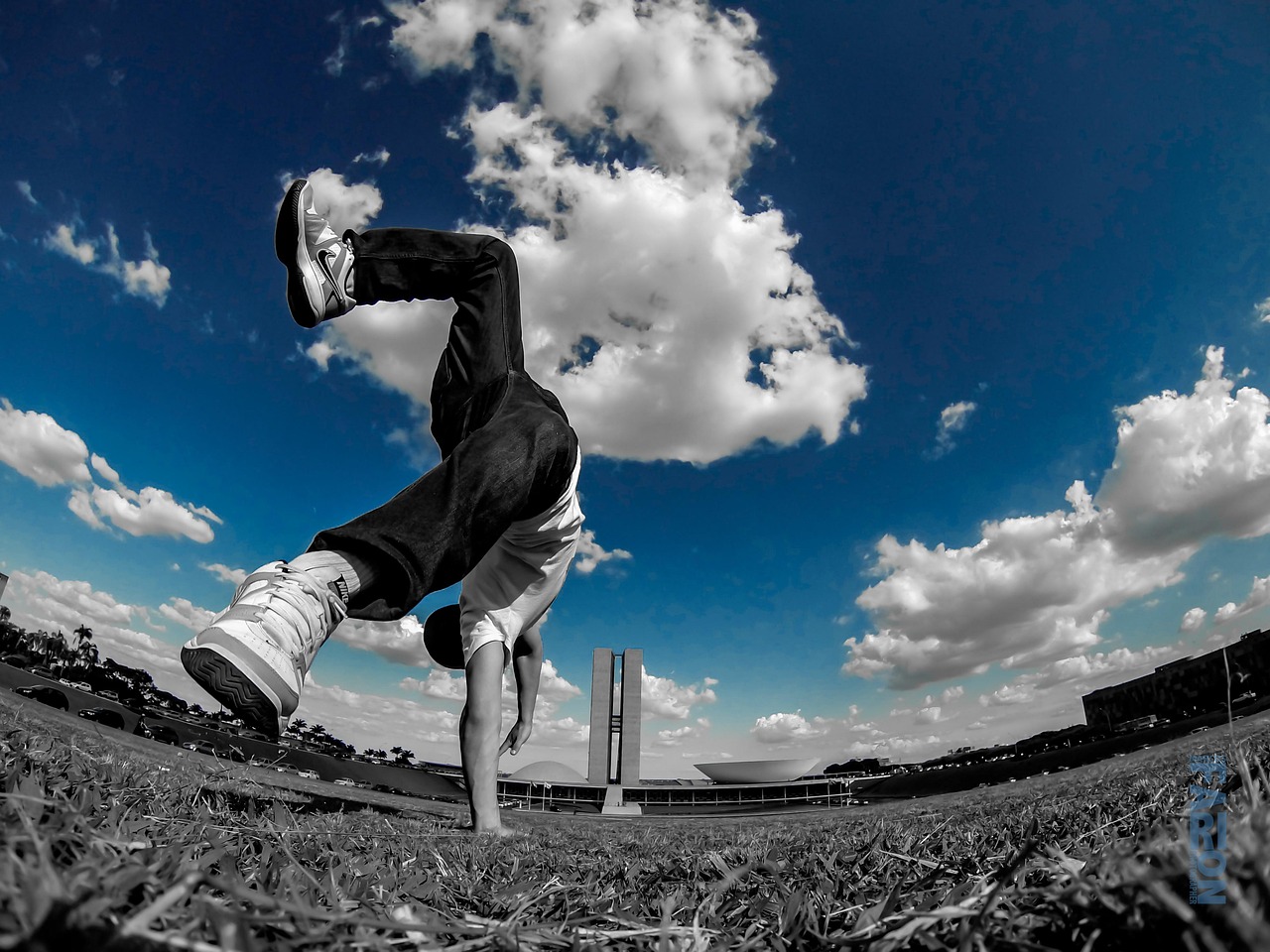

Seasonal Tips for Shooting Parkour Photography Outdoors
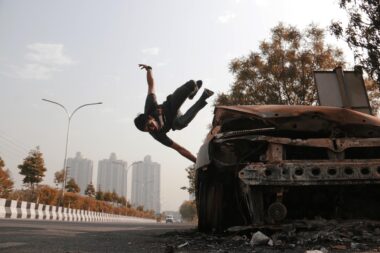
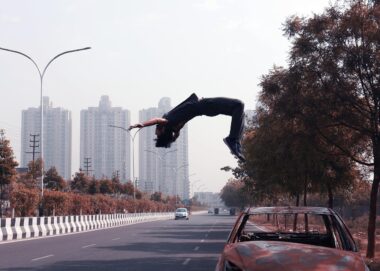
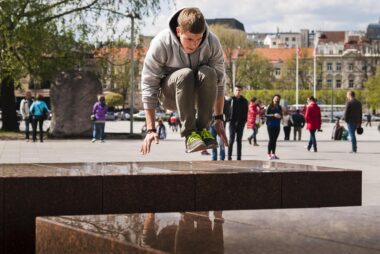
Capturing parkour in its vibrant outdoor settings requires careful consideration of seasonal elements. The choice of season impacts light, color, and overall ambiance. Spring, for example, offers budding flowers and softer light. Summer provides bright colors and vibrant energy, while autumn showcases warm tones against a crisp backdrop. Winter, though stark and cold, presents unique visual opportunities in snow-covered landscapes. Each change invites a fresh approach to composition and timing. Utilize the thriving flora of spring to frame your subjects artfully. During summer, leverage longer days for optimal shooting hours. In autumn, the breathtaking colors will add depth to your images, whereas winter can create dramatic contrasts with action shots. Thus, understanding seasonal changes helps generate much more captivating and dynamic images.
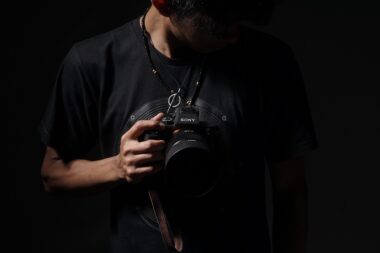
Equipment choice for seasonal parkour photography is paramount for achieving exceptional images. Consider using a versatile camera that performs well in various conditions to maintain high-quality images in changing light. A wide-angle lens will allow you to capture the spatial dynamics of parkour movements against diverse surroundings. On the other hand, a longer lens provides opportunities for candid shots from a distance. Keep in mind the weather, as moisture or harsh sunlight can affect your gear. Thus, investing in protective gear will safeguard your camera. Additionally, always carry spare batteries, since cold weather can drain power faster. Also, experimenting with different apertures and shutter speeds allows for creative shots with unique effects. Ultimately, selecting the right equipment enhances not only your capability but also the overall quality of your final images.
Lighting Techniques in Parkour Photography
Natural lighting plays a fundamental role in parkour photography, especially outdoors. Utilize the golden hour, occurring shortly after sunrise or before sunset, to capture the warmest light. This lighting will provide softer shadows and highlights, enhancing the subject’s forms. Overcast days can also be beneficial, offering diffused light that eliminates harsh contrasts. Ensure your subject stands out against the background to maintain focus. Experiment with backlighting to create ethereal effects when the sun is positioned behind the athlete. Using reflectors can help bounce light onto the subject, providing illumination where needed. Consider utilizing geographical elements, like trees or buildings, which can aid in manipulating light for captivating effects. Mastery of natural lighting contributes significantly to the success of your parkour photography.
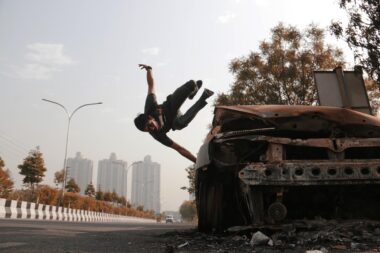
Composition is a key element of effective parkour photography. Adopting unique angles allows you to showcase the dynamism and creativity of movement. Consider utilizing low or high perspectives to provide a fresh viewpoint and enhance the action. Framing your subject within architectural elements or natural scenery adds context to the shot. Rule of thirds often applies; however, breaking conventional rules can yield impactful compositions. Use leading lines, like pathways or edges of structures, to guide the viewer’s eye toward the subject. Maintaining balance and ensuring the positioning of your subject forces viewers to engage with the image. Experimenting with both wide shots capturing movement sequences and close-ups focusing on expression and technique enhances versatility in your portfolio, giving robust storytelling ability.
Weather Considerations for Outdoor Photography
Weather conditions can dramatically influence your parkour photography experience and final results. On sunny days, watch for overexposure, particularly during the noon hours. Conversely, cloudy days yield softer shadows but can often reduce contrast in colors. Rain can create unique textures and reflections, leading to stunning shots. Thus, carrying a transparent umbrella can serve multiple functions during a sudden downpour. Cold and wind can impact both your subject’s performance and your equipment’s stability, so adjustments may be necessary. Always keep an eye on weather forecasts before scheduling shoots and be adaptable. If the weather conditions are unfavorable, consider indoor settings or creative alternatives like urban environments. Continuing to build resilience amidst varying conditions sharpens your skills and enriches your photographic journey.
The collaboration between photographer and athlete is vital for effective parkour photography. Establishing clear communication ensures that both parties understand the intended shots and expectations. Conducting a walk-through of the selected locations facilitates familiarization with surroundings, enabling the subject to identify potential lines and movements. Encouraging creative input from the athlete often leads to more dynamic and genuine shots. Plan to capture various sequences, emphasizing different movements, to provide options for final edits. Additionally, offering encouragement helps boost the subject’s confidence, resulting in more spirited expressions and actions. Building a rapport through collaborative sessions fosters long-lasting bonds that contribute positively to both the photography experience and final portfolio, ultimately yielding impactful visual narratives.
Post-Processing Tips for Parkour Images
Post-processing is essential in transforming raw parkour photographs into visually stunning final images. Begin with basic adjustments, such as exposure and color correction, to ensure the image accurately reflects the scene’s atmosphere. Consider utilizing editing software like Adobe Lightroom or Photoshop, allowing for more advanced techniques. Sharpening can enhance the details, focusing on subjects’ movements and technical skills. Different filters can introduce dramatic effects, but subtlety remains key; avoiding an overly processed look preserves authenticity. Cropping will refine your composition if necessary, helping concentrate on your subject. Be mindful of preserving the integrity of the action performed. Consistently refining post-processing skills will differentiate your parkour portfolio, making your images stand out from the crowd and capturing the attention of viewers.
Sharing your parkour photography through various platforms enhances visibility and helps create a valuable online presence. Social media, especially platforms like Instagram and Facebook, presents opportunities to showcase your work to broader audiences. Engaging with other photographers and enthusiasts can offer valuable feedback and inspire new creative directions. Consider using hashtags related to parkour photography to reach a more targeted audience, hence choosing suitable tags is essential. Additionally, joining relevant online communities or forums can present networking opportunities and showcase your work effectively. Entering photography contests can serve as a boost to both credibility and visibility. Remember that consistency in your sharing strategy strengthens your artistic identity, establishing you as an individual voice in the parkour photography niche. Ultimately, embracing these platforms encourages growth in both technical and creative aspects of your photography endeavors.