
The Science of Soaring: Understanding Lift and Drag in Hang Gliding
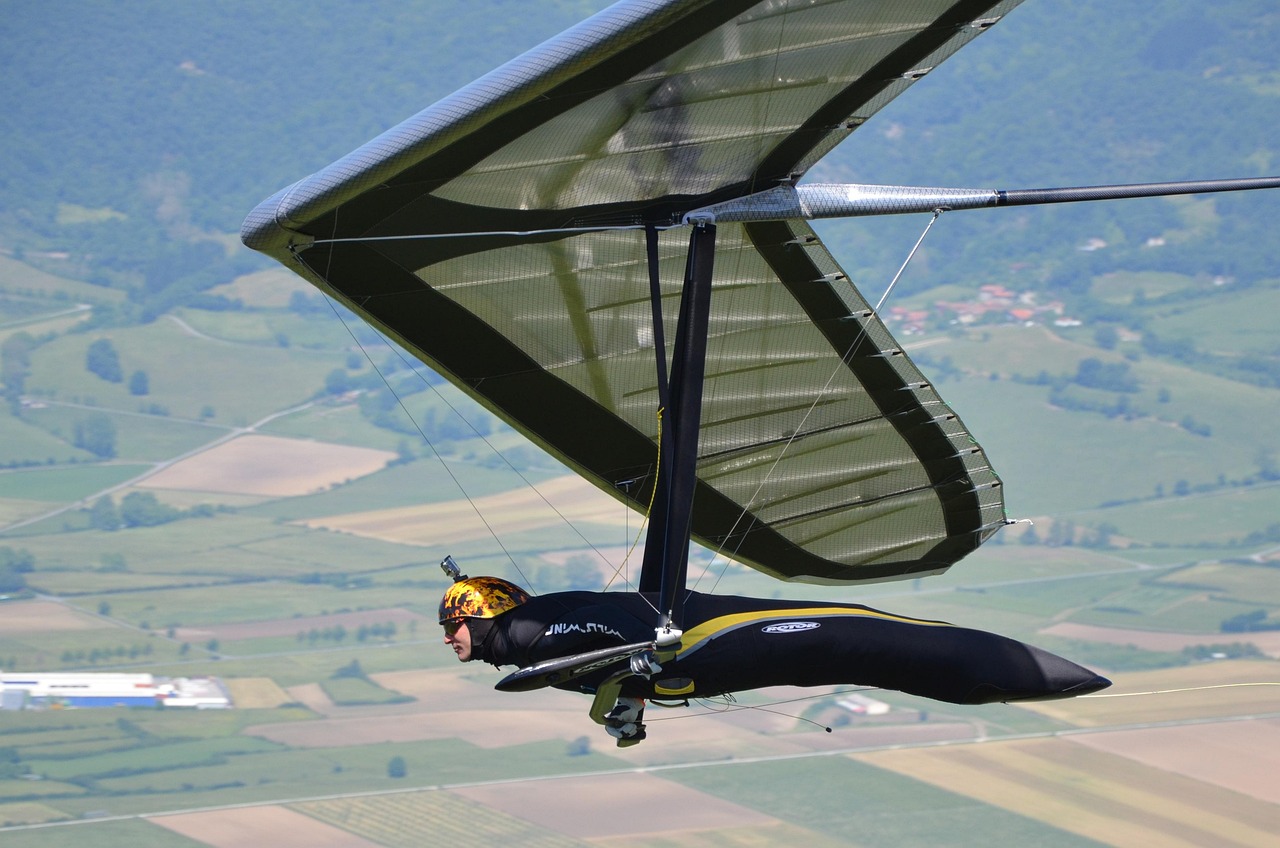
Hang gliding combines the thrill of flight with the principles of physics, particularly focusing on lift and drag forces. Understanding these forces is crucial for safe and effective gliding. When a hang glider launches from a height, it depends heavily on the physics of lift to take to the skies. Lift is generated as the glider’s wings move through the air, creating a difference in pressure between the upper and lower surfaces. This is a consequence of Bernoulli’s principle. Drag, on the other hand, is the opposing force that acts against the motion of the glider. It primarily consists of form drag and parasitic drag, which can both significantly impact the glider’s performance. To optimize their gliding experience, pilots must learn how to balance lift and drag, maneuvering their gliders efficiently in various conditions, including thermals and winds. Venture into the world of hang gliding requires attention to these principles to enhance safety while understanding the science allows every flyer to appreciate what keeps them aloft. Mastery of these elements can transform each flight into a memorable adventure in the skies.
When learning about lift in hang gliding, one must explore how wing shape influences its creation. A well-designed wing will generate maximum lift for a given speed. The angle of attack, the angle between the wing and the oncoming air, plays a crucial role. Increasing this angle can yield more lift, but only up to a point before stall occurs. Stall is a dangerous condition where the airflow separates from the wing’s surface, leading to loss of lift. This fact underscores the importance of recognizing optimal angles in flight. No two hang gliders are alike, with variations in wing design affecting lift coefficients. Additionally, pilots can manipulate wing flaps to adjust performance dynamically during the flight. Thermals, or rising columns of warm air, provide an essential element of lift that enhances the gliding experience. Pilots seek these thermals meticulously while soaring, as they can significantly extend flight duration and altitude. Understanding the physical principles behind such lift mechanisms elevates the adventure, turning every flight into a captivating exploration of the skies above. It’s this understanding that makes hang gliding all the more engaging for new and seasoned pilots alike.
Understanding Drag and Its Impact
Drag is a fundamental force in aerodynamic activities, including hang gliding, influencing performance and safety significantly. As a glider cruises through the air, drag opposes the forces of motion, eventually affecting speed and ascent capabilities. Hang gliders experience two main types of drag: parasitic and induced. Parasitic drag consists of skin friction and pressure drag, arising from the glider’s shape and surface texture. Minimizing this drag is critical for achieving a smooth gliding experience. Pilots can enhance their glider’s efficiency by reducing the cross-sectional area. Induced drag, on the other hand, is linked directly to lift; as lift increases, induced drag tends to rise as well. Therefore, understanding drag leads to better decision-making for hang gliding pilots, enabling them to optimize flight paths for efficiency and safety. If pilots can balance lift and drag appropriately, they can enjoy longer flights with fewer energy expenditures. Training and education regarding aerodynamics are invaluable for pilots, encouraging a mindset focused on safety and effective flight. The unique relationship between these forces defines the excitement hang gliding offers as it juxtaposes thrill with the science of flying.
The importance of weather conditions cannot be overstated when discussing successful hang gliding. Understanding how lift and drag are affected by weather patterns is essential for optimal performance. Factors such as wind speed, temperature, and humidity can all impact the hang glider’s lift. Warm air is less dense than cold air, making it more advantageous for creating lift. Consequently, thermal updrafts are prevalent during sunny days, aiding pilots in improving their altitude and extending flights. However, strong winds can also lead to turbulent conditions that can challenge the control and predictability of gliding. Pilots must analyze weather forecasts thoroughly before embarking on a flight to determine the best times for soaring. Adverse weather conditions can transform a beautiful day of flying into a perilous experience. Furthermore, mastering navigation strategies to work with wind, rather than against it, is crucial for safely extending glider flights. Weather education paired with knowledge of lift and drag creates a comprehensive knowledge base essential for any aspiring pilot. Heed the lessons learned about weather, and pilots can enjoy unparalleled outdoor adventures within the beauty of the skies.
Mastering Takeoff and Landing
Takeoff and landing are two crucial moments in hang gliding that require an understanding of lift and drag dynamics. A soft and efficient takeoff is the goal, often accomplished by running down a slope until the necessary lift is created. The angle of attack comes into play here as pilots carefully adjust their position to maximize lift while minimizing drag. Complications can arise if the pilot misjudges lift or experiences sudden changes in wind conditions. For successful landings, pilots must precisely gauge altitude and descent rate, balancing drag to ensure a smooth touchdown. Controlled descent strategies, like slowing down the wings, help manage descent speeds effectively. Braking techniques, including timing and direction control, can refine the landing experience significantly. Training helps pilots master the intricate details of takeoff and landing, ensuring safety and efficacy. Continuous practice is essential, as real-world experiences differ from simulations. Regularly assessing performance during these phases allows pilots to become proficient through meaningful evaluation and adjustment. Learn to navigate the dynamics of lift and drag at these pivotal points, and every flight will transform toward becoming a seamless, memorable adventure.
Safety measures are paramount in the hang gliding community, particularly concerning understanding lift and drag implications for different flight situations. Knowledge about these forces aids in making informed decisions, allowing pilots to respond effectively to changing circumstances during flight. It’s essential to wear appropriate safety equipment, such as helmets and reserve parachutes, to mitigate risks. Additionally, thorough pre-flight checks should include evaluating wing conditions, harness fittings, and weight distribution. The performance of the hang glider can be affected by equipment conditions that intersect with lift and drag principles, impacting overall safety. An educated pilot recognizes how deterioration in equipment may affect these forces, thus impacting their flight. Mentorship and peer interactions can contribute significantly to a pilot’s safety knowledge base. Community support encourages sharing insights about various flight experiences, enriching everyone’s understanding. Workshops and training sessions focused on lift and drag concepts can aid in solidifying knowledge and community strength. Awareness, combined with grounded education about hang gliding fundamentals, fosters a safe environment for both new and experienced pilots in outdoor adventure sports. Safety enhances enjoyment, ensuring every individual’s skyward adventure remains spectacular.
The Joy of Adventure and Science
There is undeniable joy that accompanies the marriage of scientific principles with the thrill of hang gliding. As pilots explore the skies, they become living testaments to the wonders of lift and drag. Every flight becomes an opportunity to learn and explore the complexities of the natural world through experiential learning and adventure. From soaring high above the landscape to maneuvering through changing conditions, hang gliders engage deeply with scientific concepts. This connection cultivates appreciation for aerodynamics and enriches the flying experience. Whether new or experienced, every glider pilot can awaken curiosity by observing how environmental elements interact during flight. Climactic interactions turn complex science into tangible experiences. The possibilities are endless, as pilots can learn not only about hang gliding but also environmental trends and weather patterns that influence their adventures. Embracing learning enables pilots to improve their skills and foster a sense of community among adventurers. Passion for flight breeds connections to science, weather, and overall safety. The essence of hang gliding encapsulates not only the adventure in the sky but also the enriching knowledge derived through each flight, making every journey worthwhile.
A rich understanding of lift and drag fundamentally shapes the hang gliding experience, enhancing the balance between safety and adventure. Insight into aerodynamic forces equips pilots with the knowledge and skills required to navigate the sky effectively. From the moment of takeoff to achieving soaring heights, appreciating these concepts transforms flights into engaging, meaningful experiences. Continuous learning and practice remain vital to mastering these essential elements, allowing pilots to optimize their hang gliding journeys while exploring the skies. Each flight serves as a reminder of the beauty and intricacy of science and its direct manifestations in the world of outdoor adventure sports. Inspiration flows abundantly as pilots adapt to nature’s challenges, while cultivating curiosity about physics empowers their journeys. Understanding lift and drag not only broadens knowledge but also inspires an ongoing passion for flying. Embrace the science of soaring and discover how it transforms the joy of hang gliding. The sky is waiting for those who dare to explore. Seek out adventure while valuing the lessons in aerodynamics, making for a fulfilling experience both in the air and on the ground.