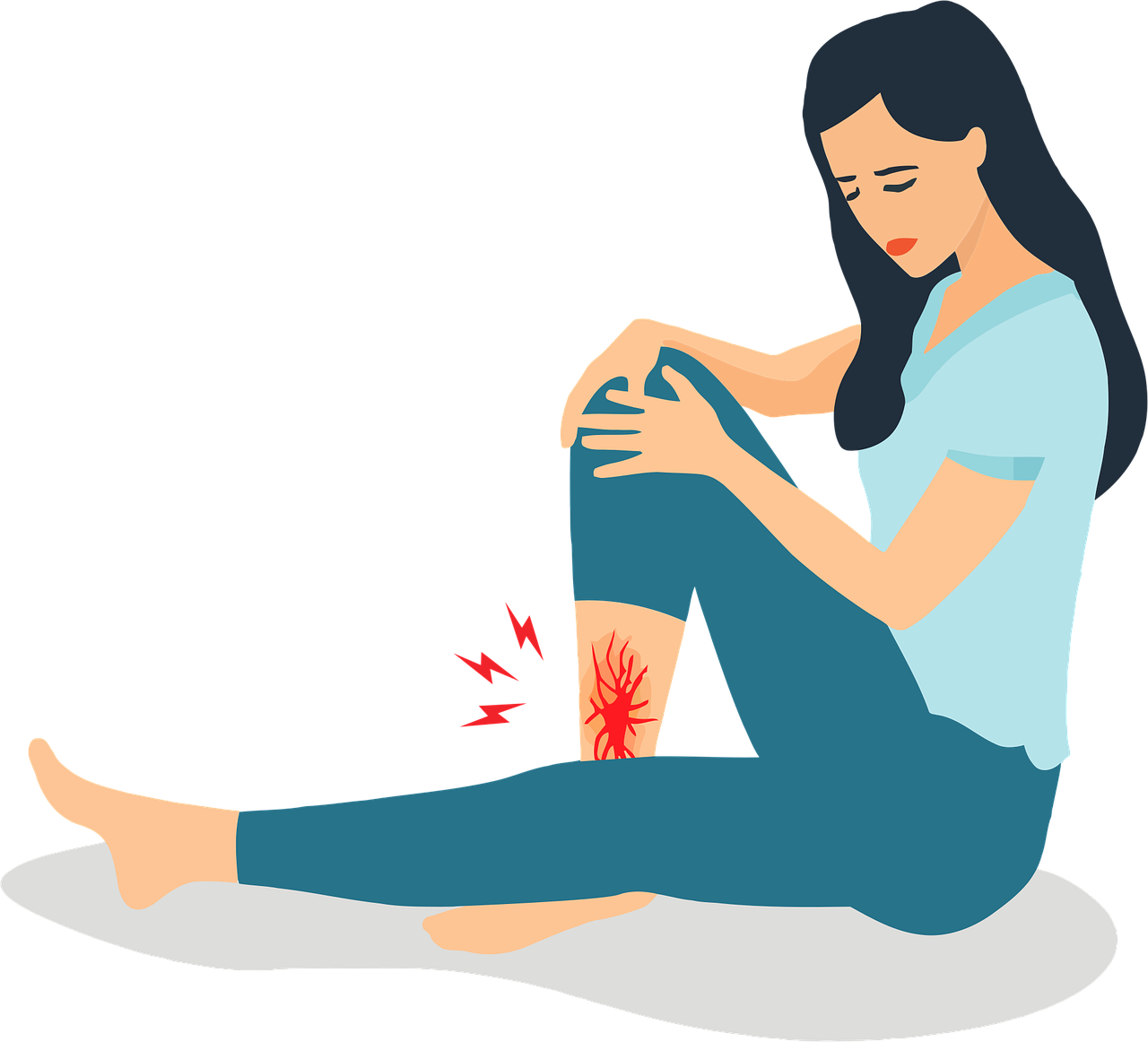

Understanding Muscle Strains and Sprains in Tennis
Tennis is an exhilarating game that not only provides enjoyment but also challenges players physically. However, the intense movements involved can lead to a variety of injuries, particularly muscle strains and sprains. Strains happen when muscles or tendons are stretched or torn, while sprains involve the ligaments that support joints. Both types of injuries are common among players, often resulting in pain, swelling, and reduced mobility. Recognizing the signs of these injuries early can help in effective treatment and recovery. The most frequently affected areas include the shoulders, elbows, wrists, and knees. Players should be aware of their physical limits, as pushing too hard can increase the risk of injury. Proper training, warm-up routines, and cool-down practices can greatly minimize these risks. Additionally, listening to your body during play is essential. Should you feel discomfort beyond ordinary fatigue, it’s advisable to stop and assess your condition or consult a professional. Staying informed about muscle strains and sprains can empower players in maintaining long-term health on the court.
One important cause of muscle strains and sprains in tennis is improper technique. When players use incorrect strokes or footwork during play, they may put unnecessary stress on their muscles and joints. This often leads to injuries during intense moments. It’s therefore crucial for players to work on their form and technique regularly. Engaging in regular strength training exercises can also prepare the muscles for the demands of the game. Well-conditioned muscles are less prone to strains. Flexibility plays a vital role as well, and incorporating stretching routines into your training regimen can significantly enhance your performance and decrease injury risk. It helps maintain range of motion in joints and can prevent muscle tightness. Moreover, adequate hydration is essential in preventing injuries. Dehydrated muscles are more susceptible to tears or sprains. It’s beneficial to drink water or electrolyte-rich drinks before, during, and after play. Additionally, focusing on recovery methods such as ice therapy, compression, and elevation can aid in healing. Early intervention should be sought when injuries occur to avoid long-term consequences, ensuring that players can return to the game they love.
Symptoms and Diagnosis of Injuries
Identifying the symptoms of muscle strains and sprains is the first step towards effective treatment. Common signs include sudden pain, tenderness, swelling, and limited movement in the affected area. Muscle strains are typically categorized as mild, moderate, or severe, depending on the extent of the injury. Mild strains may only involve a slight stretch with minimal pain, while severe strains can result in complete tears requiring extensive rehabilitation. On the other hand, sprains may also be classified based on severity, and players may experience bruises and swelling around the joint. To properly diagnose the injury, professional evaluation may involve physical examination techniques and possibly imaging tests such as X-rays or MRIs. This helps differentiate between strains, sprains, and other types of injuries such as fractures. After diagnosis, a tailored treatment plan can be created that aligns with the player’s specific needs and promotes swift recovery. Understanding the symptoms and seeking timely attention can significantly increase the chances of a full return to competitive play.
The treatment for muscle strains and sprains generally follows the RICE method—Rest, Ice, Compression, and Elevation. Initially, it is crucial to stop any activity that aggravates the injury. Rest allows the body to heal, while ice reduces swelling and alleviates pain. Applying ice packs for about 15-20 minutes every couple of hours can be beneficial. Compression using elastic bandages can further assist in minimizing swelling by restricting fluid accumulation. Elevation is also key; raising the injured area above heart level can effectively decrease swelling. The RICE method can be applied for a few days post-injury, following which physical therapy exercises may be recommended to restore strength and flexibility. Working with a physical therapist can help develop a customized recovery program. In some cases, over-the-counter pain medication may assist in managing discomfort. However, it’s essential not to rush recovery. Listening to your body and allowing adequate healing time will ultimately contribute to a more successful return to tennis. Ignoring persistent pain can lead to recurrent injuries that could impede long-term participation in the sport.
Preventive Measures for Tennis Players
To significantly reduce the risk of muscle strains and sprains, consistent preventive measures should be implemented. First, athletes should invest time in comprehensive warm-up exercises, which help prepare the body for strenuous activity. A good warm-up routine includes dynamic stretches, light jogging, and practice swings to activate the muscles. Additionally, incorporating strength training into a weekly regimen can develop resilience in muscles and joints. Focus on core strength, as a strong core stabilizes the body during movements required in tennis. Furthermore, it’s vital to ensure that play surfaces are safe and appropriate for activities. Poorly maintained courts can increase the chances of falling and injury during matches. Another important factor is the equipment being used. Ensure that shoes provide proper support and traction to minimize slips and strains during play. Adequate hydration must not be overlooked; dehydration can impair performance and increase injury risk. Lastly, consider cross-training with other sports, as differing movements can build overall fitness while providing rest from tennis-specific strains. These proactive steps can help keep players fit and injury-free for the long-haul.
Returning to tennis after an injury requires a cautious and well-structured approach. Transitioning back to the sport should be gradual to avoid re-injury. Initially, light drills focusing on technique and movement without exerting too much pressure on the affected area are recommended. Evaluating how the body responds to these activities is paramount; any signs of pain should prompt a reevaluation of the approach. Eventually, as confidence and strength return, players can reintroduce match play under the guidance of a professional. Communication with coaches and trainers is essential during this phase to tailor training protocols to the recovery stage. Cross-training, as mentioned earlier, can also help maintain physical fitness while allowing time for the injured area to heal. Additionally, being mindful of warm-up and cool-down exercises during practice or matches can bolster recovery and prevent future injuries. Players should learn the lesson of patience and not rush back into full competitive play too soon. The benefits of a thoughtful return will pay off in enhanced performance and reduced risk of injuries down the line.
Conclusion: Stay Informed and Healthy
Understanding muscle strains and sprains in tennis is invaluable for athletes of all skill levels. Awareness of how these injuries occur, their symptoms, and proper treatment options can lead to better outcomes. Prioritizing prevention strategies can also be a game-changer, enhancing overall athletic performance. Health is a cornerstone of sports, and players need to make informed decisions about their training and recovery methods. Regular check-ins with health professionals or physiotherapists can create a sense of reassurance and proactive management of physical well-being. Players should cultivate an optimistic attitude while learning how to listen to their bodies effectively. Each injury is a prompt to re-evaluate techniques, fitness levels, and practices. In doing so, the player’s love for tennis will not only continue but also flourish in a healthier and more sustainable manner. Remember that every player has a unique journey, and persistence in the face of challenges will contribute to long-lasting success on the court. Overall, knowledge and caution will empower you to enjoy the sport while minimizing injuries.