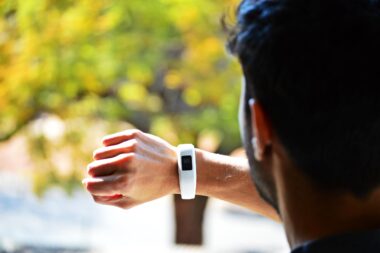

Wearables and Data Privacy Concerns in Competitive Sports
Wearable technology has revolutionized the way athletes train and perform in competitive sports. Devices such as smartwatches, fitness trackers, and heart rate monitors provide real-time data that can enhance training efficiency. However, as the use of wearables increases, so do concerns regarding data privacy. Athletes often provide personal information and biometric data to app developers and companies that produce these devices. This data can reveal sensitive health information and performance metrics that could be misused if information is mishandled. Athletes must navigate the delicate balance between leveraging technological advancements and safeguarding their private data. Moreover, the potential for hacking and data breaches raises questions about the security of these devices. With so much at stake, it becomes crucial for both athletes and organizations to develop robust data protection policies and protocols. As wearable technology continues to evolve, it will be essential to prioritize privacy measures. Collaborating with sports agencies and technology firms can establish guidelines that protect athletes from data exploitation. Furthermore, education and transparency concerning data usage must be at the forefront of any initiative involving wearables.
The integrity of competitive sports relies heavily on fair play and transparency. However, the use of wearables can lead to new ethical dilemmas surrounding sportsmanship. If some athletes utilize advanced technology for competitive advantage, it could jeopardize the standards expected in sports. Wearable devices that collect real-time performance data might grant select athletes insights unavailable to their competitors, arguably creating an uneven playing field. Therefore, ethical implications surrounding the use of wearables must not be overlooked. Governing bodies in various sports should implement strict regulations to ensure that wearable technology does not compromise fair competition. This includes defining guidelines for when and how data collected can be used during training and competition. Athletes and coaches must adhere to these rules to maintain fairness in sports. There should also be ongoing discussions among stakeholders in the sports community, including athletes, sponsors, and regulatory bodies. In fostering an environment of trust, these discussions can lead to more equitable use of technology in sports. Ultimately, it is vital to balance innovation with the fundamental principles of fairness and ethics in competitive environments.
The Role of Data Protection Laws
Data protection laws play a significant role in addressing privacy concerns related to wearable technology in sports. Various jurisdictions have implemented regulations, such as the General Data Protection Regulation (GDPR) in Europe, that govern how personal data is collected, stored, and processed. These laws emphasize the need for consent from individuals before collecting their data. In the context of wearable tech, athletes must be educated on their rights concerning personal information. Ensuring that wearables comply with these regulations is essential to protect athletes from unauthorized access to their data. Moreover, companies must design wearable devices that incorporate privacy-by-design principles at their conception. This proactive approach ensures that data protection measures are integrated into the product development lifecycle. Athletes should advocate for transparency about how their data is used and shared within the sports ecosystem. As data privacy regulations continue to evolve, the sports industry must remain adaptable to these changes. Education and awareness surrounding privacy laws will empower athletes to take control of their personal data. Ultimately, robust data protection compliance will foster trust between athletes and technology providers.
As athletes embrace wearable technology to analyze their performance, the risk of unauthorized data sharing becomes more significant. Athletes often unwittingly share their biometric data through app integrations with social media or fitness platforms. This has led to inadvertent breaches of privacy, as sensitive information may become public. Athletes need to be vigilant and proactive in understanding the terms of service agreements related to their devices and apps. Awareness of how and where data is shared can help them make informed decisions. Manufacturers should also prioritize user-friendly privacy settings that empower users to limit data sharing according to their preferences. By actively managing privacy settings, athletes can better control their information and help mitigate potential risks. Furthermore, organizations that collect athlete data should commit to responsible data stewardship practices. Trust can be built by being transparent about data usage, storage, and access. Establishing partnerships with reputable tech companies can also reinforce credibility. In conclusion, awareness and vigilance are vital for athletes navigating data privacy when utilizing wearables to enhance their competitive edge in sports.
Technological Advancements and Data Security
Technological advancements accompanying the rise of wearables are often a double-edged sword. While they can provide immense benefits to athletes, they pose further challenges regarding data security. As wearable technology continues to innovate and evolve, staying ahead of potential threats is critical for athletes and companies alike. Regular software updates and security patches can greatly enhance device protection against potential cyber threats. Additionally, using encryption when transmitting data can serve as a powerful deterrent to unauthorized access. Collaborative efforts between tech companies, sports organizations, and cybersecurity experts can help in creating robust security measures, ensuring that data remains secure. Education around best practices for device security among athletes is paramount. Athletes need to verify that their devices are equipped with advanced security features and understand how to use them effectively. Furthermore, promoting a culture of security awareness across teams can ensure that everyone understands their role in protecting sensitive data. Ultimately, the future of wearables in sports hinges not just on performance metrics but also on the assurance of that data being secure from prying eyes.
As the use of wearable health technology expands, a growing concern revolves around the issue of data ownership. Athletes invest both financially and personally in wearable devices, but it raises questions about who owns the data collected through these technologies. Companies typically retain rights over the data generated by their products, yet it is the athletes experiencing the physical exertion. Clear agreements and contracts that specify data ownership rights must be established to protect athletes’ interests. Open discussions about data stewardship can promote transparency and mitigate disputes regarding ownership. Sports organizations should collaborate with tech firms to create standardized agreements that respect the rights of athletes as data subjects. This would not only further enhance relationships between athletes and technology companies but also bolster trust in these advancements. In addition, athletes should seek to be involved in the conversations around data policy changes or agreements. By being advocates for their data rights, athletes can drive meaningful changes that benefit them and the industry as a whole. Ensuring clarity in data ownership will encourage healthier collaboration in sports technology.
Conclusion
Wearable technology offers immense promise for enhancing athletic performance. However, it brings forth various data privacy concerns that must be diligently addressed. As wearables become commonplace in competitive sports, balancing innovation with strict data privacy protections is crucial. Athletes, organizations, and technology providers must engage each other transparently to build an ecosystem that ensures data protection while promoting performance optimization. Enhancing athlete education surrounding privacy and security practices is fundamental for navigating this complex landscape. Moreover, advocating for regulatory adherence can help reinforce trust in the competitive sports environment. By fostering collaboration, best practices can be established for responsible data collection and utilization. Ultimately, the key to successfully integrating wearable technology in competitive sports lies in prioritizing athlete privacy concerns while optimizing performance metrics. Only through a cooperative approach can we ensure that athletes can harness technology’s benefits without compromising their personal privacy. The future of wearables in sports is bright, and with conscious efforts, it can pave the way for enhanced performance while respecting individual rights.
This is another paragraph with exactly 190 words…