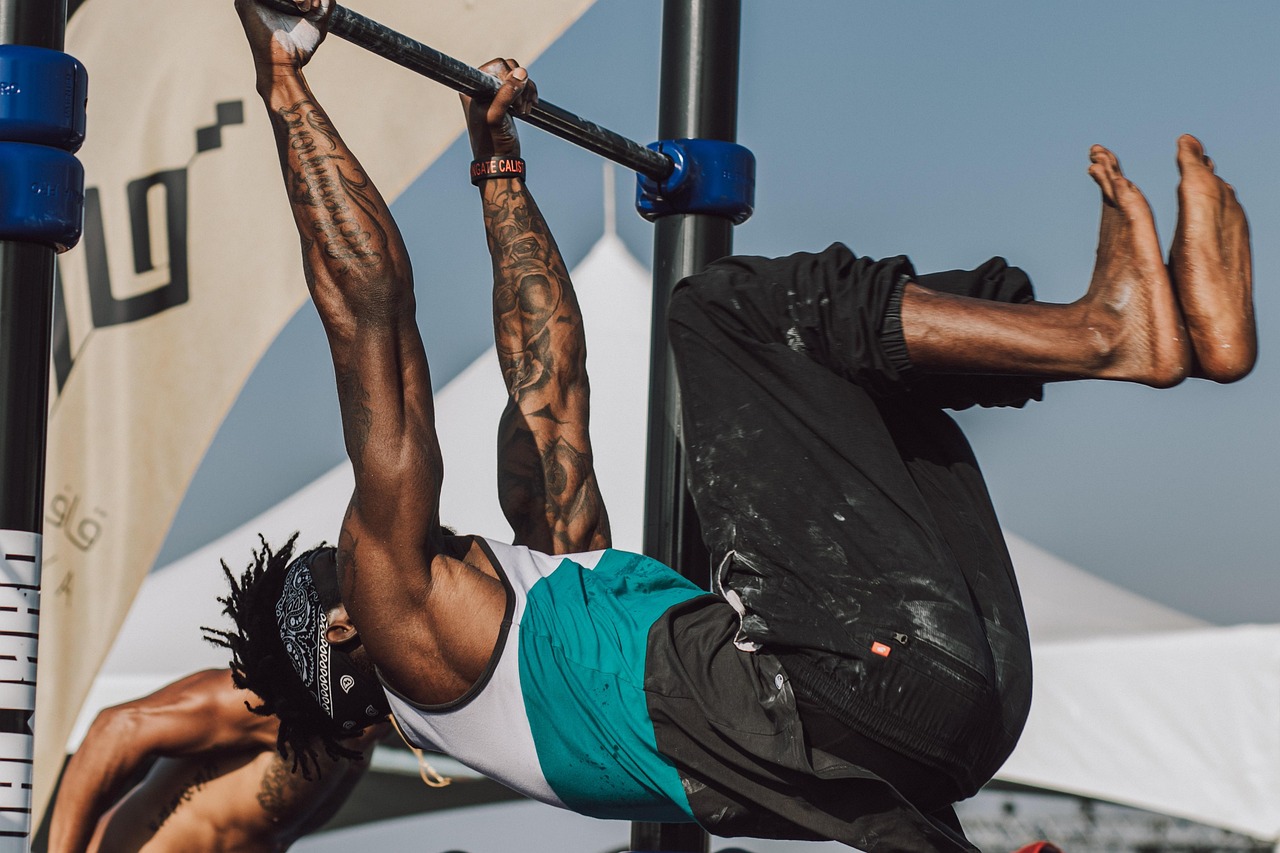

Calisthenics Challenge: Mastering the Muscle-Up Step-by-Step
Muscle-ups are an impressive calisthenics skill that combines a pull-up and a dip in one fluid motion. They require strength, technique, and flexibility, making them a coveted goal for many fitness enthusiasts. If you’re ready to embark on this exhilarating journey, it’s essential to break down the movement into manageable steps. Begin with assessing your current fitness level, as mastering the muscle-up necessitates a solid foundation in basic strength exercises. If you’re not already comfortable with pull-ups and dips, spend time building strength in these areas. Incorporating exercises like rows, push-ups, and negative pull-ups can aid in developing the foundational strength required for muscle-ups. Consistency in training is key, and setting a regular schedule can drastically improve your progress. Additionally, consider dedicating specific sessions solely to practice muscle-up techniques. Focus on proper form and control, as these elements are crucial for executing successful muscle-ups. Remember that patience and perseverance are essential. It might take time to achieve this challenging skill, so celebrate your progress along the way, no matter how small.
Once you have built a solid foundation, the next step in mastering the muscle-up is enhancing your explosive strength and technique. This involves not just pulling your body upward, but also translating that power into a smooth transition over the bar. Start by incorporating explosive pull-ups into your routine. These pull-ups require you to generate maximum upward force, aiming to pull your chest towards the bar or even higher. Another effective exercise is the transition drill, which helps familiarize you with the motion of moving from the pull-up position to a dip position. Hang from the bar and practice shifting your shoulders forward while keeping your grip tight. Gradually, as you grow more comfortable, try performing the transition using assisted bands or a lower bar. Additionally, performing dips with a focus on strength can enhance your overall performance in muscle-ups, allowing you to push yourself up once you’ve transitioned over the bar. Don’t rush this process; the muscle-up is about fluidity and strength combined. Using these techniques regularly will result in measurable gains in your ability to tackle the muscle-up.
Developing Auxiliary Strength and Flexibility
Auxiliary strength exercises and flexibility play critical roles in your journey toward mastering the muscle-up. Initially, focus on building core strength, as a strong core is essential for maintaining body control during the movement. Exercises such as planks, hanging leg raises, and hollow body holds should be integrated into your training sessions. These exercises not only strengthen your core muscles but also improve your overall stability, which is vital during the muscle-up. Alongside core training, don’t neglect shoulder and wrist flexibility. A proper warm-up routine emphasizing mobility in these areas will prepare your body for the dynamic movements involved in muscle-ups. Additionally, incorporating stretching post-workout can help prevent injuries and keep your joints healthy. Work on shoulder dislocates and wrist stretches to enhance your range of motion. By focusing on these auxiliary exercises, you create a robust framework that supports the muscle-up’s biomechanical demands. Remember, flexibility is as important as strength in calisthenics, and the combination will lead to increased performance. Ensuring a holistic approach will positively influence your muscle-up proficiency.
As you continue to improve your muscle-up technique, consider incorporating resistance training to boost your overall strength. Adding weighted pull-ups or dips can significantly enhance your explosive capacity. Start with weights that allow you to maintain proper form and progressively increase them as you grow stronger. Additionally, try implementing negative muscle-ups into your training regimen. These involve starting from the dip position and slowly lowering down into the pull-up position. This eccentric work can build strength in the same muscles used during the muscle-up, beneficial for both strength and technique. Engaging in regular strength training will not only improve your muscle-up progress but will also benefit other calisthenics skills. Consistency in these supplemental exercises is key, and you should seize every opportunity to push your limits safely. It’s important to note that technique matters just as much as strength. Ensuring that every lift, pull, and dip is performed with precision avoids developing bad habits. Regularly video yourself to assess your form and identify areas that need improvement, as this will enhance your muscle-up performance dramatically.
Creating a Structured Training Plan
Having a structured training plan is crucial when aiming to master the muscle-up. First, assess your current fitness level and set realistic goals based on your abilities. This might mean starting with a solid number of pull-ups and dips before even attempting muscle-ups. From there, draft a training regimen that includes strength-building exercises, skill work, and rest days to allow recovery. Aim to engage in muscle-up specific practice at least two to three times weekly. During these sessions, incorporate warm-up routines to prevent injuries, followed by explosive pull-ups, negatives, and transition drills. Focus on technique during each repetition; quality is better than quantity. Ensure you leave ample time for recovery, as muscle growth occurs during rest. Utilize your rest days wisely, employing lighter activities to promote blood flow without straining your muscles. Self-assess regularly to check your progress, which could also mean tracking your abilities in a journal. This structured approach not only streamlines your training but also keeps you motivated as you witness improvements weekly.
With an established routine, you will likely encounter challenges in your muscle-up journey. Plateaus are common in any fitness regimen; however, there are ways to overcome these hurdles. It’s essential not to lose heart during these times. Revisit your training plan and evaluate if you’re pushing yourself enough in strength-building exercises. If you aren’t seeing gains, consider altering your routine to inject new stimulus into your workouts. This could mean experimenting with different variations of the muscle-up or changing grip intervals during your exercises. Another approach is to target supplementary skills that directly affect the muscle-up, such as planche or front lever training. Cross-training can also be beneficial during plateaus, focusing on different fitness modalities like gymnastics or powerlifting. Your mindset plays a crucial role in overcoming obstacles, so keep a positive outlook and remind yourself of your progress. Celebrate small wins along the way, recognizing that each effort you put forth continuously brings you closer to achieving that muscle-up, ensuring that you stay focused on your ultimate goal.
The Importance of Recovery and Nutrition
Recovery and nutrition are often overlooked aspects of any fitness journey. After intense training sessions, your muscles need time to repair and rebuild stronger than before. Incorporating rest days is vital, allowing your body to recover from the stress of workouts. Additionally, consider the role of nutrition by fueling your body with the right nutrients, predominantly focusing on protein intake. Protein assists in repairing muscle tears incurred during training, so aim for a diet rich in lean proteins, healthy fats, and complex carbohydrates. Hydration is equally important, as water aids in maintaining peak performance and recovery. An optimal diet supports your training goals, and meal prepping can help ensure you’re eating adequately. Furthermore, consider incorporating supplements like branched-chain amino acids (BCAAs) or creatine, as they may benefit recovery and performance. Monitor your progress closely, and be mindful of how your body responds to certain foods and supplements. Tailor your nutrition towards what your body finds beneficial to ensure physical gains are maximized. Proper recovery and nutrition will significantly enhance your muscle-up training experience.
Finally, once you achieve your first muscle-up, remember that mastering this skill should not signify the end of your journey but rather the beginning. There’s always room for improvement and refinement. Consider recording videos of your successful muscle-ups to analyze your form and to identify areas where you can improve further. Experiment with different styles, such as strict muscle-ups versus kipping muscle-ups. There’s also the opportunity to enhance the complexity of your training by focusing on variations like one-arm muscle-ups or muscle-ups on rings to challenge your skills. Regularly set new goals that push your boundaries, whether in terms of strength or progression in difficulty. Engaging actively with the calisthenics community can provide support, insight, and inspiration as you refine your skills further. Attend workshops, join online forums, or seek out local calisthenics groups. Encouragement from your peers will keep you motivated as you become increasingly passionate about your training journey. Remember, the muscle-up is just one of many goals you can achieve through disciplined training and a supportive community.