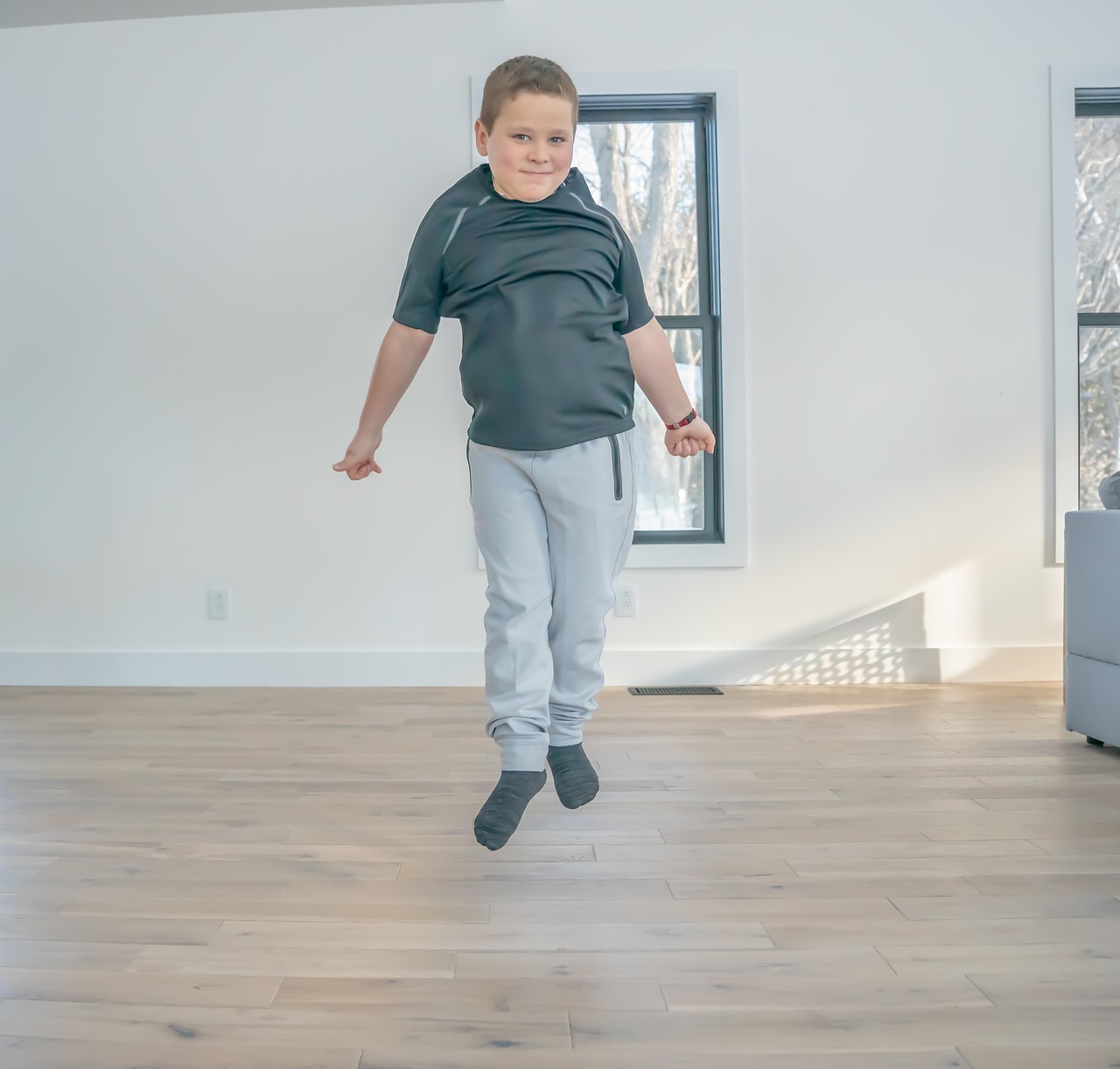

How to Make Fitness Fun for Kids and Youth
Engaging kids in fitness activity can prove beneficial both physically and emotionally. To spark their interest, consider incorporating games into workout routines. Games naturally attract kids and make fitness more enjoyable. For instance, you can set up obstacle courses where children race against one another. Alternatively, group challenges can build camaraderie while promoting teamwork and healthy competition. Another effective method includes adapting traditional sports or exercise styles to suit their interests. If kids prefer dancing, dance offs or aerobic sessions can be a perfect fit to blend fun and fitness. Use upbeat music to motivate them and help improve coordination. Introducing fitness as a family-friendly activity can also strengthen bonds. Parents and guardians can set an example by exercising together with their children. This model behavior is beneficial in encouraging them to develop healthy habits that can last a lifetime. Participation in community sports can also offer enjoyable interactions with peers and enhance social skills. Moreover, consider rewarding kids for participation or achievements to motivate them further. Happy children are more likely to stay committed to their fitness journey when it’s enjoyable and rewarding.
When planning fitness activities for kids, variety plays a crucial role in keeping their attention. It is important to explore numerous activities to discover what resonates with them. Some young individuals may prefer individual sports, like swimming or gymnastics, while others thrive in team-based environments like soccer or basketball. Offering a selection allows children to experiment and find what suits their interests best. Additionally, consider integrating fitness into everyday life. Encourage walking or biking to school rather than using the car, or organizing family hikes on weekends. Making activity a part of the daily routine can create a sense of normalcy surrounding fitness. Consider utilizing technology as a means for motivation. There are various fitness apps designed specifically for kids that encourage healthy habits through fun challenges. These apps often include games, rewards, and tracking features to stimulate progress and engagement. Moreover, creating a supportive environment means offering praise and encouragement. Whatever challenges or milestones kids may achieve, recognize their efforts. This validation can significantly enhance their experience and willingness to engage in future activities. Above all, focus on maintaining a playful atmosphere during fitness sessions to keep the energy high and enthusiasm alive.
Incorporating Play and Creativity
Combining fitness with creativity can yield new ideas that make movement enjoyable for kids. For example, incorporating arts and crafts into fitness tasks can promote both creativity and physical activity. Organizing scavenger hunts where kids must move around to find items naturally interconnects fitness and fun. Integrating storytelling into movement exercises can be particularly engaging. This technique involves creating narratives where kids act out stories using different physical activities. This sparks imagination and encourages children to move more than they usually would. Such connectedness allows them to interact with fitness in a broader context. You might also consider organizing themed fitness sessions. Whether it’s superhero workouts or seasonal activities like outdoor Halloween-themed fitness events, these ideas captivate children’s minds and promote movement. Children dress up and act like their favorite characters, further enhancing their enjoyment. Moreover, community events can provide great avenues to host fitness-related activities infested with excitement. In essence, creativity should take center stage when designing fitness approaches. This unique outlook will help children associate movement positively, ultimately leading to a healthier lifestyle.
Setting goals for fitness can build a sense of achievement among children while making them more motivated to exercise. Goals should be attainable and age-appropriate to guide kids on their fitness journey effectively. You can establish both short and long-term goals, encouraging children to assess their progress regularly. Achieving these mini-goals gives them a sense of accomplishment, which can be rewarding. It is crucial that these targets are not overly focused on weight but rather on skill improvement, increased stamina, or the enjoyment of preferred activities. Celebrate their milestones, no matter how small, to show recognition and encouragement. This recognition boosts their motivation and encourages them to continue striving for better outcomes. Teaching children about the importance of self-care and health through fitness goals also fosters a lifelong appreciation for being active. It helps them understand the value of setting targets in various life aspects, not just fitness. Fostering a mindset that emphasizes striving for petty improvements rather than comparisons against others will alleviate any performance anxiety. Ultimately, when kids see themselves progressing, it solidifies their commitment to fitness, making it a fun and integral part of their lives.
The Importance of Social Interaction
Social interaction plays a significant role in children’s fitness engagement. Working out with friends can make exercise feel less daunting and more enjoyable. Structure social activities around fitness, such as group workouts, team sports, or active playdates. These initiatives offer kids friendship opportunities while promoting health and fitness. Co-participation in physical activities fosters a sense of accountability. Children are likely to attend workouts to meet friends, making fitness more appealing. Many kids will feel more motivated when they know their friends are involved. Fitness groups specifically designed for kids provide structured support and companionship. Consider enrolling children in local sports clubs or fitness camps to boost their skills and confidence further. This exposure may introduce them to various sports, helping them discover new interests. Additionally, leading activities that encourage cooperation and teamwork contributes to the development of social skills. Cooperative games such as relay races or modified team sports can instill both fitness and friendship in a fun way. Moreover, these bonds can positively impact mental well-being, laying crucial foundations for social connections throughout life. Thus, blending fitness and social interaction is vital for a robust approach to motivating kids.
Parental involvement can elevate children’s enthusiasm for fitness, shaping positive habits for the future. When parents actively participate in activities, it validates children’s efforts and strengthens familial ties. Family fitness days or fun-runs can be memorable experiences that any child may cherish. You can incorporate fitness into family traditions, where engaging in physical activities becomes a routine. This approach teaches kids that exercise is enjoyable rather than a chore. Additionally, discussing fitness goals as a family can help reinforce the importance of an active lifestyle. Educate children about the benefits of staying fit and making healthy choices, emphasizing lasting health benefits over vanity. Encourage them to try new activities and allow them to explore talent and interests without pressure. Celebrating their successes fosters a positive mindset toward fitness. Describing various physical activities, being open about difficulties, and sharing personal stories can create an engaging environment that inspires confidence. Ultimately, parents shape attitudes and behaviors surrounding fitness for their children. Therefore, by modeling a healthy lifestyle and demonstrating enthusiasm for activity, parents can significantly motivate the youth towards a lifelong appreciation for fitness.
Creating a Supportive Environment
Creating a supportive environment at home and within your community plays an essential role in motivating kids to exercise. First, communicate openly about fitness in order to demonstrate its significance. When kids see their parents prioritizing fitness, they inherently understand its value. Ensure that the home environment is conducive to physical activity with space designated for exercises or games. Equipping the home with basic exercise gear like yoga mats, balls, and jump ropes can provide opportunities for children to explore various forms of fitness. In addition, make time for family outings that center around active experiences, such as hiking, biking, or visiting parks. This choice not only promotes fitness but also fosters family bonding. Community engagement also plays a pivotal role in motivating kids to stay fit. Involve them in local sports teams or community health programs. Encouraging participation in group events where kids can see peers enjoying fitness can make physical activity socially appealing. Remember, kids thrive in environments filled with encouragement and positivity. By surrounding them with supportive friends and family, children are more likely to stay active while continuing to enjoy the benefits of movement throughout their lives.
Lastly, remember that fun should be the underlying theme throughout any fitness journey. The more enjoyable the experience, the more likely kids will engage in it. Design activities based on their interests, allowing them to take the lead in choosing what they want to pursue. Moreover, try introducing friendly competition in a fun, supportive way. This approach cultivates a spirit of achievement without the pressure of performance. Consider organizing competitions among friends where the focus remains on enjoyment rather than winning. This creates an inclusive atmosphere that accommodates everyone regardless of their abilities. Emphasizing participation over achievements instills a love for movement without hindrance. Additionally, founders should always remind kids that making mistakes or trying something new is part of the learning curve. Enabling them to embrace this concept will foster resilience. Fitness does not require perfection; it’s about progress and enjoying the experience. By championing a culture where fun prevails, parents and mentors can guide kids toward sustainable fitness habits. Ultimately, motivating kids to exercise is all about making it an enjoyable part of their everyday lives, blending physical activity with fun, creativity, and connection.