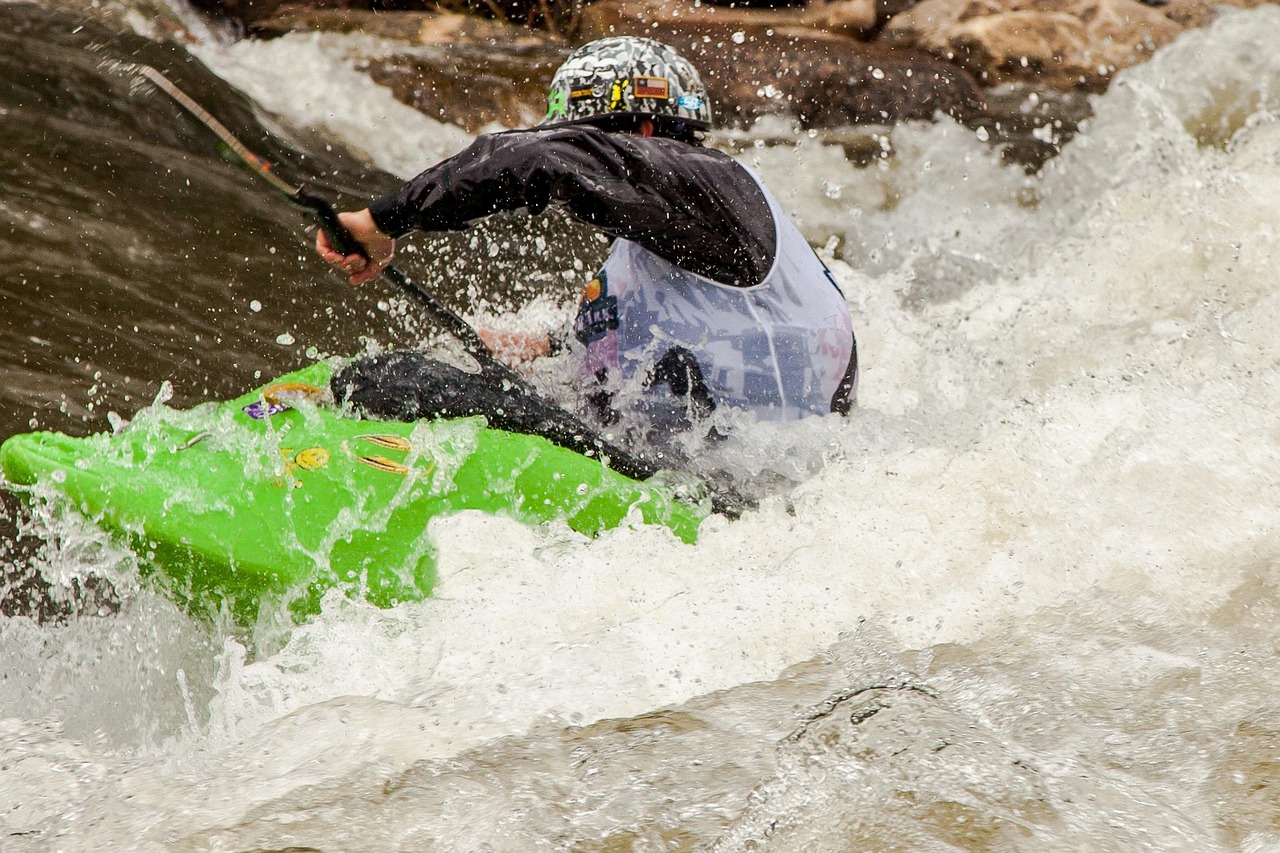

Learning from Mistakes: Common Whitewater Kayaking Errors
Whitewater kayaking is an exhilarating sport that presents both challenges and learning opportunities. Many beginners make critical errors that can hinder their progress. An initial mistake is not properly assessing the water conditions before heading out. Understanding river dynamics such as currents, waves, and hazards ensures better preparedness. Furthermore, another common error is using gear that does not suit one’s skill level or the river’s difficulty. Kayakers should invest in appropriate equipment for safety and performance. Failure to wear proper Personal Flotation Devices (PFDs) is another grave mistake; safety gear should always be prioritized. Additionally, a lack of communication with fellow paddlers can lead to misunderstandings and dangerous situations. Establishing clear signals or discussing routes beforehand keeps everyone on track. Beyond technical errors, mental preparation is vital; fear or overconfidence can adversely affect decision-making. Lastly, neglecting to practice rescue techniques can lead to serious consequences; practicing these skills can save lives. Every error presents an opportunity to learn and improve. By recognizing and addressing these common mistakes, paddlers can enhance their skills and enjoy the thrilling experience that whitewater kayaking offers.
Essential Techniques and Adjustments
One important aspect of whitewater kayaking is mastering essential techniques, which can significantly improve a kayaker’s performance. Beginners often make the mistake of paddling with excessive force, leading to inefficient strokes and increased fatigue. Instead, focusing on technique and efficient body positioning allows for smoother navigation. Additionally, many new kayakers struggle with proper weight distribution in the kayak. Incorrect weight distribution can affect stability and maneuverability, potentially causing capsizing. Understanding how to shift weight appropriately is crucial. Another error relates to the paddler’s approach to obstacles; many simply try to paddle around them. Instead, mastering techniques such as edging and lean-in can enhance navigation through challenging whitewater. Moreover, gear maintenance is often overlooked; ensuring that paddles and kayaks are in good condition prevents accidents. New paddlers might disregard the significance of body language and communication with fellow kayakers during a trip. Clear communication ensures safety and enhances the overall experience. Lastly, consistently practicing these techniques will foster improvement. Regular practice, coupled with proper techniques, will elevate the kayaking skills of any beginner, leading to more enjoyable and exhilarating experiences.
Proper guidance and training can significantly influence the development of a novice kayaker. A common mistake is attempting to learn whitewater techniques without an instructor or mentor. While online resources are helpful, enrolling in classes or seeking guidance from experienced paddlers can provide context and real-time feedback. Another frequent error is underestimating the importance of physical fitness. Kayaking requires strength, endurance, and flexibility; beginners should focus on building these attributes through cross-training or conditioning exercises. Additionally, many new kayakers ignore the significance of warm-up routines; warming up prevents injuries and improves performance on the water. Safety also plays a pivotal role; not properly studying the river beforehand can result in navigating dangerous sections. Learning how to read the water not only ensures safety but enhances the experience of the trip. Furthermore, many kayakers forget to check the weather before heading out, which can lead to unforeseen dangers. Lastly, failing to reflect on personal experiences can stall progress. Keeping a journal of outings, analyzing mistakes, and celebrating achievements can help paddlers grow in their skills and confidence over time. A reflective practice solidifies learning and fosters improvement in the kayaking journey.
The Significance of Safety Precautions
Safety precautions are paramount in whitewater kayaking, and many paddlers overlook their importance, leading to potentially disastrous outcomes. A prevalent error is not conducting thorough pre-trip safety checks; this includes ensuring gear is in optimal condition and that all safety equipment is accessible. Paddlers should always pack essential items such as gloves, helmets, and first-aid kits to prepare for emergencies. Furthermore, forgetting to inform someone about your paddling plans can be a crucial mistake; proper planning ensures help is available if needed. Many kayakers neglect to familiarize themselves with local water safety regulations, which can lead to penalties or hazardous situations. Keeping a close eye on fellow paddlers’ skills is vital for group safety; recognizing a teammate’s limitations can prevent risky maneuvers. Additionally, not routinely practicing self-rescue techniques poses a significant risk. Developing these skills through drills can prepare paddlers in case of capsizing. Ensuing this preparation ensures a safer experience. Lastly, always having a designated leader during group outings can assist in navigating challenging sections and ensuring someone is overseeing the entire group’s safety. Staying vigilant and adhering to these safety guidelines can save lives.
Another essential aspect of whitewater kayaking is the understanding of hydrodynamics that affect the kayak’s movement in the water. Many new paddlers make the mistake of not paying attention to how water flows. Learning to read a river’s features can help kayakers anticipate waves, eddies, and obstacles, allowing for smoother navigation. Additionally, many beginners underestimate the importance of balance when maneuvering through rapids. Properly distributing weight while paddling will enhance control and stability. Understanding how to use a kayak’s edges will allow paddlers to carve and turn more effectively, especially in tumultuous water. Moreover, failing to adjust strokes based on river conditions is a common mistake. Paddlers must adapt their techniques to varying currents to maintain a suitable pace while navigating. Beginners often stick to familiar strokes, without recognizing the need for varied strokes in challenging environments. Also significant is the kayaker’s mindset towards challenges. Fear of failure can restrict growth; embracing mistakes as learning experiences promotes resilience and improvement. This perspective shift will not only better skills but will also enrich the overall experience of every kayaking adventure. Monitoring progress enables long-term growth, ultimately leading to a more successful kayaking journey.
Building Stronger Skills Through Practice
Practice plays a vital role in the development of any kayaker, and it is especially true in the realm of whitewater kayaking. Many novices make the error of not setting aside dedicated practice time, believing that occasional trips suffice. Consistent practice leads to better muscle memory and increased confidence in navigating diverse water conditions. Furthermore, a significant mistake is neglecting to simulate challenging scenarios during practice sessions. Practicing in controlled environments helps to prepare paddlers for unexpected encounters on the river. Many beginners may also avoid focusing on areas needing improvement, resulting in stagnant skills. Understanding personal weaknesses allows kayakers to address gaps effectively. Moreover, some paddlers feel intimidated by more experienced kayakers and, as a result, shy away from group practices. Teaming up with others encourages growth and provides valuable feedback. Additionally, many overlook the significance of dry-land training, which can further enhance physicality and familiarity with paddle techniques. This supplemental training allows kayakers to strengthen coordination and build endurance. Lastly, recording practice sessions can help paddlers analyze performance and track progress. Tracking improvements is motivating, leading to enhanced skill development over time.
The journey of learning whitewater kayaking involves awareness and adaptability; many paddlers make mistakes in their learning methods. One typical error is sticking to a single learning resource, such as books or videos; diversifying resources can provide a more comprehensive understanding. Practicing alongside various skill levels can also offer new perspectives and techniques. Additionally, many novices practice in environments that are too advanced for their current skills. It is crucial to match practice locations to one’s level to facilitate safe learning opportunities. Another common mistake is rushing progression; learners should focus on mastering foundational skills before tackling advanced maneuvers. Many paddlers would also benefit from regular assessments of their skill and knowledge by peers or instructors. Constructive feedback offers insights for improvement. Moreover, fear of capsizing can prevent paddlers from fully engaging with the experience; developing practice techniques for controlled capsizing can build confidence. Another significant misjudgment is overlooking the enjoyment aspect of the sport; maintaining a positive attitude and having fun encourages perseverance. Lastly, those starting should remember kayaking’s community aspect, learning to connect with others on the water. Engaging with fellow enthusiasts fosters camaraderie, support, and continued learning throughout their kayaking journey.
Conclusion: Embracing Mistakes for Growth
Ultimately, the process of learning whitewater kayaking is filled with trials and errors. Beginners must understand that making mistakes is an integral part of growth in this thrilling sport. Recognizing common errors and addressing them proactively will help paddlers experience safer and more enjoyable trips. Moreover, creating a habit of reflection after each outing is vital; this enhances retention of lesson and allows kayakers to adjust their techniques accordingly. Embracing mistakes fosters a deeper connection between paddlers and the elements of nature. Additionally, seeking feedback from experienced kayakers can expedite the learning process; seasoned paddlers can provide unique insights based on their experiences. Newcomers should remember to focus on continual improvement, set realistic goals, and celebrate their progress, no matter how minor. Engaging with the kayaking community is another way to foster growth. Participating in workshops, events, or social gatherings can provide further skills development and build lasting friendships. Though the learning curve may be steep, the rewards of mastering whitewater kayaking are immense. This sport combines adventure, camaraderie, and the beauty of nature, making every paddling experience worthwhile. Mistakes are merely stepping stones to becoming a better paddler.