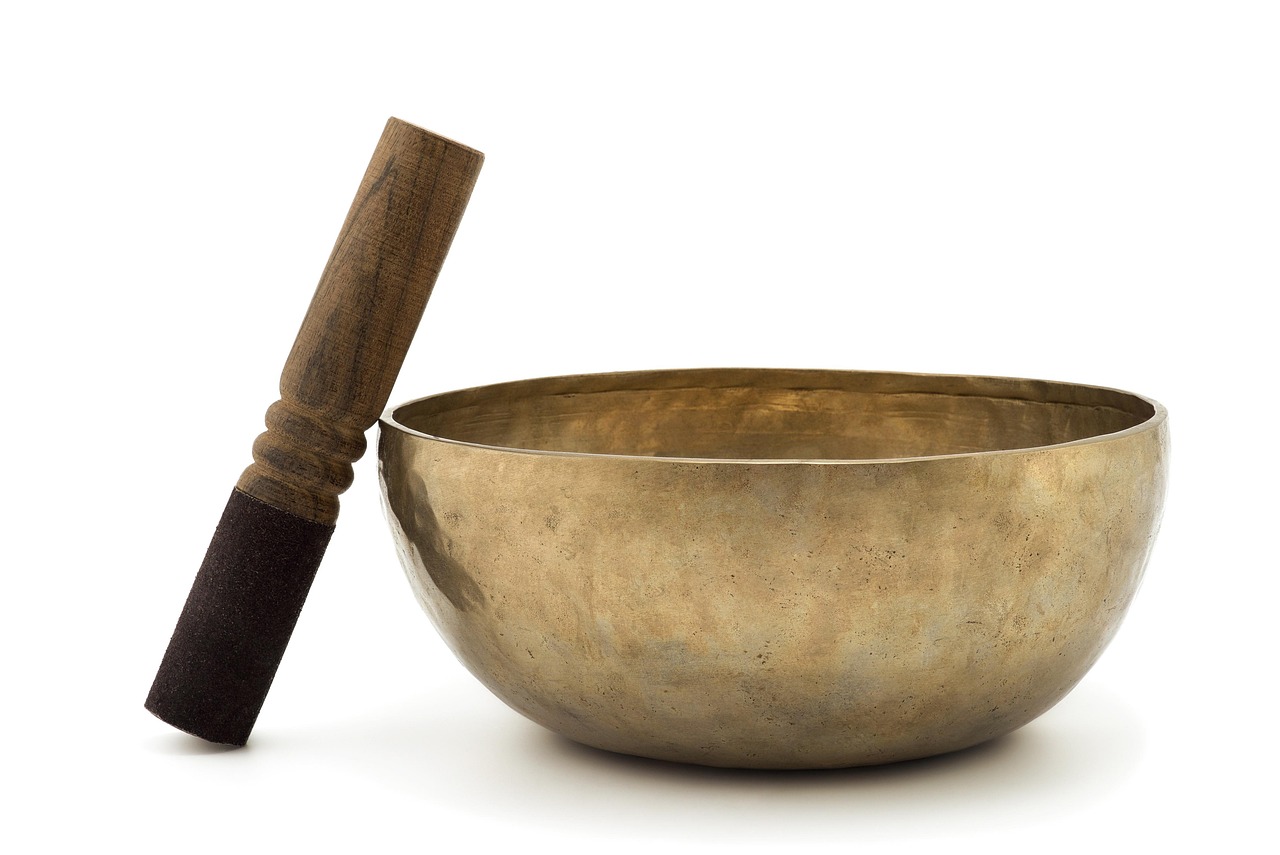

Meditation Music for Healing and Energy Balancing
Meditation music plays a crucial role in achieving deep relaxation and mental clarity. It’s specifically designed to elevate your mood while promoting healing throughout your entire body. Through the gentle and soothing sounds often found in healing music, individuals can experience a profound shift in their emotional and spiritual state. Many studies have shown that the right type of music can aid in reducing stress, anxiety, and even physical pain. By incorporating meditation music into your routine, whether during a session or as background ambiance, you can enhance your overall experience and effectiveness. Healing music may include a variety of sounds, from nature sounds to soft instrumental pieces, each targeting specific healing properties. It assists in balancing the body’s energy and promoting harmony within oneself. This not only boosts physical health but enhances mental wellbeing. To experience these benefits, dedicate a time each day to listen to music specifically tailored for meditation. Over time, you will notice how it positively affects your state of mind, allowing you to deepen your meditation practice and maintain a calm atmosphere.
Types of Meditation Music
There are numerous types of meditation music available, each catering to various needs and preferences. Some options include ambient sounds, binaural beats, and nature sounds. Ambient music typically features gentle melodies that fill the space around you, making it conducive for relaxation and reflection. Binaural beats, on the other hand, involve two different frequencies played in each ear, leading to brainwave entrainment and inducing specific mental states. Nature sounds, like flowing water, birds chirping, or wind rustling, can create an immersive experience, connecting you with the earth while soothing your mind. All of these types can serve different purposes in meditation. For example, you might choose nature sounds for a grounding experience or ambient music for deeper concentration. Meditation music can enhance your meditation, leading you to better emotional balance and clarity. Selecting the appropriate style can affect your experience significantly, so consider experimenting with different types. Ultimately, the goal is to find what resonates with you and complements your meditation practice effectively, thus enhancing your healing and energy balancing.
While many gravitate toward music specifically composed for meditation, incorporating various genres can also be beneficial. Classical music, especially pieces with piano and strings, can aid in relaxation due to their soothing melodies. Conversely, more rhythmic tunes can energize a session, especially when practicing moving meditations like Tai Chi. The key is to select music that promotes the ambiance you desire during your practice. It’s essential to establish a connection with the music you choose, as this can deepen your experience and foster emotional healing. Many meditation practitioners create playlists that help guide their sessions, alternating between calming pieces for relaxation and uplifting tracks for motivation. This balance serves to harmonize the energies within, allowing transformation to take place. Additionally, access to countless streaming platforms has made discovering diverse sounds more convenient than ever. It’s crucial to note that the effectiveness of the meditation music often relies on personal taste and familiarity. Experiment with various options and find what speaks to you, contributing positively to your journey of healing and energy balancing.
Benefits of Meditation Music
Listening to meditation music can provide various benefits, significantly enhancing your healing process. Firstly, it serves as an incredible stress reliever. As you immerse yourself in soothing sounds, your body naturally reduces levels of cortisol, the stress hormone. This leads to decreased anxiety and generally fosters a sense of calm. Furthermore, the vibrations produced by specific frequencies can also promote physical healing, allowing the body to restore itself naturally. Research has shown that patients who listen to calming music tend to heal faster post-surgery compared to those who do not. It elevates mood, thus allowing for a more positive outlook on life. Additionally, regular exposure to meditation music can help improve focus and mental clarity, optimizing productivity in your daily life. As a result, you may find yourself more aware and conscious of your thoughts, fostering personal growth. Music is also therapeutic, aiding emotional release during sessions. For many, it acts as a conduit for internal reflection and processing emotions. Harnessing these benefits can create lasting improvements in your health and overall sense of wellbeing.
Many individuals overlook the aspect of intention when utilizing meditation music. Before commencing a session, set a clear intention regarding what you hope to achieve during that time. This could include letting go of negative energy, seeking emotional healing, or balancing your energy centers. Your intention will greatly influence your experience. Focused intent, combined with the power of music, can significantly amplify your efforts during meditation. Consider creating a ritual surrounding your meditation practice, incorporating specific types of music that align with your goals. For example, if your aim is to release trapped emotions, select music that resonates with healing energies specifically designed for emotional release. Alternatively, if you seek to cultivate positive energy, choose uplifting tracks. Establishing this connection with your music and your intent may transform your meditation into a potent tool for healing and transformation. Furthermore, journaling your experiences post-meditation can lead to deeper insights about your journey. By reflecting on shifts you observe, you can fine-tune your approach, ultimately bringing you closer to your goals.
Creating a Meditation Space
Creating a designated meditation space can enhance your experience significantly. When this area is specifically designed for relaxation and introspection, it helps reinforce a meditative state. Choose a location in your home that feels comfortable, quiet, and free of distractions. Decorate this space with items that bring you peace, such as plants, candles, and soft fabrics. The presence of calming visuals and scents can prepare your mind to enter a meditative state easily. Having your meditation music ready in this space adds to the overall ambiance. Use speakers or headphones to enable high-quality sound. If possible, consider incorporating elements such as crystals or sacred objects that enhance the energy of the area and amplify the effectiveness of your meditation practice. Light dimmers or soft lighting can also help create the right atmosphere. Regularly utilizing this space will signal your brain that it’s time to slow down and turn inward, fostering a deeper connection to your practice. Make sure to keep this space organized and inviting, so it continually inspires you to meditate.
Lastly, remember that the journey of incorporating meditation music into your life is a gradual process. Be patient with yourself, and allow your preferences to evolve over time. Initially, finding the right tracks may take time, as personal taste plays a crucial role. Engage with different sounds, genres, and rhythms until you discover what resonates most. Often, what feels right today might change as your practice matures. Regularly evaluate the impact of each music selection on your meditation sessions, adjusting choices accordingly. Whether you choose to participate in guided meditations, listen to calming instrumental pieces, or even create your own mixes, the experiment is valuable. It’s important to emphasize that consistency is key, and success may not appear instantly—results accumulate over time. Stay committed to your practice and make adjustments as necessary. Above all, allow yourself to enjoy the journey. By embracing music’s transformative power, you open yourself up to profound healing and energy balance. Consequently, you will cultivate a deep connection with yourself and foster a fulfilling meditation practice.