
Mindfulness Strategies for Emotional Control in Sports
Emotional regulation is paramount for athletes, influencing performance significantly. Mindfulness is a powerful strategy that helps in achieving emotional control. It encourages athletes to stay present, allowing them to respond to their emotions rather than react impulsively. Utilizing mindfulness techniques entails acknowledging feelings without judgment. This practice opens pathways to better emotional resilience, ultimately enhancing overall performance. Athletes learn to identify their feelings early and use them to their advantage. For example, deep breathing exercises can calm anxieties before competition. Furthermore, it promotes focus, allowing individuals to hone in on their tasks at hand. This increased focus is achieved through heightened awareness of one’s thoughts and feelings, ensuring distractions are minimized. Journaling can also be beneficial, offering athletes a chance to articulate emotional experiences and reflect on them. Regularly engaging in mindfulness practices cultivates a deeper connection between mind and body. Consequently, athletes can approach challenges and setbacks with a clearer perspective. This clarity fosters a sense of control, enhancing confidence during both practice and competition. Incorporating these mindfulness strategies can lead to substantive improvements in both emotional well-being and sports performance.
To integrate mindfulness strategies effectively, athletes should establish a consistent routine. Routine plays a crucial role in habitual practice, making mindfulness a reflexive behavior. Athletes can begin with a few minutes of mindfulness meditation daily, focusing solely on their breath. Over time, they can gradually increase the duration, enhancing their ability to remain present. The environment also matters; choosing a calm and quiet space helps facilitate better focus. Once comfortable with meditation, incorporating mindfulness into training sessions can be highly effective. During practice, athletes can apply mindfulness techniques while executing skills or drills. They should focus entirely on the task, becoming aware of their thoughts and feelings without getting lost in them. This skill can also be applied during competitions. When faced with pressure or distractions, athletes can draw upon their mindfulness practice to maintain emotional stability. Maintaining composure during high-stakes moments is crucial for optimal performance. Additionally, developing a mindfulness support system, such as working with a sports psychologist, can further reinforce these strategies. Collaborating and sharing experiences with fellow athletes can boost accountability, fostering a collective journey towards emotional regulation.
Acknowledge Your Emotions
A critical aspect of mindfulness is acknowledging emotions as they arise. Athletes often feel a rush of emotions during competitions—from excitement to anxiety—which can influence their performance. Recognizing these emotions empowers athletes to manage them constructively. When an athlete feels nervous, instead of suppressing those feelings, they should acknowledge them openly. This acceptance allows them to shift their focus away from unproductive thoughts, turning their attention towards what they can control, such as their breathing and game plan. Noting down emotions in a journal afterwards helps solidify this understanding, reinforcing the notion that it is entirely normal to experience such feelings. Furthermore, acknowledging emotions can involve discussing them with coaches or teammates, creating a supportive network of understanding athletes. Engaging in these conversations can reduce the stigma surrounding emotional struggles in sports, fostering a strong team culture. Emotional acknowledgment also aids in learning from past experiences, enhancing future preparedness. Reflecting on performances, whether positive or negative, equips athletes to face future challenges with confidence. Emotions, when properly understood and addressed, can become tools instead of hindrances, ultimately leading to improved performance outcomes.
Visualization techniques are other effective mindfulness strategies that can help athletes enhance emotional control. By vividly picturing themselves performing well under pressure, athletes train their minds to remain calm and composed when it truly counts. This mental imagery aids in reducing anxiety levels and boosts overall self-efficacy. Visualization can be a powerful tool during relaxing moments, guiding athletes to channel their inner focus and motivation. Techniques can include imagining stepping onto the field with complete confidence, executing successful plays, and celebrating victories. Each positive mental rehearsal directly influences an athlete’s emotional state, forming neural pathways that prepare them for actual performance situations. To deepen their visualization success, athletes should utilize all five senses to make their mental images as realistic and vivid as possible. This practice solidifies the emotional connections necessary to embrace challenging scenarios. However, maintaining realistic expectations during practice is crucial. For instance, athletes should focus on incremental goals rather than perfection, as emotional regulation is about progress, not perfection. Thus, visualization becomes powerful, preparing them for competition while instilling a sense of emotional balance beforehand.
Emotional Regulation Through Breathing Techniques
Breathing techniques serve as a fundamental mindfulness strategy, vital for emotional regulation. When athletes manage their breath, they influence their physiological state, promoting relaxation and reducing anxiety levels. Controlled breathing can help them regain focus during moments of heightened pressure. For instance, practitioners of various sports should practice the 4-7-8 breathing technique, inhaling deeply through the nose for a count of four, holding for seven, and exhaling through the mouth for a count of eight. This method calms the nervous system and fosters concentration, beneficial before competitions or critical situations. Another technique involves diaphragmatic breathing, which encourages deeper breaths and a greater oxygen supply, enhancing cognitive function. Athletes can incorporate these techniques not only during practice but also during competitions, providing an effective tool for immediate emotional management. In combination with mindful awareness, these breathing exercises can restore emotional balance, enabling individuals to respond to pressure with clarity rather than overwhelm. Repeating these practices consistently will further reinforce their effectiveness, leading athletes towards optimal emotional control and superior sports performance.
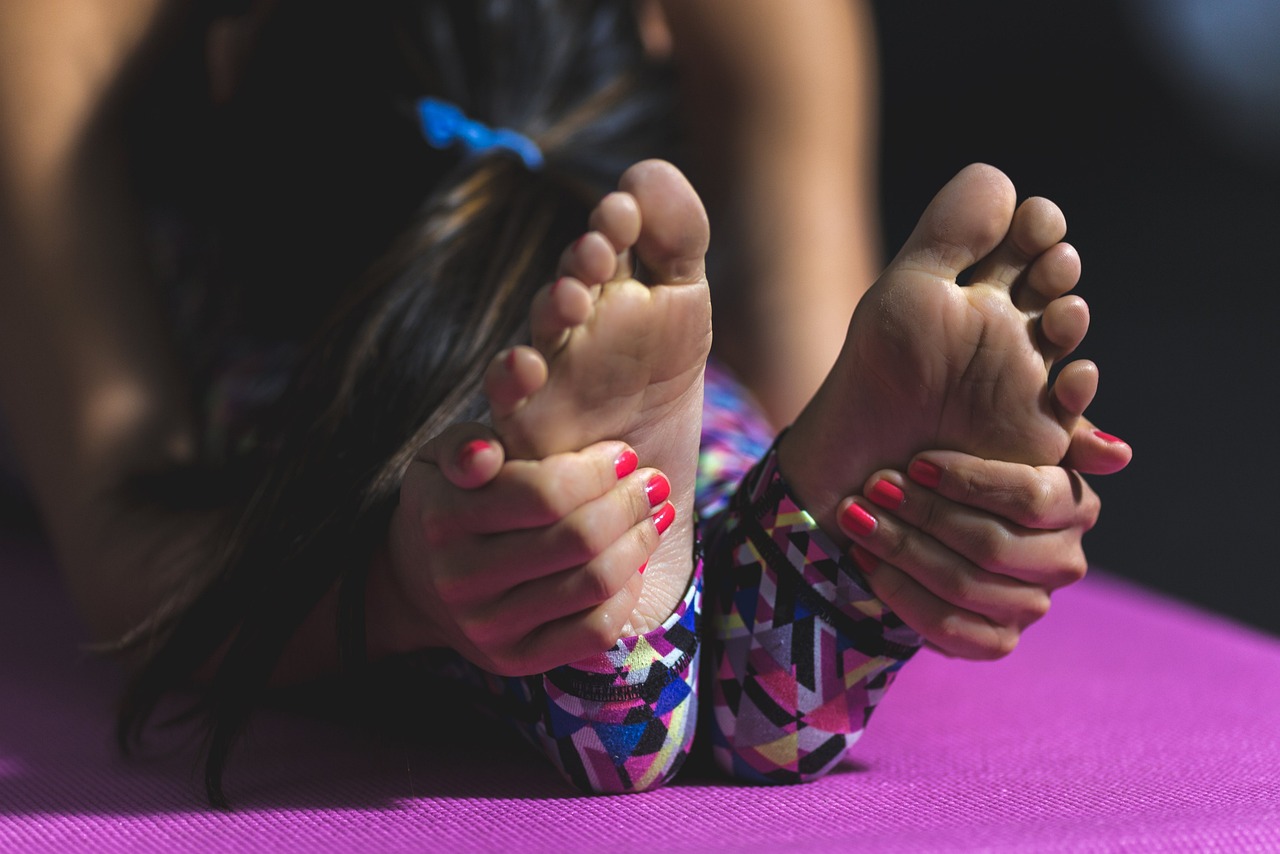
Incorporating mindfulness through physical activities can also cultivate emotional regulation. Activities such as yoga and tai chi are known to enhance both physical and mental well-being, harmonizing the mind-body connection. These practices promote relaxation, mindfulness, and emotional clarity, essential for athletes facing high-pressure situations. They enhance flexibility, strength, and focus while simultaneously providing emotional resilience. By participating in such activities, athletes engage in movements that synchronize with their breathing, allowing them to feel more grounded and present. Additionally, group classes serve as a supportive setting for athletes, fostering connection with others who share similar experiences. These interactions help dismantle feelings of isolation or pressure. Embracing community during yoga or tai chi classes encourages accountability and persistence among participants. Consistent engagement in these practices can also be an excellent alternative to more traditional training, offering balance and rejuvenation to athletes’ routines. Furthermore, the tranquil environment found in these classes allows for deeper reflection on emotional state, enabling individuals to assess feelings without judgment. Thus, physical mindfulness helps craft more resilient athletes, upholding emotional control throughout their sporting journeys.
Conclusion and Applying Mindfulness in Sports
In summation, utilizing mindfulness strategies for emotional control is essential in the realm of sports psychology. Athletes must recognize the critical link between emotions and performance to excel in competitive settings. By incorporating mindfulness techniques—such as acknowledgment, visualization, breathing practices, and mindful physical activity—athletes can transform their emotional landscape significantly. The ongoing practice offers tools for effective emotional management, fostering resilience and focus amidst pressure. Each strategy, from breath control to visualization, arms athletes with practical skills to navigate their emotional responses constructively. While the journey towards better emotional regulation may be challenging, the benefits reaped in both training and competitive contexts are immeasurable. Consistency is key; thus, dedicated practice can solidify these skills into athletes’ routines and develop deeper emotional intelligence. This process not only enhances on-field performance but also enriches overall mental well-being. Athletes are encouraged to seek support through coaches, peers, or sports psychologists to further sharpen their mindfulness practices. Ultimately, mastering these emotional regulation techniques can pave the way for enhanced success within the sporting arena, leading to fulfilling athletic careers.
By practicing mindfulness strategies, athletes gain a unique advantage, positioning themselves for optimal performance under pressure. The skills developed serve to enhance not only their sports practice but their overall quality of life. This emotional intelligence fosters a holistic approach to sports and personal challenges alike, instilling a sense of self-awareness that enriches many areas. Mindfulness, therefore, is not just a tool for emotional control; it’s a comprehensive strategy for resilience and growth applicable throughout life.