
Sports Medicine Approaches to Managing Arthritis in Athletes
Arthritis can be a debilitating condition for athletes, affecting their performance and overall well-being. In sports medicine, various approaches are utilized to manage arthritis effectively. Firstly, it’s critical to understand the type of arthritis affecting the individual athlete, as treatment may vary significantly. Osteoarthritis, rheumatoidal arthritis, and other forms require tailored strategies. Treatment often begins with proper diagnosis through imaging and physical examinations. Athletes are encouraged to consult specialists who understand both the sports and the specific needs of their conditions. Furthermore, ongoing assessment is necessary to adjust treatments effectively over time. Medications such as non-steroidal anti-inflammatory drugs (NSAIDs) may be used to alleviate pain and inflammation. In some cases, corticosteroid injections might be applied for localized relief. Physical therapy plays a crucial role in maintaining joint mobility and strength, with exercises tailored to individual capabilities. Lastly, lifestyle modifications, including diet and weight management, can importantly reduce joint stress. Implementing these tactical approaches can significantly enhance an athlete’s quality of life, allowing them to manage arthritis while still pursuing their passion for competitive sports.
Indeed, research shows that staying active is essential for managing arthritis. Structured exercise regimens enable athletes to strengthen muscles, improve flexibility, and maintain joint function. Sports medicine professionals typically design customized programs that consider the athlete’s specific sport, injury history, and current physical condition. Resistance training and flexibility exercises are vital components of these programs as they promote better joint mechanics and reduce pain. Low-impact activities such as swimming or cycling can be beneficial alternatives to reduce stress on arthritic joints. Regular exercise also aids in maintaining a healthy weight, which is crucial for minimizing the strain on weight-bearing joints. The importance of proper warm-up and cool-down routines cannot be overstated, as they reduce the risk of exacerbation. Coaches and trainers must be educated on these strategies to support their athletes. Moreover, integrating joint supplements like glucosamine and chondroitin may provide additional comfort, although they should be discussed with a healthcare provider first. By adhering to a comprehensive management plan, athletes can lead active lives despite their arthritis symptoms, embodying resilience in the sporting world.
Nutrition and Arthritis Management
Nutrition plays a pivotal role in managing arthritis for athletes. A well-balanced diet rich in anti-inflammatory foods can significantly affect joint health and overall physical performance. Athletes should emphasize an intake of omega-3 fatty acids found in fish, nuts, and seeds, as these nutrients have been demonstrated to reduce inflammation. Additionally, fruits and vegetables, particularly those high in antioxidants, can bolster the body’s defense against oxidative stress. Foods like leafy greens, berries, and citrus fruits should be prioritized in daily meals. Adequate hydration is equally important, as dehydration can exacerbate joint pain and stiffness. Maintaining a healthy body weight through nutritional choices helps mitigate the strain on joints, especially for those participating in high-impact sports. It is advisable for athletes to limit their consumption of processed foods and sugar, which can lead to increased inflammation. Furthermore, regular consultations with a sports nutritionist can help tailor dietary plans suitable for individual needs. The right nutritional strategies complement physical interventions, creating a holistic approach to arthritis management and athletic success.
In addition to nutrition, mental health plays a significant role in managing arthritis for athletes. The psychological impact of dealing with a chronic condition can lead to anxiety and depression, which negatively affect physical performance. Sports psychology can be instrumental in helping athletes adjust their mindset towards managing their condition. Techniques such as mindfulness, visualization, and goal-setting can enhance mental resilience. Coaches and sports teams should provide support systems to foster a healthy environment, encouraging athletes to share their experiences and challenges. Open dialogue about mental health can significantly reduce stigma and promote a culture of understanding. Participation in support groups specifically for athletes with arthritis may also provide valuable community support. Moreover, athletes must practice self-advocacy when discussing their condition with coaches and trainers. This ensures they receive appropriate accommodations and necessary modifications in training. Encouraging a positive mindset and providing mental health resources are as crucial as physical treatment. By integrating psychological support into the overall management plan, athletes can maintain a balanced focus and pursue their athletic goals despite the challenges of arthritis.
Preventative Strategies
Preventing arthritis-related issues is another critical focus in sports medicine for athletes. This includes educating athletes about proper techniques and safety measures during training and competition to minimize joint stress. It is essential to implement strength training routines that not only enhance performance but also protect against injuries that could exacerbate arthritis. Coaches, trainers, and teams must emphasize warm-ups, cooldowns, and the importance of recovery time. Adequate rest is crucial to allow joint tissues to heal and recover from training stresses. Athletes with existing joint issues should adopt more preventative strategies, including the use of appropriate gear, such as supportive footwear and braces. Additionally, regular check-ups with a sports medicine specialist should be prioritized for early detection of joint problems. Staying informed about the latest research and available treatments can empower athletes to make proactive decisions regarding their health. Furthermore, creating a culture of injury reporting within teams can ensure athletes receive timely intervention when symptoms arise. Addressing joint health proactively will sustain a longer athletic career while enhancing performance capabilities.
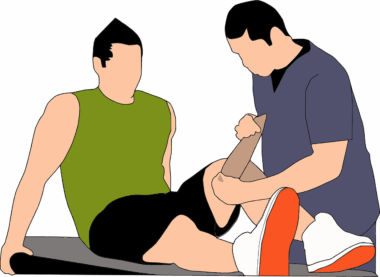
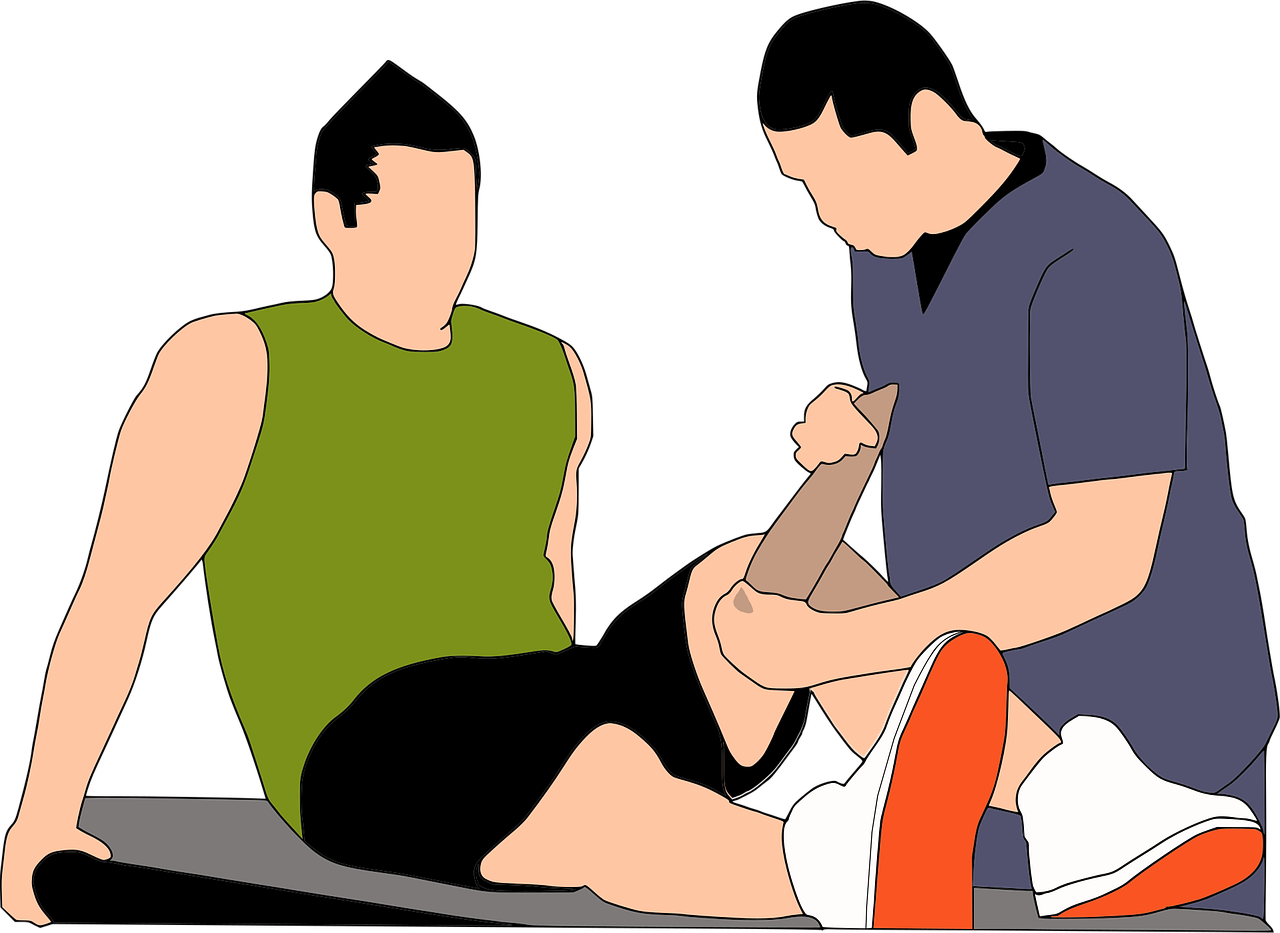
As we turn to rehabilitation strategies for athletes with arthritis, it’s vital to note the role physical therapy plays in recovery. Rehabilitation focuses on restoring function, decreasing pain, and improving overall mobility. Custom-tailored rehabilitation programs incorporate specific exercises to strengthen affected joints and support surrounding muscles. Modalities such as ultrasound or electrical stimulation may also be included to manage pain effectively. Collaboration between physical therapists and sports medicine professionals ensures a comprehensive understanding of the athlete’s specific grievances. One-on-one sessions can provide personalized attention, focusing on targeted exercises ideal for the condition. Additionally, aquatic therapy is frequently recommended, as water provides a low-impact environment where joints experience less strain. As athletes progress, a gradual return to sport-specific activities is crucial in the rehabilitation process. Monitoring each phase allows therapists to adjust the plan based on how well the athlete is responding. Education about self-management techniques post-rehabilitation is equally important, empowering athletes to take charge of their recovery. By educating and assisting rehabilitating athletes, we help them regain confidence to continue competing effectively.
Conclusion
In conclusion, managing arthritis in athletes through sports medicine requires a multidimensional approach. Comprehensive strategies encompassing medication, physical therapy, nutrition, mental health, and preventive measures play critical roles in enhancing athletes’ quality of life. Collaboration among various professionals, including trainers, physicians, and nutritionists, is essential in crafting an individualized plan. Maintaining open communication with patients allows practitioners to address complexities and concerns effectively. Importantly, athletes must take a proactive stance towards their health, utilizing available resources and education at their disposal. Participation in research studies or clinical trials can also provide opportunities for cutting-edge treatments previously unavailable. Athletes with arthritis can continue to thrive in their respective sports through the application of an informed and holistic approach. Resilience and dedication are key themes for those facing chronic conditions; management strategies can empower continued participation and performance. With the right network of supporters and strategies, athletes can navigate their environments and cherish their love for sports while maintaining their health and competitiveness on the field. Empowering athletes through informed choices is vital for long-term success despite arthritis challenges.