
Training Outdoors vs Indoors: Precision Jump Considerations
Precision jumps are a core part of parkour and freerunning, greatly affecting overall performance. Training indoors provides controlled environments, minimizing distractions and unpredictable obstacles. Structures within indoor parks are designed for safety, allowing for perfect execution of jumps. Soft surfaces and padded walls reduce injury risk, which is crucial for beginners learning the basics. In contrast, outdoor training presents unique challenges, offering diverse surfaces like concrete, grass, or dirt. Practicing these jumps outdoors allows for adaptation, as each jump may demand a different approach. However, environmental factors such as weather can impact training sessions. Rain, snow, or wind could increase risks and hinder performance, making consistency hard to achieve. Additionally, outdoor locations can be prone to distractions such as bystanders or uneven terrain, thereby complicating one’s focus. Ultimately, the choice between indoor and outdoor training hinges on individual goals. If mastering precision jumps in varied environments, outdoor training excels with practical scenarios. For foundational skills and controlled practice, indoor training emerges as the favored choice. Each training style provides valuable lessons that can mold proficient practitioners.
Benefits of Indoor Training
Indoor parks provide several advantages, especially for precision jump training. First and foremost, the dedicated facilities ensure safety features are expertly designed. Padded surfaces can absorb falls, making the learning curve less intimidating for newcomers. This safe environment allows for repeated attempts without fear of injury, reinforcing muscle memory and improving technique. Furthermore, structured settings with clearly marked obstacles offer better visualization for executing jumps. Trainers can set specific challenges that mimic outdoor scenarios, creating hybrid training methods. Another benefit is scheduled time for practice—indoors, practitioners often have specific hours to train with minimal interruptions. This predictability is particularly helpful for serious athletes seeking to refine their skills in a controlled atmosphere. Additionally, access to experienced coaches can fuel progress through tailored feedback and instruction to advance competencies. Importantly, indoor facilities are often climate-controlled, meaning rain, heat, or cold won’t impede training routines. Students can thus maintain consistent practice schedules year-round, focusing on developing precise jumps whenever they wish. An inviting atmosphere often encourages collaboration as well, increasing motivation through group practice and social interaction among peers.
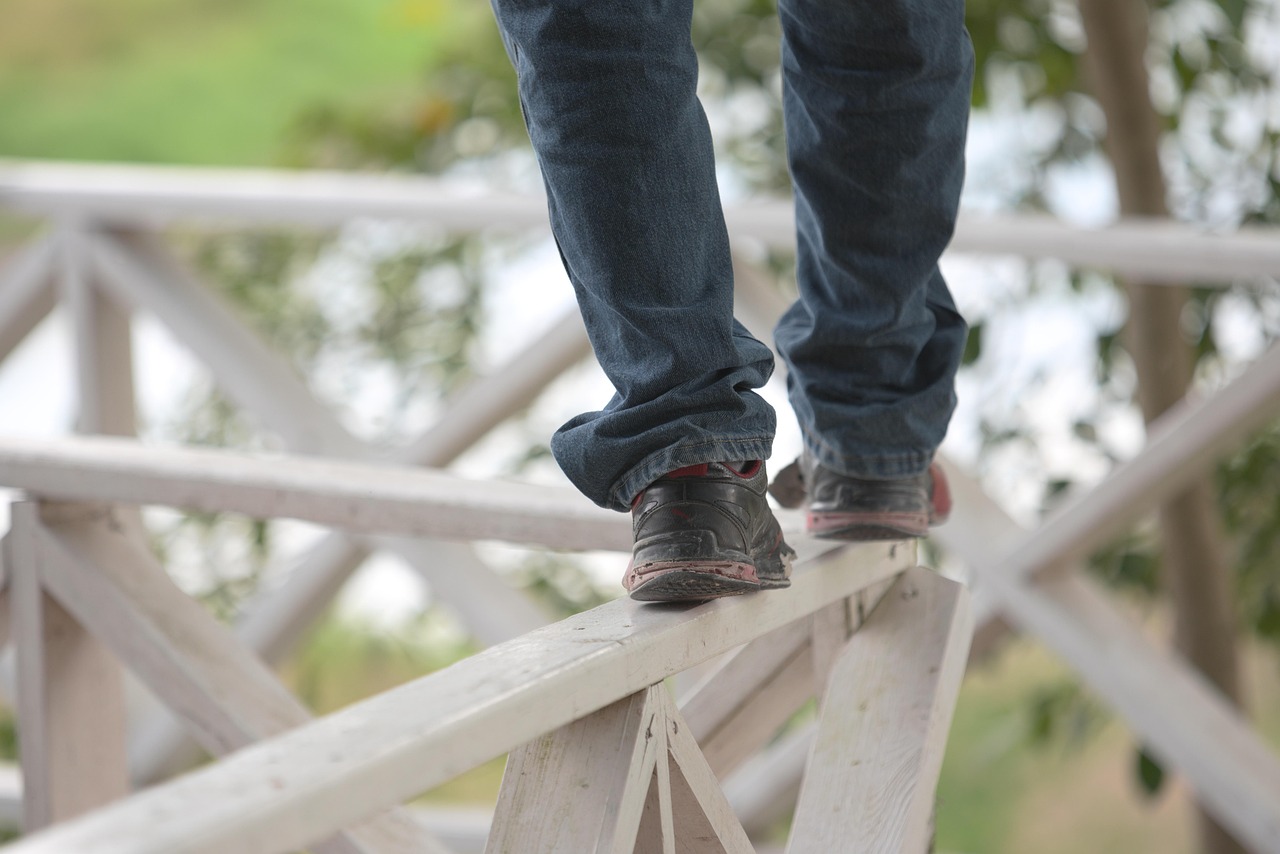
Although indoor training boasts numerous benefits, practicing outside is essential for mastering precision jumps. They’re vital for preparing practitioners to adapt jumps to various environments encountered in real-life situations. Often, outdoor locations feature obstacles ranging from railings to ledges, providing a unique challenge. In contrast to uniform indoor structures, these varied surfaces will test and develop one’s adaptability and creativity. Natural light, different ground textures, and varying heights enhance the experience while teaching practitioners how to assess risks in real-world conditions. Practicing outdoors also aids in building mental fortitude. Athletes can face distractions, enabling them to remain focused amid unpredictable scenarios. This scenario prepares them for performances that require rapid problem-solving skills. Moreover, outdoor training sessions may feel liberating compared to indoor constraints. Jumping in nature, parks, or urban settings can provide a refreshing experience, encouraging exploration and improving connections with the surroundings. Here, practitioners forge their unique paths, cultivating originality in their jumps. In the end, balancing indoor and outdoor practice incorporates both safety and adaptability, which propels accuracy and creativity in performing precision jumps.
Challenges of Outdoor Training
Despite its clear advantages, outdoor training presents unique challenges that can hinder progress. First, the unpredictability of terrains can pose risks of injury. Practitioners may encounter slippery surfaces or uneven ground, drastically affecting a jump’s execution. Environmental elements like wind or rain can lead to varios complications while training. Additionally, distractions such as pedestrians or fellow athletes can disrupt focus, making it harder to perfect techniques. Practitioners must learn to navigate these unexpected barriers rather than just the physical aspects of jumps alone. Urban environments may not always provide access to ideal practice spots. Thus, finding safe locations becomes essential for tailored training sessions. Furthermore, varying light conditions outdoors can impact visibility and depth perception, complicating an athlete’s approach to precision jumps. Weather changes, such as rain or intense sun, can affect how surfaces react when jumped upon. A rainy day, for instance, could lead to muddy or wet surfaces, leading practitioners to adjust their approach. Understanding these challenges is crucial for athletes to elevate precision jump performances through well-structured training strategies that account for outdoor variables.
Furthermore, training outdoors can sometimes necessitate compliance with local regulations. Practitioners should be mindful of restrictions regarding specific locations, ensuring they don’t trespass or create potential disturbances. Laws governing public spaces can hinder training, limiting access to prime practice areas. Access to designated parkour zones can also vary significantly by region. Not all locales have designated areas intended for jumping, which could complicate finding a structured space to practice adequately. In this context, it becomes vital for athletes to advocate for dedicated spaces supporting parkour training in their communities. Forming relationships with local authorities can enhance understanding, leading to proper usage of public locations for practice. Built awareness of parkour extends to educating others, which can alleviate stigma surrounding the sport. Showcasing positive community involvement may foster support systems that advocate for designated parkour practice zones. This approach ensures a healthier environment for practitioners while enhancing training opportunities. Moreover, incorporating more outdoor efforts allows practitioners to develop strong advocacy for sports that encourage physical activity and creativity in public spaces.
Creating a Balanced Training Regimen
Finding the perfect training balance between indoor and outdoor is essential for refining precision jump skills. Athletes must recognize the complementary roles both environments play. Integrating indoor sessions focusing on technical skills can create a sustainable foundation, while outdoor training hones adaptability and creative strategies. A well-structured regimen could involve consistently alternating between the two environments each week. For example, dedicating specific days to outdoor practices allows athletes to build a versatile skill set before honing their precision techniques indoors. Setting clear goals for each session helps individuals stay committed throughout their training. Whether working on landing accuracy in a controlled space or attempting diverse jumps outdoors, maintaining a focused approach leads to results. Moreover, incorporating strength and coordination exercises can enhance overall performance in both environments. Utilizing obstacles present in either setting enhances the learning experience while promoting both physical and mental growth. Regularly assessing progress through personal goal-setting strategies offers insight into competency levels, allowing for modifications as necessary. By cultivating a balanced training approach, athletes can advance their precision jump skills effectively and confidently tackle new challenges in parkour.
Finally, choosing the right training gear is critical for successful precision jumps, regardless of the training location. Selecting appropriate footwear will improve grip, cushioning, and responsiveness. Shoes should provide excellent traction to reduce slips or falls, particularly when practicing jumps outdoors. Moreover, prioritizing comfort can significantly contribute to overall performance during training sessions. Comfort enables practitioners to focus their energies on technique instead of physical constraints. Additionally, wearing suitable training clothes enhances movement while allowing free range of motion necessary for executing jumps effectively. Lightweight and breathable materials support agility during performance, regardless of the setting. Staying hydrated and managing energy levels before, during, and after training further enhances capabilities. Regardless of indoor or outdoor practice, maintaining an active lifestyle helps prevent fatigue or burnout. Constant attention to these factors ensures efficient training, leading to successful mastery of precision jumps. By refining technique, enhancing adaptability, and promoting safety, each athlete can develop their skills while enjoying both indoor and outdoor training experiences. Ultimately, the choice of setting will always depend on individual learning preferences and desired outcomes.