
Adapting Advanced OCR Training for Different Course Types
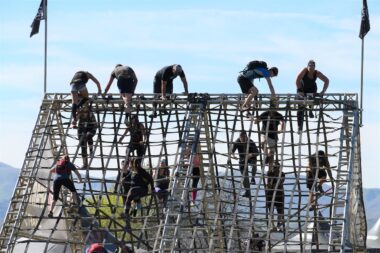
Obstacle Course Racing (OCR) presents unique challenges that vary significantly across different course layouts. Understanding these distinctions is crucial for racer preparation. Many athletes train generically, failing to tailor techniques according to specific course types. Each type of OCR course, whether it involves height, climbing, or water elements, demands specialized training strategies. For instance, a course featuring numerous vertical obstacles requires a focus on upper body strength. Concurrently, a course with extensive running sections should emphasize endurance. Hence, establishing a comprehensive training regime becomes essential for optimizing performance. Enthusiasts should incorporate diverse drills that mimic actual OCR conditions. Additionally, it’s paramount to adjust nutrition and recovery strategies for peak performance in varied weather conditions. Athletes dealing with warmer climates may require different hydration practices compared to those racing in cooler temperatures. Understanding the heating and cooling of the body can influence recovery times. Overall, without adapting training techniques specifically to match each course type, racers risk diminishing their potential achievements, thus hindering their chances of success in competitive environments. Tailored training can be the difference between finishing strong and merely completing an event.
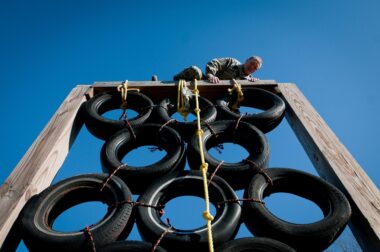
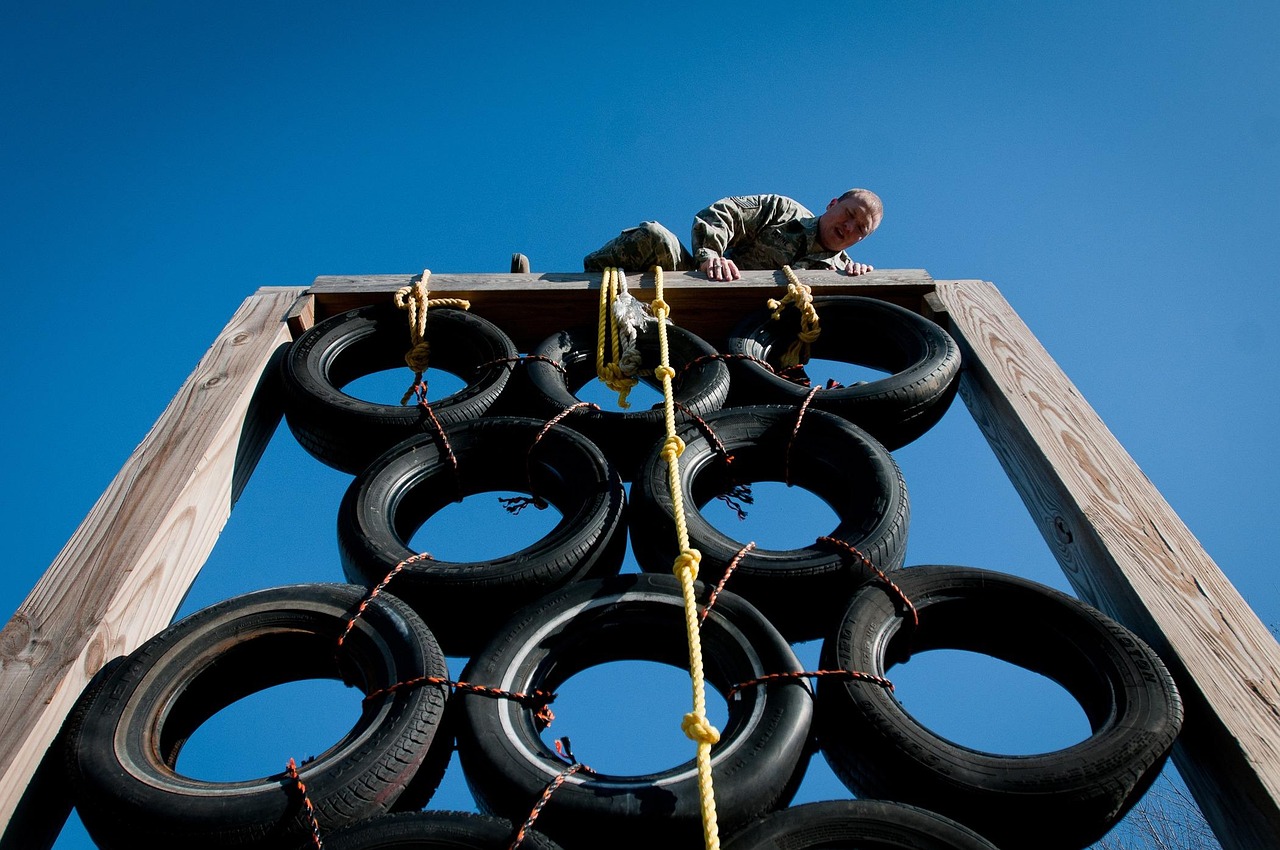
Incorporating strength training into OCR preparation is essential for executing various obstacles. Athletes can benefit from focused resistance exercises targeting the upper body, core, and legs. Many OCR courses require participants to pull themselves up or lift their own body weight. Therefore, exercises like pull-ups, deadlifts, and kettlebell swings should feature heavily in training routines. Resistance bands can also enhance mobility and overcome specific obstacles like monkey bars or rope climbs. Developing grip strength is critical; incorporating exercises like farmer’s walks and plate pinches can greatly improve this. Furthermore, developing a strong core is vital to maintain stability and minimize injury. Athletes can achieve this through planks, Russian twists, and medicine ball throws. It’s also useful to adapt workouts by mimicking race conditions, which means including irregular surfaces or sudden elevation changes. Multi-directional training engages muscle groups commonly used in OCR but neglected in traditional training routines, proving beneficial. Ultimately, OCR athletes must emphasize the importance of decisive strength training. Choosing the right exercises and progressively increasing difficulty prepares athletes adequately for any challenge that awaits them on the course.
Endurance Training Techniques for OCR
Endurance plays a pivotal role in OCR success, particularly given the typically extended race durations. To optimize endurance, athletes should focus on aerobic conditioning, incorporating long-distance runs into their regimes. Continuous running at a comfortable pace promotes cardiovascular efficiency, helping prepare the body for sustained physical exertion over varying terrains. However, it’s essential to balance aerobic training with intensity; adding high-intensity interval training (HIIT) can considerably boost overall performance. HIIT workouts, involving short bursts of intense activities followed by recovery, improve not only endurance but also anaerobic capacity. Athletes can experiment with different cardio machines, including treadmills, rowing machines, or even cycling, to prevent monotony and enhance muscle engagement. Additionally, outdoor trail runs help simulate actual race conditions while promoting strength through uneven surfaces. These endurance-building practices prepare athletes for long stretches between obstacles, where stamina becomes a vital asset. Including plyometric exercises or hill sprints augments leg strength while developing faster-twitch muscles, necessary for tackling OCR challenges. Ultimately, a well-rounded approach to endurance training ensures athletes maintain peak performance throughout their races.
Another critical aspect of OCR training is agility, which is often overlooked in traditional fitness regimens. The dynamic and unpredictable nature of OCR requires athletes to navigate various obstacles efficiently. Integrating agility drills into training routines can drastically improve performance. Drills such as ladder exercises and cone sprints increase foot speed and coordination, essential for those tight turns and quick direction changes on the course. Furthermore, practicing quick transitions can help to maintain momentum when encountering obstacles. Athletes should also develop stability and balance to enhance body control—practice exercises like single-leg stands or stability ball routines to engage core muscles deeply. Including elements of strategy in training is crucial; understanding optimal paths for obstacle navigation can influence overall time. A few seconds gained in efficient movement can greatly impact race outcomes, so visualizing obstacle courses may assist racers in preparing mentally as well. To ensure efficacy, it’s vital to periodically assess agility through practice runs, identifying areas needing improvement. By improving agility, athletes become more adept at tackling diverse challenges that OCR employs, ultimately leading to enhanced race experiences.
The Role of Nutrition in OCR Training
Nutrition significantly influences overall performance, especially in the demanding arena of OCR. Athletes need a well-balanced diet that supports their intensive training regimes. Prioritize consuming carbohydrates, as these serve as the primary fuel source during longer races, contributing to sustained energy. Whole grains, fruits, and vegetables must be incorporated daily to meet energy demands while providing essential vitamins and minerals. Proteins play a crucial role in recovery, allowing muscles to repair post-workout. Lean meats, fish, and vegetarian protein sources should remain staples in the diet. Don’t forget about hydration; athletes must hydrate adequately before, during, and after workouts and races to maintain peak performance levels. Electrolyte-rich drinks can aid recovery and replenish vital minerals lost through sweat. Moreover, timing meals effectively is vital; consuming foods rich in protein and carbohydrates immediately post-training promotes rapid recovery and supports muscle growth. Throughout training, athletes should experiment with fuel sources to discern personal preferences and tolerances. Ultimately, a strategically implemented nutrition plan tailored to individual needs and race conditions supports performance and fosters recovery, helping athletes achieve their OCR goals.
Recovery is often an underestimated aspect of advanced OCR training, yet it’s crucial for maintaining peak performance levels. After intense workouts or races, the body requires adequate recovery time to repair muscles and replenish energy stores. Without sufficient rest, athletes are at a higher risk of injuries or burnout. Incorporating rest days into training schedules allows time for physical and mental recuperation. Active recovery, involving low-intensity activity like yoga or light jogging, can also be beneficial to promote blood flow and aid muscle recovery. Additionally, proper sleep is vital; athletes must prioritize quality sleep to enhance cognitive function and physical repair. Implementing active stretching techniques post-exercise assures muscles remain flexible and reduces the risk of strains. Utilizing foam rollers or massage therapy can relieve tension in sore muscles. Moreover, implementing a periodic deload week within training cycles can prevent fatigue from overtraining. These purposeful actions foster a comprehensive recovery process that supports continued progress while preventing injuries. By understanding the importance of recovery, OCR athletes can enhance their long-term training success and uphold their performance throughout their racing careers.
Conclusion: Tailoring Techniques for Optimal Performance
To truly excel in obstacle course racing, athletes must embrace adaptability in their training strategies. Each OCR course demands a distinctive approach to tackle unique challenges, with focused techniques tailored to match terrain, elevation, and obstacles. Integrating strength, endurance, agility, nutrition, and recovery processes holistically ensures racers optimize performance capabilities during their training. Furthermore, athletes must continually evaluate their strategies and adapt them as they progress. Learning from past races and refining skills through practice will provide insight into what works best personally. Engaging with the OCR community can furnish valuable perspectives on effective techniques and ideas for improvement. As racers become more familiar with diverse course types, they can implement these advanced techniques purposefully and intentionally. Ultimately, it’s about consistent enhancement and being open to refining skills while preparing for varied OCR challenges ahead. Athletes dedicated to these adaptive training methods are poised to not only finish races but also achieve personal bests. The path toward OCR success is paved with perseverance, intentional preparation, and, most importantly, learning to adapt and overcome.
Whether novice or seasoned athlete, understanding and applying these advanced techniques solidifies a foundation for OCR training. The reliance on a single training method simply won’t suffice; it’s crucial to embrace a regimen that encompasses various aspects of fitness and conditioning. Setting clear goals and systematically achieving them leads to holistic growth and success in OCR events. Remember, each course is a new opportunity requiring essential skills and techniques; adjust continuously for improved results. Moreover, prioritize fun; enjoyment motivates athletes to train persistently. Incorporate challenging and diverse workouts that keep the training exciting, pushing participants to explore their limits. Engaging with others through team training fosters camaraderie and shared motivation. Ultimately, racers should approach their OCR journey with openness and a spirit of learning. As they navigate various courses, participants foster skills that extend beyond just fitness; they cultivate mental resilience and camaraderie shaped through shared experiences. Embracing the full spectrum of training recommended equips athletes with the tools necessary for success in OCR competitions. Tailored preparations based on advanced techniques can inspire confidence and lead to remarkable accomplishments.