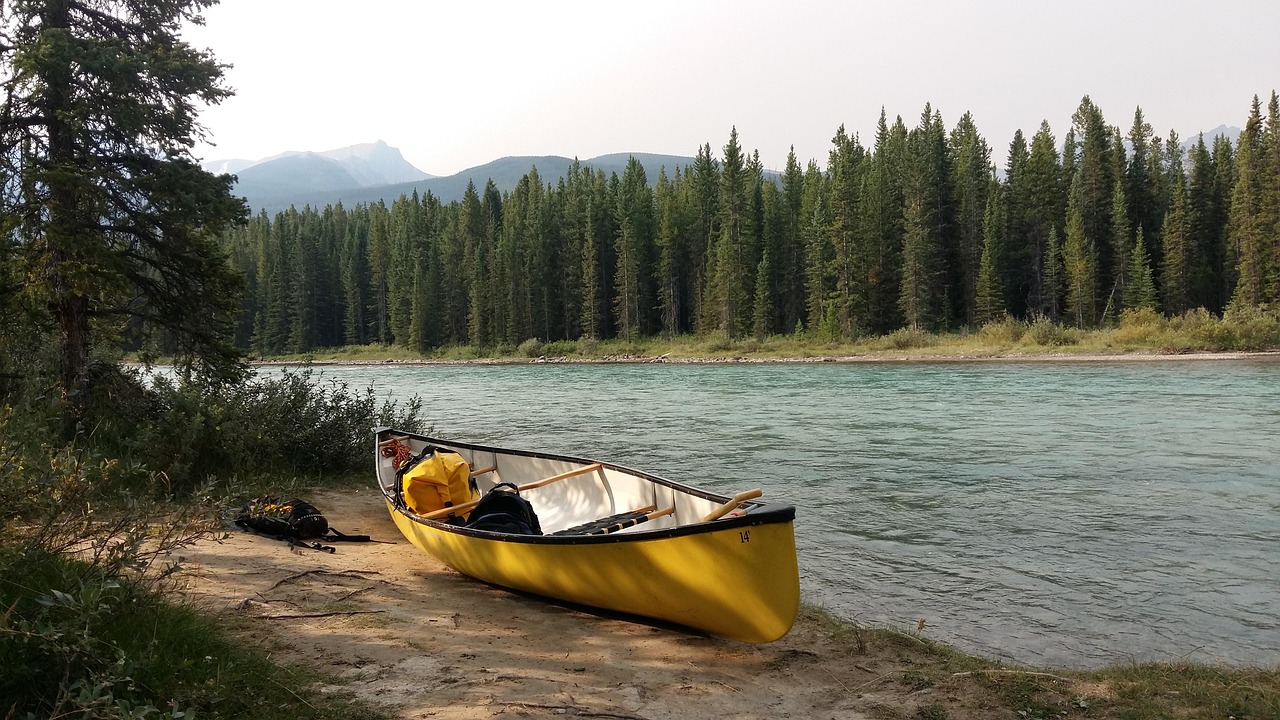

Environmental Impact of Canoeing and How to Paddle Responsibly
Canoeing offers a unique opportunity to explore natural environments, but it also presents risks to ecosystems not readily apparent. Water bodies, while seemingly robust, often suffer from the impacts of recreational activities like canoeing. The disturbance to wildlife habitats, particularly nesting areas along shorelines, can be profound. To paddle responsibly, it is vital to follow established guidelines that mitigate negative effects on the environment. These include staying clear of sensitive habitats, paddling in designated areas, and avoiding the collection or disturbance of plants and wildlife. Practicing a lightweight ethos encourages the use of sustainable materials for equipment and minimizes the need for disposable items that could pollute waterways. Furthermore, paddlers should ensure to leave no trace, cleaning up all waste post-activity. One essential practice includes using biodegradable products during trips. Engaging with local conservation efforts also helps bolster ecosystem resilience. It is important to continuously educate ourselves on plant and animal instances within water bodies to ensure proper interactions and sustainable practices. Organizations often provide resources and volunteer opportunities to restore and protect aquatic ecosystems. Together, we can ensure canoes promote joy rather than destruction.
The Importance of Conservation Initiatives
Conservation initiatives play a critical role in sustaining our natural waterways and their ecosystems. Active participation in these programs guides canoeists in understanding their responsibilities toward the environment. Educating individuals about native species, habitats, and the impacts of invasive species can directly influence positive behaviors among paddlers. Resources available on local conservation efforts highlight how canoeing can coexist alongside environmental preservation. For instance, many organizations provide workshops that engage paddlers in discussions about minimizing impact while enjoying their sport. Learning about the delicate balance of ecosystems fosters a deep appreciation for nature. Ensuring clean waterways promotes not only healthy aquatic life but also enhances the canoeing experience itself. Using eco-friendly products while paddling aids the fight against pollution. Dissemination of information about waste reduction methods, such as recycling and composting, encourages responsible practices. Translating learning into action, paddlers can participate in local clean-up events to lend their support to vital conservation causes. These initiatives instill the importance of ecological impact awareness within the canoeing community. Therefore, everyone participating in water sports should think beyond personal enjoyment and consider the legacies they leave in nature.
Paddling in harmony with nature requires a mindful approach, especially concerning water quality and ecosystem health. One essential aspect to observe is the prevention of water pollution. Canoeing enthusiasts should avoid using harmful chemicals during outings, particularly when washing gear. Instead of chemical detergents, using natural soap alternatives keeps waterways safe for fish and other aquatic creatures. Furthermore, taking measures to prevent fuel spills when transporting boats is crucial, as spills can have long-lasting effects on the environment. Avoiding littering, such as food wrappers or beverage containers, is another significant practice to adopt. The introduction of non-biodegradable items can accumulate over time, degrading water quality severely and endangering local wildlife. Canoers should also ensure that their trips showcase respect for wildlife by observing animals from a distance and not interfering in their habitats. Adhering to the principle of minimal disturbance secures a thriving ecosystem. Encouraging others to embrace similar practices enhances the overall canoeing community’s commitment to environmental stewardship. When everyone recognizes their part in sustaining waterway health, they contribute to a legacy of responsible recreation that future generations can cherish.
Best Practices for a Sustainable Canoeing Experience
Implementing best practices while canoeing can significantly lessen the impact on the environment. Firstly, opting for low-impact gear is beneficial; this includes choosing lightweight canoes made from sustainable materials. Ensuring that gear doesn’t come from endangered species contributes to biodiversity preservation. When canoeing in groups, consider planning routes that minimize damage to sensitive areas. Preparing for all eventualities by conducting prior research on the area and its rules promotes responsible habits. Staying informed about regulations protects the environment and enhances the experience. Awareness of seasonal restrictions, nesting times for birds, and life cycles of fish help paddlers make informed decisions. Similarly, utilizing designated launch sites and sticking to marked paths supports conservation by preventing damage to vegetation. Additionally, participating in training sessions or workshops on paddling ethics can deepen knowledge of responsible practices. Involvement in designated clean-ups is another great way to contribute to environment well-being. Partnering with local organizations offers opportunities to gain insight into conservation efforts. Engaging with the larger community often fosters bonds and strengthens commitment to environmental preservation.
Advocacy for responsible canoeing extends beyond personal involvement and requires community engagement. Individuals who teach and train others about responsible habits contribute significantly to sustainable canoeing practice. Mentorship programs focused on younger generations nurture a respect for the environment. This fosters an ongoing culture of responsibility that prioritizes ecological health. The canoeing community is well-positioned to advocate for change. Grassroots movements advocating for conservation policies can effectively influence local regulations. By lobbying for protected areas, they raise awareness about the importance of conserving aquatic ecosystems. Crafting collaborative projects with local governments enhances the effectiveness of conservation efforts. These initiatives often lead to improved water quality regulations that benefit both wildlife and paddlers. Moreover, creating educational materials about paddle ethics accelerates ecological consciousness. Hosting events that involve sharing experiences and conservation news encourages unity within the canoeing community. Building connections with other outdoor enthusiasts emphasizes shared responsibility shouldering stewardship of waterways. Ultimately, guiding societal mindsets towards conservation empowers a collective understanding of the interconnectedness of human activity and the environment.
The Role of Technology in Canoeing
Technology has transformed many aspects of canoeing, providing tools for enhancing both the experience and environmental protection. Smartphone applications can now track routes, inform about environmental conditions, and highlight conservation efforts. These resources help paddlers make informed decisions about when and where to paddle. Getting real-time data about weather changes offers insights into maintaining safety. Additionally, technology provides educational platforms where individuals can learn about aquatic ecosystems easily. Logging and sharing data on water quality from canoe trips contribute heavily to ongoing conservation research. This data can further environmental protection initiatives by pinpointing problem areas needing immediate attention. Social media platforms play a role in increasing visibility for conservation projects. By sharing stories and inspiring content, paddlers raise awareness about the importance of responsible canoeing practices. Engaging discussions on online forums promote a collective learning environment. Collaboration with tech developers and environmental organizations creates opportunities for innovative tools that improve the paddling experience while encouraging responsible behavior. Leveraging technology for good creates pathways towards sustainable recreation, ensuring that future paddlers enjoy pristine waterways while safeguarding natural habitats.
In conclusion, the environmental impact of canoeing requires every participant to be proactive about maintaining sustainable practices. In every aspect, from gear choices to environmental advocacy, paddlers play vital roles in promoting waterway health. By actively engaging in learning, implementing responsible habits during trips, and participating in community efforts, a collective movement towards stewardship can flourish. Integrating education about ecological impacts within the canoeing culture helps to perpetuate a cycle of awareness. Conservation initiatives thrive when individuals understand how their actions influence aquatic ecosystems. Utilizing technology to aid knowledge dissemination further strengthens connections within the community. Shared resources and collective narratives enrich the paddling experience, aligning interests toward preservation. While the joys of canoeing are numerous, they come with the responsibility of protecting the environments enjoyed. Through unity, advocacy, and education, the joys of canoeing can continue for many generations. Every paddler must recognize their impact and the importance of wildlife preservation when engaged in such enjoyable recreation. Celebrating nature’s beauty while ensuring sustained health ultimately enables all to enjoy the serenity canoeing can offer.