
Evolution of Dance Aerobics from the 1980s to Today
The journey of dance aerobics begins in the 1980s, where it first gained popularity among fitness enthusiasts. This innovative exercise blended dance movements with traditional aerobics, creating a fun and engaging workout. Pioneers like Jane Fonda introduced aerobic exercise to the masses with her workout videos, which incorporated diverse dance styles, making fitness more appealing. It was during this vibrant era that fitness studios began offering classes designed specifically for this purpose. The rise of music videos and dance trends in pop culture also fueled interest, resulting in classes that mimicked styles seen in iconic shows. Participants enjoyed the energetic atmosphere and the sense of community that dance aerobics fostered. Health clubs embraced this trend, attracting more individuals to focus on fitness while having fun. By the end of the decade, dance aerobics had carved out a unique niche within the fitness industry, appealing to a broad demographic. As people searched for enjoyable ways to stay active, dance aerobics emerged not just as a workout, but as a lifestyle choice for many.
With the 1990s came further evolution in dance aerobics, incorporating various dance genres into the curriculum. Zumba, for example, made its debut during this period, blending Latin rhythms with dynamic movements, enhancing the appeal for participants. This decade saw the emergence of diverse styles in choreography, allowing instructors to create exciting routines, keeping classes fresh and stimulating. Many choreographers began experimenting with ranges of music, from hip hop to disco, showcasing how varied the dance aerobics experience could be. Dance aerobics classes became widely available in gyms and fitness centers worldwide, leading to increased participation rates. Additionally, group classes introduced the inspirational element of camaraderie, motivating participants to push themselves harder. By making exercise social, instructors created inviting spaces for overweight and underprivileged people looking to shed pounds or maintain a fit lifestyle. The commercial fitness industry capitalized on this excitement by offering unique classes, emphasizing fun and energy rather than rigid structure. This led to the formation of an extensive community of enthusiasts devoted to maintaining health through exciting dance-infused routines.
The Impact of Technology on Dance Aerobics
As we moved into the new millennium, the impact of technology on dance aerobics became apparent. The rise of the internet and social media transformed the way people accessed fitness and health information. Online fitness classes began to emerge, allowing individuals to learn through videos or live-streamed sessions from the comfort of their homes. This provided an unprecedented level of convenience, enabling participants to practice routines that they may have first learned in a physical class. This adaptation helped keep the spirit of dance aerobics alive as well, retaining its fun and energetic charm through platforms like YouTube and Instagram. Instructors recorded and shared their routines, attracting followers keen on replicating their choreographed sequences. Dance challenges went viral on social media platforms, re-energizing the community and drawing new participants into the fitness world. The combination of technology and choreography ensured that dance aerobics reached a wider audience than ever before, creating a platform for aspiring instructors to showcase their talents. By this point, the evolution of dance aerobics bridged the gap between traditional fitness and modern digital innovation.
In recent years, dance aerobics has continued to thrive, adapting to contemporary musical styles and evolving cultural influences. Dance sub-genres, such as hip-hop and contemporary, are now dominating classes, attracting younger audiences eager to learn popular choreography. Instructors blend dance methods making each class an enjoyable workout, encouraging creative expression. Fitness trends such as the incorporation of current music charts have popularized dance aerobics even further, keeping routines fresh and exciting. Additionally, boutique fitness studios are tapping into this trend, creating specialized classes like ’90s dance aerobics or themed nights featuring popular movies and soundtracks appealing to diverse interests. The element of nostalgia attracts participants who remember the original roots of dance aerobics while introducing younger generations to this exhilarating style of exercise. The added emphasis on body positivity within the fitness industry aligns well with dance aerobics, creating an inclusive environment for participants of all shapes and sizes. As the movement adapts to new generations, it maintains its core essence of fun, engagement, and empowerment.
Current Trends and Formats
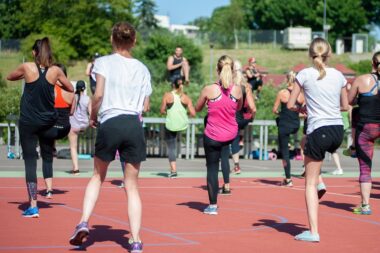
Today, various formats of dance aerobics coexist, offering something for everyone. Traditional classes are now accompanied by several energetic styles, ranging from Zumba to dance cardio, appealing to diverse tastes and exercise preferences. Dance aerobics continues to inspire various fitness trends, with new instructors developing their unique classes, blending different styles and cultural influences. This fusion makes it easier for people to find a type of dance aerobic that resonates with them, contributing further to its growth within the fitness landscape. Specialized classes may focus on aspects like flexibility or strength, adding versatility to the overall format. Additionally, many fitness coaches collaborate with dancers to create high-energy routines that deliver both fun and effective workouts. The atmosphere of these classes has remained vibrant, with music playing a central role in enhancing the experience. Today’s dance aerobics classes encourage creativity while providing participants with an exhilarating outlet for physical activity. Exciting choreography combined with invigorating music keeps curtains lifted, ensuring that people remain engaged and motivated in working towards their fitness goals.
The future of dance aerobics seems promising, continually evolving with input from modern fitness trends. The integration of high-intensity interval training (HIIT) into choreography is gaining traction as people look for more efficient workout routines. HIIT-dance hybrids allow participants to burn calories while enjoying the expressive movements dance aerobics offers. The emergence of dance fitness apps empowers individuals to create personalized workouts, ensuring they can develop routines that suit their specific needs and fitness levels. Virtual classes remain prevalent, making it possible for instructors to reach remote or underserved communities, promoting inclusivity and accessibility in fitness as a whole. Dance aerobics is expected to incorporate new techniques and styles, as cultural shifts and moods influence music and dance over time. Continuing fusions of contemporary dance styles into routines will keep this workout genre lively and appealing. The accessibility of resources, coupled with the ever-evolving nature of the dance form, guarantees that dance aerobics will remain a popular choice among fitness enthusiasts for years to come.
Conclusion: The Enduring Appeal
The evolution of dance aerobics from its 1980s inception to present day showcases its remarkable adaptability in the fitness landscape. By combining the invigorating elements of dance with aerobic movement, it has created an engaging experience that keeps participants coming back. Throughout the years, this genre has altered and evolved, integrating modern music, diverse choreography, and technological advancements. Moreover, the emphasis on fun, community, and creativity has encouraged countless individuals to adopt dance aerobics as a way of life. As future generations integrate both new ideas and cherished traditions, the lively appeal of dance aerobics will undoubtedly endure. Those seeking dynamic workout options that blend fitness with joyfulness will find a permanent home within dance aerobics classes. The core essence of this practice remains a celebration of movement, emphasizing well-being while fostering a sense of belonging. Moving forward, as exploration within fitness continues, dance aerobics will thrive, fueled by innovation and tradition alike. Ultimately, it’s this spirit of adaptability that assures its continued relevance in an ever-shifting fitness world.
For anyone interested in discovering the joy of dance aerobics, numerous resources are available. Fitness communities across social media platforms offer advice, support, and tips for participants eager to explore different classes. Local gyms and fitness studios often provide various options tailored to individual preferences, from high-energy to low-impact sessions. Additionally, online platforms provide a plethora of workout videos, allowing individuals to try different styles and formats from the comfort of their homes. Instructors often share their routines through streaming platforms, providing a convenient way for enthusiasts to join classes from anywhere in the world. With the blend of nostalgia and modernity, dance aerobics remains a timeless option for those looking to stay fit while enjoying the process of movement. Cupid approximately leads to everlasting engagement, ensuring that fitness remains an exciting endeavor. As dance aerobics continues to develop, it will inspire an ongoing generation to experience the empowering nature of dance fitness. Keeping these traditions alive is paramount, ensuring that everyone can join in the celebration of both community and wellness.