
How Fiber in Plant-Based Diets Affects Hydration and Performance
Understanding the relationship between fiber in plant-based diets and hydration is crucial for athletes and health enthusiasts. Fiber is a key component found abundantly in fruits, vegetables, legumes, and whole grains. These plant-based foods not only provide essential nutrients but also significantly contribute to hydration. Fiber helps retain water in the digestive tract, promoting a sense of fullness and aiding in nutrient absorption. This is particularly important in a plant-based diet, where hydration can sometimes be overlooked. Incorporating a variety of fiber-rich foods, like oats, lentils, and berries, can maintain adequate moisture levels in the body. Additionally, a higher fiber intake is often associated with better digestive health, which ensures that nutrients are effectively utilized. Athletes should prioritize fiber as part of their diet to enhance overall performance. Adequate hydration levels support not only stamina but also recovery after intense workouts. Therefore, understanding fiber’s role will empower individuals to optimize their hydration strategy effectively. Moreover, when fiber is consumed alongside adequate fluids, it can further enhance the overall health of an individual pursuing a plant-based lifestyle.
Furthermore, the consumption of soluble fiber, which dissolves in water, can lead to increased hydration levels. Foods rich in soluble fiber include chia seeds, oats, and apples. These foods create a gel-like substance in the stomach, which slows down digestion and promotes a longer-lasting feeling of fullness. This gel can also aid the body in retaining water, contributing to increased hydration overall. Proper hydration is essential for optimal physical performance, especially during exercise. Athletes often face challenges in achieving balance through their diets, and fiber-rich foods can be a part of the solution. When consumed regularly, soluble fiber can help stabilize blood sugar levels, preventing spikes and crashes that can hinder athletic performance. Moreover, staying well-hydrated enhances cardiovascular function, and allows for improved blood circulation. Importantly, hydration is not solely about drinking water; it’s also about maintaining an adequate intake of foods that contribute to overall fluid balance in the body. Including high-fiber foods in your meals can be a strategic way to promote hydration while supporting performance goals.
Another aspect to consider is the differences in hydration impacts between soluble and insoluble fiber types. Insoluble fiber, primarily found in whole grains and vegetables, promotes bowel health but doesn’t contribute as significantly to water retention. While both fiber types are essential for a balanced diet, individuals focusing on hydration should pay particular attention to their soluble fiber intake. Combining both fiber types ensures a well-rounded intake and supports digestive health. Being mindful of the type of fiber consumed can ensure the body is both well-hydrated and well-nourished. This knowledge allows nutritionists and dietitians to provide tailored recommendations for those involved in rigorous training or competitive sports. Proper hydration not only enhances performance but also mitigates fatigue and reduces the risk of injury during physical activities. Athletes need to balance their fluid intake from both beverages and food sources for optimal performance. So, make sure to include a diverse array of plant-based, fiber-rich foods for benefiting hydration and health. Regular evaluations and adjustments to fiber sources can also lead to better results.
Hydration Strategy Tips with Fiber-rich Plant Foods
To effectively integrate fiber into your hydration strategy, it’s essential to personalize your approach. Start with gradual increases of fiber in your diet to avoid gastrointestinal discomfort. As you incorporate fibers like beans, whole grains, and fruits, monitor your body’s reaction closely. Ensuring adequate water intake alongside fiber will help balance the digestive process. Aim to drink at least 8-10 cups of water daily, adjusting for activity levels, climate, and personal needs. Pairing high-fiber meals with water can enhance hydration effects. For example, enjoying oatmeal with fruit and a glass of water can boost your hydration levels significantly. Explore the use of soups, smoothies, and stews that contain high-fiber ingredients—these not only offer hydration but also nutrient density. Additionally, having a water bottle or hydration app can help remind you to drink regularly throughout the day. For athletes, hydration before, during, and after workouts is key, particularly when consuming high-fiber foods. Adapt your fiber intake based on your exercise regimen and individual needs to maintain optimal hydration levels, maximizing your performance potential.
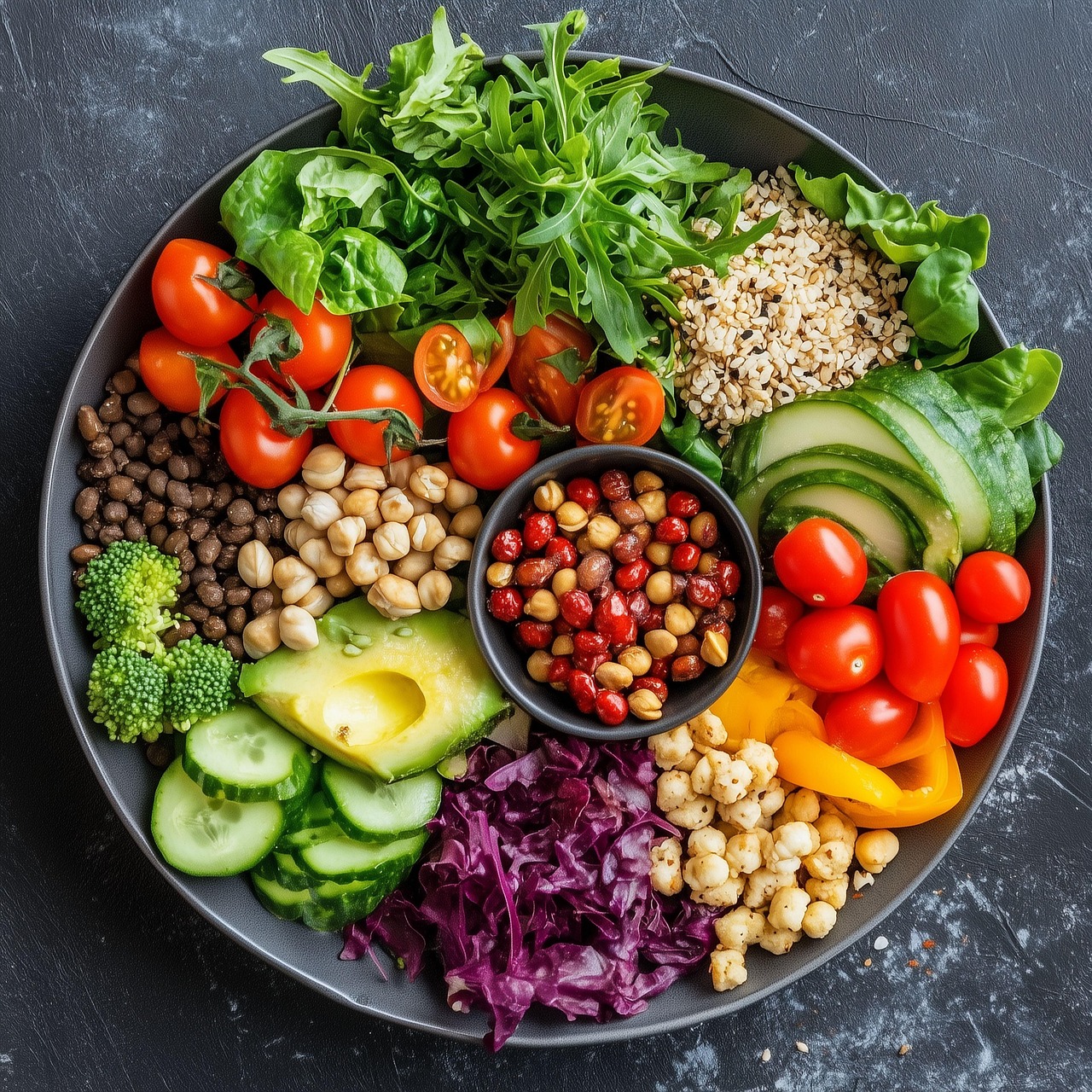
It’s also worthwhile to understand the unique role of hydration in enhancing recovery. After workouts, consuming fiber alongside protein and carbohydrates can replenish glycogen stores and support muscle repair. This includes options like quinoa salad with vegetables and chickpeas, or smoothies made with greens and protein sources. Hydration is critical during recovery periods as it helps in reducing inflammation and muscle soreness. Consider scheduling hydration breaks during long workouts, particularly when consuming high-fiber snacks. Drinking water before and after such snacks will ensure continuous hydration and support any digestive processes activated by fiber. Furthermore, it’s important to remember the timing of fiber and hydration around workouts. It can be beneficial to consume high-fiber meals several hours before physical activity to avoid potential gastrointestinal discomfort during exercise. By recognizing the timing and significance of hydration with fiber, individuals can improve their performance outcomes significantly. Planning meals and snacks around workouts becomes easier, yielding better results and more enjoyable experiences.
Final Thoughts on Hydration and Fiber
Ultimately, understanding how fiber contributes to hydration and performance is critical for anyone following a plant-based diet. The diverse range of high-fiber foods provides not only essential health benefits but also hydration of the body’s systems. As athletes focus on performance outcomes, they should prioritize nutrient-dense foods that support hydration through both fiber content and water retention. Ultimately, it comes down to creating a sustainable eating pattern that includes fiber and proper hydration strategies. Learn to listen to your body and adjust based on its signals. This may involve experimenting with different types of foods to find the combination that works best for you. Emphasizing hydration does not mean compromising on taste or nutrition. Rather, it opens up a wide variety of delicious options available in plant-based eating. Made wisely, plant-based meals can sustain performance, promote hydration, and enhance overall health, enabling athletes to excel. Focus on balance, enjoy the process, and fuel your body with the nutrients it deserves.
In summary, hydration and fiber are integral parts of a plant-based diet that greatly impact physical activity and overall wellness. By understanding the types of fiber and their hydrating properties, individuals can make informed dietary choices. Explore delicious recipes that not only pack a fiber punch but also deliver hydration, such as salads, smoothies, and soups. Regularly check your hydration levels and adjust your fiber intake accordingly. Engaging in a plant-based lifestyle doesn’t mean you have to sacrifice enjoyment or energy. With the right knowledge and tools, achieving a balanced and hydrated approach to nutrition becomes achievable. Understand your body’s signals and adapt your choices. This adaptability allows for an optimized and personalized nutrition strategy. Enjoy exploring local and seasonal fruits and vegetables, as they often deliver both hydration and fiber benefits. Never underestimate the power of good hydration combined with a rich and diverse fiber profile to enhance your athletic performance. Ultimately, being informed and intentional with your food choices promotes a fulfilling plant-based lifestyle that benefits hydration, health, and overall performance.