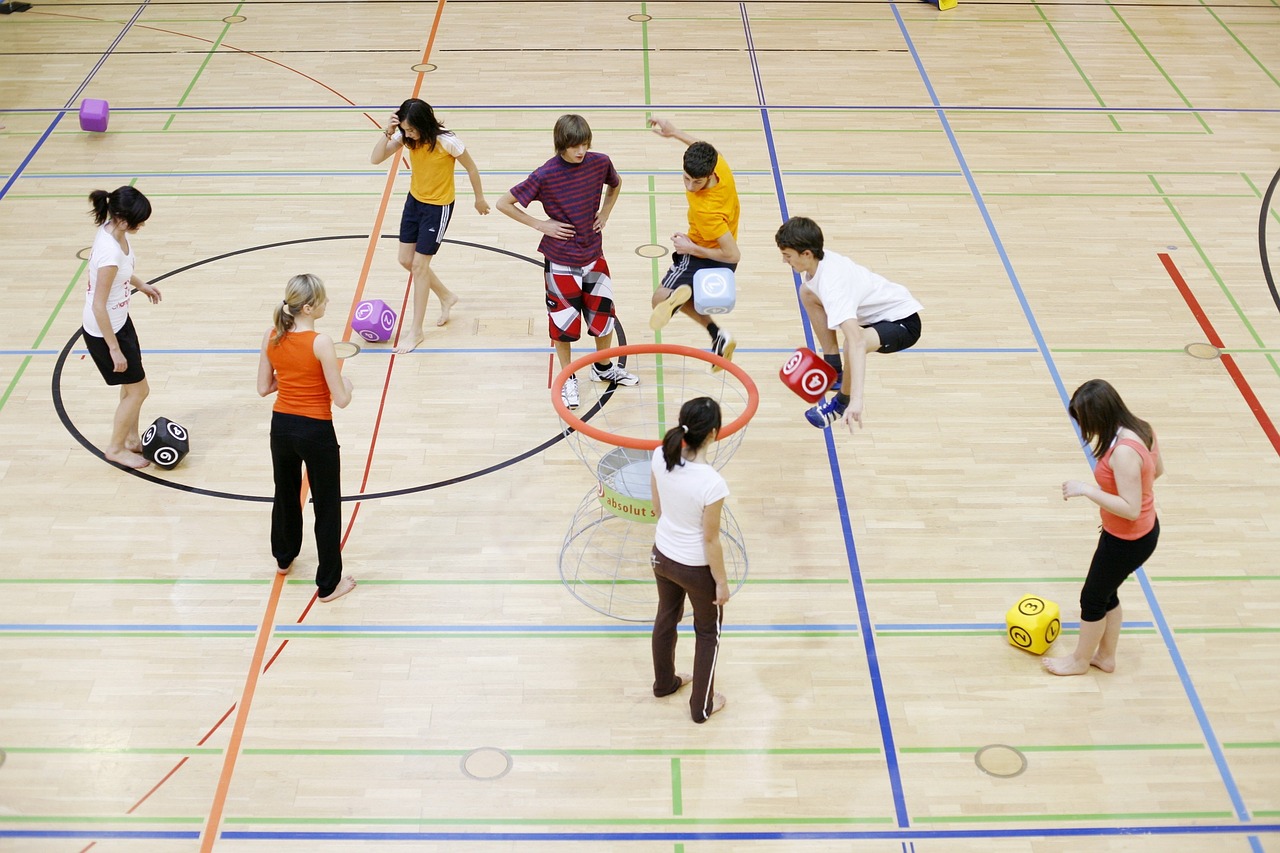

How to Promote Team Dodgeball in Schools and Communities
Promoting team dodgeball in schools and communities requires a robust strategy that engages students and families. Begin by showcasing the unique benefits of dodgeball, which include enhancing teamwork, building physical fitness, and developing strategic thinking. Organizing demonstration events where students and parents can experience dodgeball firsthand is crucial. These events can be held during school social days or community fairs. Moreover, utilizing social media platforms to share testimonials, game highlights, and health benefits can pique interest. Involve local influencers or former athletes to speak at events and encourage participation. Additionally, developing partnerships with community organizations can facilitate access to resources and help spread the word. Schools can also incorporate dodgeball into physical education classes to expose students to the sport regularly. When students see their peers actively participating, it increases enthusiasm and potential engagement. Furthermore, creating a dodgeball club can sustain interest, especially when competitive leagues are introduced. The active participation of both students and parents can turn dodgeball into a beloved community event. Engaging local businesses for sponsorship can further enhance visibility.
Organizing Dodgeball Events
Organizing dodgeball events is a vital aspect of promoting the sport within your community. To start, it’s important to set clear goals for each event, whether it’s increasing participation, raising funds for school initiatives, or fostering community spirit. Establish a planning committee that includes students, teachers, and community members to gather diverse ideas and foster ownership. Determine an appropriate venue, such as school gyms or community centers, which can accommodate participants and spectators. Have clear guidelines and rules for each game to facilitate smooth operations and ensure safety. Time your events strategically, preferably after school hours or during weekends, to maximize attendance. Consider adding fun themes or competitions, such as a tournament format or Halloween-themed events, to attract greater interest. Additionally, promote these events through flyers, local papers, and social media platforms by using engaging language and visuals. Collect feedback from participants post-event to improve future gatherings. Lastly, showcase highlights and community involvement through newsletters and local news outlets to increase awareness and anticipation for upcoming dodgeball events.
One effective strategy in promoting team dodgeball involves engaging school administrators and educators to emphasize its educational benefits. Educators understand that sports can teach crucial life skills, such as teamwork, communication, and resilience. Furthermore, dodgeball promotes physical activity, which is essential for students’ overall health and well-being. Including dodgeball in the school curriculum can ensure students receive regular exposure, reinforcing its importance. Presenting statistics about the advantages of physical activity in school settings may help convince administrators of dodgeball’s merits. Additionally, creating informational sessions or workshops for teachers can equip them with basic dodgeball coaching techniques and best practices. These workshops can also reinforce the concept of safety and inclusion, ensuring students feel comfortable participating regardless of skill level. Establishing a mentorship program where older students coach younger ones can further integrate dodgeball into school culture. Regular inter-class competitions can motivate students to practice and improve, thereby fostering a competitive yet friendly environment. Leveraging parent-teacher associations can increase resources and attention towards promoting dodgeball significantly.
Involving the Community
Involving the community is essential for the successful promotion of team dodgeball. Community members, such as local businesses, sports clubs, and families, play a crucial role in building a supportive ecosystem for the activity. Organizing regular dodgeball tournaments can foster community spirit and provide a platform for showcasing talent. Consider inviting local schools to participate in friendly matches, building camaraderie among different districts. To create buzz, promoting these events through local media channels can help engage not just participants, but also spectators. This is an excellent opportunity for community businesses to sponsor teams or provide prizes. Hosting open dodgeball days allows non-participants to engage with the sport. These events can include friendly matches, skills workshops, and fun challenges, making it appealing for everyone, regardless of skill level. Community leaders can add their support by endorsing the sport, thus creating a ripple effect in encouraging widespread participation. Establishing regular communication with community members about upcoming events through newsletters or social media helps maintain excitement and involvement in dodgeball.
Implementing a promotion strategy via social media can greatly enhance interest in team dodgeball. Social media creates a platform for students, educators, and community members to connect and share their experiences. Creating official team dodgeball pages on various social platforms can provide updates, event announcements, and highlights from games. Including eye-catching images or videos from matches can illustrate the sport’s fun atmosphere, encouraging others to join. Moreover, utilizing online polls or surveys can gather community preferences and feedback, tailoring events to audience interests. Highlighting stories of teamwork and camaraderie builds a culture around the sport that resonates with potential players. Collaboration with local influencers or sports personalities can further amplify reach, particularly among younger audiences. They can share their own experiences with dodgeball, inspiring kids to embrace the sport. Additionally, showcasing student achievements and improvements through social media will ignite competitiveness and a desire to participate. Creating dedicated hashtags can help in tracking engagement and further enhance visibility. Overall, an effective online presence can generate enthusiasm and excitement around dodgeball, ultimately growing the sport.
Collaboration with Schools and Organizations
Collaboration with schools and local organizations is fundamental to successfully promoting dodgeball. Establishing partnerships with these entities provides access to resources, volunteers, and increased visibility. Begin by reaching out to gym teachers and administrators, presenting dodgeball as an ideal sport for physical education. By collaborating, you can create specialized programs tailored to different age groups and skill levels. Additionally, connecting with youth organizations, such as Boys and Girls Clubs, can open up new opportunities to introduce dodgeball to children who may not typically be involved in sports. Joint events between schools and organizations can create a larger community feeling. Organizations may also have access to funding or grants, which can support promotional campaigns or purchase equipment. Regular joint tournaments between schools or organizations can engage a wider base of participants and foster healthy competition. Ensuring that programs are inclusive, taking into account varying skill levels, will encourage more children to participate. In conclusion, a collaborative approach can enhance the promotion and sustainability of team dodgeball in schools and communities.
Finally, ongoing engagement and feedback are essential components of maintaining interest in dodgeball within communities. Regularly assessing participation levels, gathering feedback, and making necessary adjustments to the strategy is crucial for sustainability. After events, distribute surveys to gather participant experiences and suggestions for improvement. Focus groups can be organized to engage students and parents directly, allowing them to share thoughts on current initiatives. Addressing concerns or suggestions can help to keep participants invested and engaged. Incorporating flexibility in scheduling, rules, and event formats can accommodate a broader audience and keep the experience fresh. Additionally, creating a welcoming environment where everyone feels included will promote long-term involvement. Highlighting player success stories through newsletters or social media can motivate others to join. Celebrating milestones such as team formations or tournament victories fosters a sense of community and accomplishment. Consistently promoting the sport in schools and nearby communities will ultimately build a strong foundation for team dodgeball to flourish. As excitement grows, so does the potential for developing a thriving dodgeball culture.
In summary, successfully promoting team dodgeball in schools and communities relies on a structured approach that incorporates various strategies. Combining strong community involvement, effective online engagement, and collaboration with educational institutions creates an environment ripe for success. Schools have the unique opportunity to lead by example, incorporating dodgeball as part of their athletic programs to encourage student participation. Regular events and outreach initiatives can attract families, creating a thriving dodgeball culture. Opportunities for growth can arise through positive partnerships with local organizations that can provide support and resources. Addressing community interests is vital in sustaining engagement, allowing the dodgeball program to adapt and flourish over time. Regularly assessing the effectiveness of promotional strategies and incorporating feedback aids continuous improvement. Incorporating themes, competitions, and community events will enhance excitement and attract diverse participants. As dodgeball grows in popularity, local businesses may take notice and become partners in sponsorships. Celebrating achievements and emphasizing the positive aspects of teamwork and sportsmanship will inspire a new generation. Overall, with sustained efforts and community engagement, team dodgeball can flourish, benefiting participants and strengthening community ties.