
Mastering Cat Climb and Reverse Vault Progressions
Parkour, an art of movement, prompts practitioners to navigate spaces elegantly. One key component involves mastering the cat climb, essential for navigating obstacles. The cat climb provides access to higher ledges, enabling the practitioner to overcome barriers effectively. Progressing safely requires practice and understanding of body mechanics. Start by finding a low wall; practice jumping to grasp the edge, using hands for support. Once comfortable, work on precision in landing and maintaining balance. Climbing with intention focuses on core strength and coordination. Increase difficulty by choosing taller walls and adding momentum. Remember, safety first! Use mats or spotters when trying new heights. Freerunning emphasizes creativity alongside skill; develop style in every move. Integrate foot placement with hand positioning. A fluid movement reflects more than technique; it exudes confidence. Challenge yourself and others by setting progression levels in group settings to foster growth. Video tutorials can enhance learning; observe expert techniques allowing replication through guided training. Ultimately, parkour and freerunning not only challenge the body but the mind, forging resilience and adaptability in every individual.
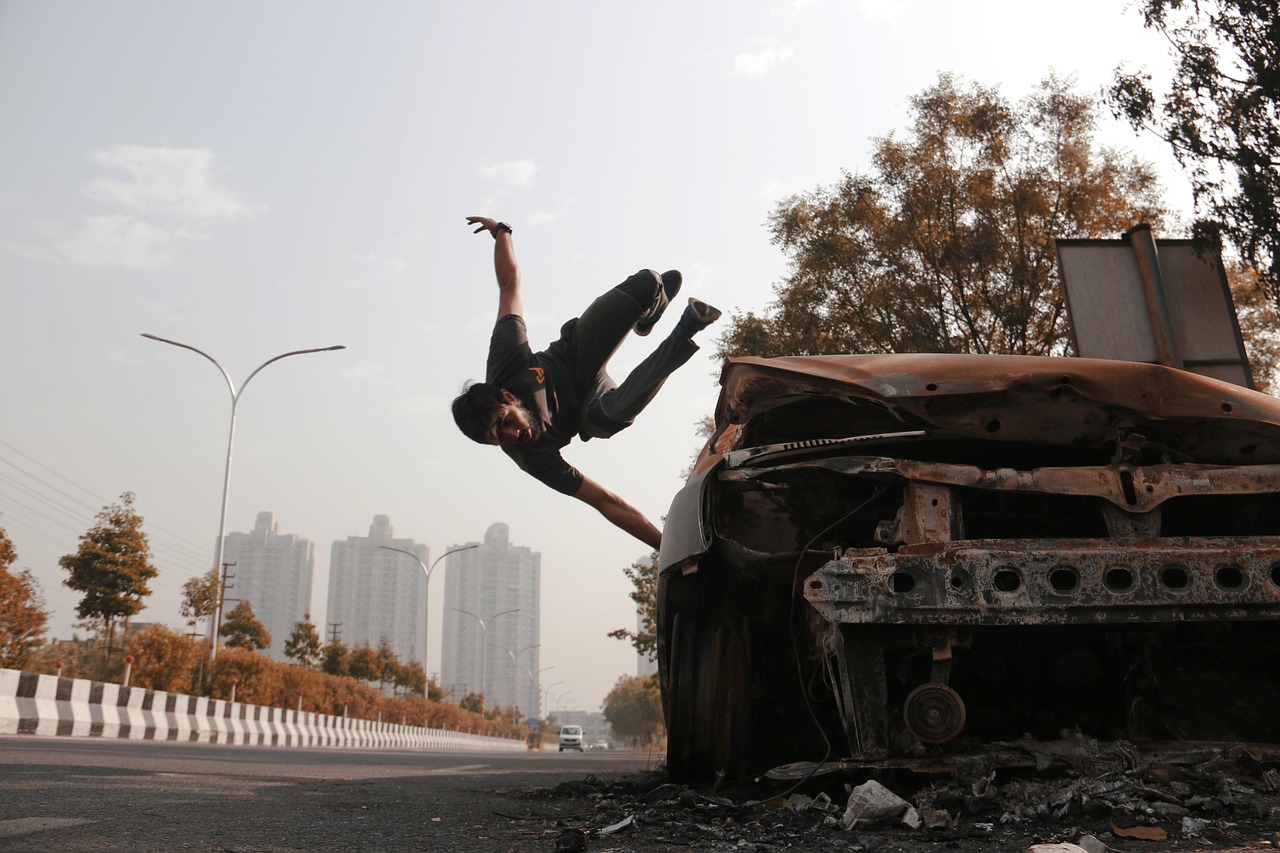
Following the cat climb exploration, let’s dive into the reverse vault. The reverse vault transitions smoothly from the cat climb. Start with an understanding of the basic vaulting principles. Proper technique involves a dynamic approach to gain speed and momentum while ensuring safety. Begin by positioning yourself at a comfortable height, with one hand on the obstacle’s edge. As you prepare for the vault, shift weight to your hands while elevating your legs. Aim to tuck your knees to your chest to smoothly clear the obstacle. Gradually introduce variables like speed and height; start slowly, increasing as your confidence builds. Finding the right balance between aggression and control is paramount. Practice landing with your feet below you to maintain balance and reduce injury risk. Overcome slight fears with gradual progression. Consider training in pairs to foster support and feedback. Regular drills help in instinctively mastering movements. Record your practice sessions to identify areas for improvement. In time, the reverse vault will feel as natural as walking. Engage with the parkour community to share insights and experiences; collaboration promotes learning and encourages confidence in your abilities.
As you master both the cat climb and reverse vault, integrating these skills into fluid sequences is key. Progressions should flow seamlessly into combinations for practical application. Start crafting sequences that link movements, such as transitioning from a cat climb to a precision landing, then into the reverse vault. This practice enhances your muscle memory, making difficult sequences feel more intuitive. Working on transitions enhances creativity; challenging yourself further promotes personal growth. Build sequences gradually; balance complexity and familiarity. Incorporate other parkour techniques to advance your repertoire. Observe how each move works together, refining your overall flow. Engaging in outdoor sessions offers a dynamic setting for practice; adapting to different surfaces hones adaptability. Variability in terrain challenges skills effectively. Use challenges like timed runs to increase motivation and push limits. Playful elements can keep training enjoyable; invite friends for group challenges. Celebrate small victories along the journey towards mastery. Their support fosters a sense of community, fundamental in parkour culture. Escape from the monotony of traditional workouts; parkour turns fitness into a creative and enjoyable process. Let each training session imbue a passion for movement and exploration of the world around you.
Safety First in Training
Prioritizing safety ensures longevity in your parkour practice. Understanding your limits allows you to train effectively without risking injury. Consider environmental factors when selecting training spots. Inspect surfaces for stability before execution, ensuring they are appropriate for impacting landings. Gradually progress through skill levels; mastering basic movements sets a solid foundation for advanced techniques. Always employ a proper warm-up routine to prepare muscles and joints. Dynamic stretching activates the body, increasing blood flow and reducing injury likelihood. As you gain experience, evaluate personal thresholds; signs of fatigue or discomfort should prompt caution. Utilize safety gear, such as knee pads or gloves, where necessary, especially when building confidence. Encourage open dialogue within your training group about concerns or fears; transparency builds support. Setting goals for improvement both physically and mentally fosters motivation among peers. Failures are part of learning; embrace them as opportunities instead of setbacks. Consistency in practice strengthens not only physical skills but mental resilience as well. Surround yourself with experienced practitioners for guidance, mentorship, and encouragement. By making safety a priority, you will foster a long and rewarding journey in parkour.
Building strength and agility is crucial to supporting your parkour journey. Focus on core strength, which serves as the foundation for every parkour movement. Exercises like planks, sit-ups, and leg raises help enhance stability and control. Complement this training with explosive leg workouts to build jumping power and speed. Squats and box jumps will effectively target these areas. Incorporating dynamic stretches into your routine ensures flexibility across all movements; flexibility is vital in executing complex tricks. Dynamic movements, such as lunges and high knees, can increase range and strength while preventing injuries. Balance training further aids stability. Consider using equipment like balance boards to simulate unexpected landings. Regularly engaging in these complementary exercises enhances overall performance and refines technique. Incorporate rest and recovery days into your schedule; avoid overtraining by allowing muscles time to rebuild. Nutrition also plays a significant role; maintain a balanced diet rich in proteins, carbs, and healthy fats to fuel training. Hydration should not be overlooked. Pay heed to how your body responds; adapt your regimen according to individual responses. A well-rounded approach to fitness will yield noticeable results and improve parkour performance.
Finding Your Own Style
As you develop skills in parkour, expressing your unique style becomes essential. Similar moves can be interpreted creatively based on each practitioner’s personality. Observe leading practitioners, noting how they showcase individuality through movement. Balance power and grace during execution, adding personal flair to your sequences. Incorporate elements that resonate with you, replacing mere imitation with innovation. For instance, unique transitions or different approaches to obstacles can set your practice apart. Embrace varied environments; experimenting with different settings challenges adaptability. Filming practice can identify signature moves and areas ripe for improvement. Challenge norms by blending traditional moves with your personal styles; this exploration enriches your skillset. Engage in discussions within the parkour community about creativity, supporting each other’s journeys. Discovering your style may take time, but staying true to yourself enhances the overall journey. Attend workshops or training sessions that focus on creativity to foster exploration and insight. Ultimately, parkour is not merely about overcoming obstacles; it’s about personal expression and the freedom to move. Allow each experience and training session to contribute to developing a style that resonates with your identity.
Finally, to continue your growth in parkour, share your experiences and knowledge. Teaching others solidifies your understanding while inspiring budding practitioners. Offer community classes or workshops within your area, fostering a sense of collaboration and growth. Sharing encounters with the cat climb and reverse vault not only showcases your skill but enriches the community tapestry. Connecting with others expands perspectives and fosters mutual understanding within the parkour culture. Utilize social media platforms to document progress and share your journey. This visibility empowers others as much as it refines your own practice. Engage with followers; offer tips, answer questions, and create a supportive online space. Challenges often arise, but demonstrating resilience encourages others to persevere. In pursuing mastery, recognize that the journey encompasses both successes and setbacks; each experience contributes to developing your skills and understanding of the art of movement. Advocate safety and responsibility, encouraging your students and peers to respect their limits while exploring new ambitions. Through sharing knowledge, community building, and motivative approaches, every practitioner contributes to a rich tapestry of parkour culture.