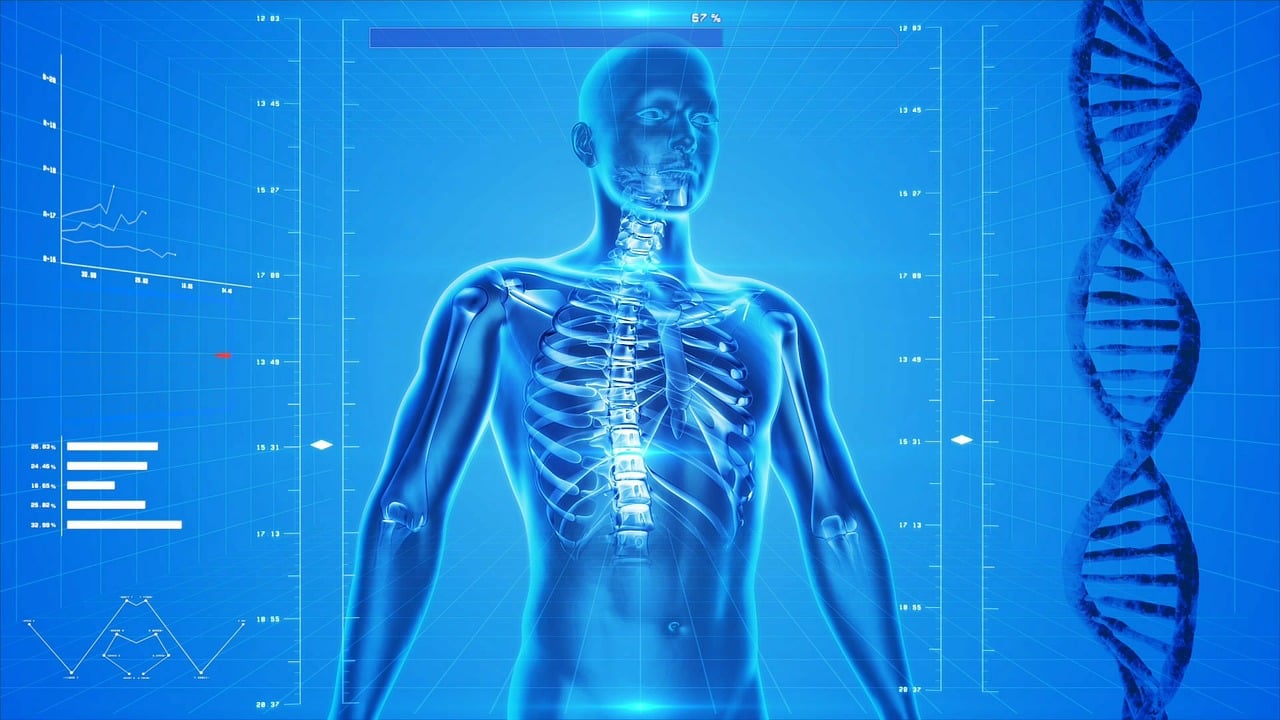

Applying Musculoskeletal Biomechanics in Personalized Training Programs
Understanding the musculoskeletal system’s biomechanics is essential for creating effective personalized training programs. Every individual has unique anatomical and functional characteristics that influence how they move, perform exercises, and respond to training stimuli. By incorporating biomechanical principles, trainers can tailor programs to address specific movement patterns, muscle imbalances, and joint vulnerabilities. This personalized approach maximizes performance potential while minimizing injury risks. Evaluating biomechanics allows fitness professionals to identify weak points in a client’s movement strategies. Various methods can be employed, including video analysis and motion capture technology, to assess how exercises impact biomechanics. It’s crucial to consider factors like joint stiffness, muscle strength, and overall flexibility. Each individual’s training program should also reflect their fitness goals, be it strength building, rehabilitation, or athletic performance enhancement. Moreover, employing biomechanical insights fosters a deeper understanding of how different exercises influence the body. This knowledge enhances communication between trainers and clients about their training dynamics. Developing a program based on biomechanics ensures that clients not only achieve better results but also remain motivated and engaged throughout their fitness journey.
Trainers must incorporate several key principles when applying biomechanics to personalized training regimens. One fundamental principle is the idea of functional movement screening (FMS), which assesses a client’s movement quality. FMS helps in understanding whether clients exhibit dysfunctional movement patterns that could lead to potential injuries during training. A personalized approach can then address these identified dysfunctions, tailoring exercises to enhance stability and mobility based on the assessment results. Additionally, proper biomechanics can improve athletic performance by optimizing force generation, reducing energy expenditures, and facilitating better muscle coordination. For instance, understanding the kinetic chain and how force travels through the body can inform decisions on exercise selection and programming. Trainers can implement multi-joint, compound movements that engage several muscle groups concurrently rather than isolated movements. Another principle centers around the specific demands of particular sports and activities. By understanding the biomechanics related to specific movements, trainers can design training programs that replicate these demands, thereby improving sport-specific skills and neuromuscular adaptations. Utilizing technology such as wearable devices further enhances the ability to collect real-time data on a client’s biomechanics, fostering continuous adjustments and improvements.
Benefits of Tailored Biomechanical Assessments
Implementing tailored biomechanical assessments offers substantial benefits in personalized training programs. Such assessments enable a detailed examination of an individual’s musculoskeletal function, making it easier to pinpoint issues affecting their performance. For example, if a client demonstrates knee valgus during squats, targeted interventions can be integrated to address this risk factor. Over time, these adjustments lead to improved movement quality and reduced injury likelihood. Personalized training is not only about improving performance—it’s also about promoting long-term wellness. By emphasizing biomechanics during training, individuals can learn movements that promote better posture, greater stability, and enhanced mobility early on. Furthermore, trainers can use biomechanical insights to instill safe lifting techniques or functional movements that may translate to everyday activities. Incorporating this knowledge encourages clients to take ownership of their health and fitness journeys, fostering independence in training. This empowerment enhances motivation, making clients more likely to adhere to their programs. Ultimately, individuals who experience marked benefits from tailored assessments are likely to show improved overall satisfaction with their training experiences, leading to better retention and success in the program.
In addition to performance-related benefits, personalized training programs that integrate biomechanics also foster a more conscientious approach to health. Clients become more aware of their bodies, leading to a heightened understanding of how movements affect their physical well-being. This awareness supports informed decision-making regarding exercise choices outside of the gym, as clients start to embody the principles of effective movement throughout their daily lives. Furthermore, injury prevention becomes a cornerstone of training programs that rely on biomechanics. Understanding the unique anatomical features and movement patterns of each individual allows trainers to create safe training environments. They can fine-tune technique instructing clients on optimal body alignment during exercises, which minimizes stress on vulnerable joints. Regular assessments coupled with ongoing biomechanical analysis ensure that clients’ training programs remain effective and relevant as their fitness levels progress. Such adjustments not only improve the physical training experience but also boost clients’ confidence in their abilities to manage their fitness journey. A focus on biomechanics can make clients feel empowered, skilled, and knowledgeable about their strengths and weaknesses, promoting lifelong engagement in physical fitness.
Incorporating Technology for Enhanced Biomechanical Insights
The integration of technology into personalized training programs represents a significant advancement in the application of biomechanics. Utilizing tools such as motion analysis software, wearable devices, and mobile apps allows trainers to gather objective data on biomechanics with precision. These tools provide real-time feedback on technique, helping clients make immediate adjustments during training sessions. Additionally, motion analysis can visualize movement inefficiencies that might not be evident through observation alone. As a result, trainers can design corrective programs that address specific deficiencies, enhancing client benefits. Wearable devices enable continuous monitoring of critical biomechanical measurements such as heart rate, step count, and power output. This information allows trainers to assess how well clients are adapting to their training stimulus. They can identify when adjustments are warranted, thus optimizing performance outcomes. Moreover, the fusion of biomechanics with virtual reality environments enhances engagement and can improve learning experiences. Clients can practice movements in a structured setting that simulates the demands of real-life situations or sports environments. Overall, technology enriches personalized training programs and brings a new dimension to understanding biomechanics.
The commitment to understanding and applying biomechanical principles within training programs can also enhance the rehabilitation process for clients recovering from injuries. By utilizing biomechanics, trainers can identify specific movements that may have contributed to an injury and adjust the training plan accordingly. This ensures that the individual does not re-injure themselves during the recovery phase. Tailored programs can focus on restoring function and strength while maintaining safety as a top priority. The integration of gradual progression strategies can be used, ensuring that clients move from rehabilitation exercises to more challenging activities without overexerting themselves. Additionally, incorporating rest and recovery principles into the equation promotes muscle healing and overall improvement. As clients regain their strength and confidence through carefully structured programs, biomechanics can aid in refining their technique to avoid future injuries. Overall, this understanding not only provides a seamless transition from rehabilitation to regular training programs but also enhances the relationship between trainer and client. As trust builds, clients are more likely to engage fully in their training programs, leading to better outcomes and satisfaction.
The Future of Personalized Training in Biomechanics
As we look toward the future, the application of biomechanics in personalized training programs will undoubtedly evolve. Scientific advancements will likely pave the way for more sophisticated assessment tools and methods enabling trainers to fine-tune every aspect of an individual’s training. Machine learning and artificial intelligence could also facilitate predictive analytics, allowing trainers to anticipate potential injuries and performance plateaus based on gathered biomechanical data. Furthermore, the ongoing integration of telehealth and virtual coaching could make biomechanical assessments more accessible to a broader audience. This means clients may receive high-quality training guidance remotely, ensuring they maintain their form and technique, even from afar. The collaboration between fitness professionals, biomechanists, and healthcare providers will deepen, creating multisectoral methods that promote overall health and performance enhancement for clients. Education on biomechanics will also grow, raising awareness among fitness professionals about its importance in their practice. As trainers become more proficient in biomechanics, the credibility of personalized training will escalate, positioning it as a go-to solution for optimizing health and fitness outcomes. Such developments will inspire even more individuals to pursue active and healthy lifestyles.
In conclusion, applying musculoskeletal biomechanics within personalized training programs is a game-changer in the world of fitness. Tailored assessments, enhanced by technology, ensure programs address the unique needs of every individual. These personalized approaches promote not only performance improvement but also overall wellness and injury prevention. As clients grow more aware of their movement patterns and the implications of biomechanics, they become empowered to make informed health decisions. The seamless integration of technological advancements into training programs will continue to elevate the quality and effectiveness of personal training. As trainers evolve and adapt their knowledge of biomechanics, the relationship with clients will deepen, fostering trust and motivation. This dynamic will drive sustained engagement in fitness journeys, supporting long-term behavior change. Moreover, the interplay between rehabilitation and exercise training will further enhance the concept of health, emphasizing prevention and recovery. The future of personalized training is bright, as biomechanics emerges as an essential cornerstone. Together, fitness professionals, clients, and advanced technology are poised to transform physical fitness, improving the overall health landscape in our communities.