
Building Endurance for Competitive Paddle Sports
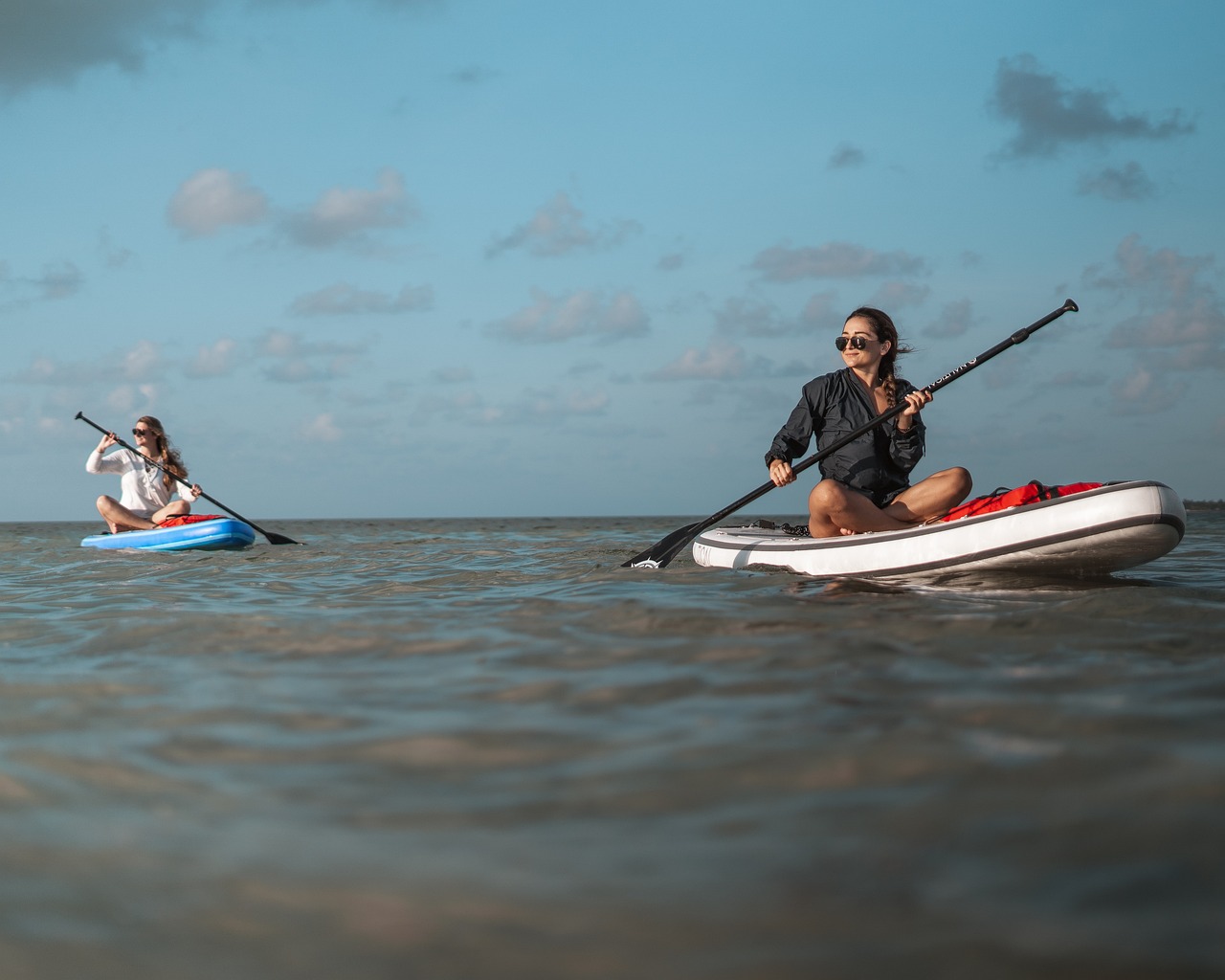
Endurance is a critical factor in competitive paddle sports, influencing performance and overall success during events. Athletes must focus on enhancing their endurance through various training techniques. One effective approach is to incorporate longer training sessions that gradually increase in duration. This method helps the body adapt to prolonged exertion, improving stamina over time. Additionally, interval training is an essential strategy, providing benefits by alternating periods of high-intensity effort with recovery times. This type of training can be tailored to mimic race conditions, thus better preparing athletes for the demands of competition. Furthermore, it’s vital for coaches to monitor progress, using tools such as heart rate monitors to assess improvements in endurance. Proper nutrition and hydration play significant roles in endurance as well. Athletes must fuel their bodies with the right blend of carbohydrates, proteins, and fats to support extended training sessions. Hydration practices should be emphasized pre, during, and post-workout. In summary, building endurance effectively entails a blend of progressive training methods, nutrition, and recovery strategies to maximize performance in paddle sports.
Nutrition Strategies for Endurance
Nutritional strategies are paramount for sustaining energy levels during long paddle sports sessions. A well-balanced diet fuels athletes and enhances their performance. Carbohydrates should form the foundation of an athlete’s diet, providing the immediate energy necessary for intense workouts. Complex carbohydrates, like whole grains and fruits, are particularly advantageous as they release energy slowly, helping sustain endurance. Additionally, protein plays a crucial role in muscle repair and growth post-exercise. Foods rich in protein, such as lean meat, fish, beans, and dairy, should be included in daily meals. Hydration remains equally important during training; dehydration can severely impact endurance and performance levels. Athletes should not wait until they feel thirsty; instead, they should develop a hydration plan that includes water and electrolyte-rich beverages. Timing meals and snacks is critical; consuming carbohydrates before training helps maintain energy, while post-training meals rich in protein aid in recovery. Meal prepping can streamline this process, ensuring athletes have nutritious options readily available. Ultimately, a comprehensive approach to nutrition is key for paddle sports athletes striving to improve their endurance.
In addition to physical training and nutrition, mental conditioning is crucial for enhancing endurance in competitive paddle sports. Athletes should develop strong mental resilience to push through fatigue during challenging races. Visualization techniques are beneficial, allowing athletes to mentally rehearse their performance and envision success. This practice not only builds confidence but also prepares them to handle potential obstacles. Incorporating mindfulness and relaxation techniques can help manage anxiety, which might affect performance. Focusing on breathing control and staying present during competitions can prevent distractions and enhance focus. Setting realistic and incremental goals is another strategy to keep motivation high, allowing athletes to track their progress and celebrate small achievements along the way. Coaches can facilitate this by fostering a supportive environment that encourages open communication and team cohesiveness. Regular mental training sessions, including simulations of race scenarios, can help athletes adapt psychologically to the demands of competition. Overall, mental conditioning combined with appropriate training and nutrition forms a holistic approach to building endurance that supports paddle sports competitiveness.
Building a Strong Support System
Having a strong support system is essential for athletes looking to improve their endurance in competitive paddle sports. Coaches, family, and teammates all play essential roles in developing endurance and confidence. Coaches not only instruct athletes but also can tailor training regimens that focus on endurance-building. They provide constructive feedback and motivation, encouraging athletes to push their limits. Families contribute by offering emotional support and encouragement during tough training phases and competitions. This nurturing atmosphere can significantly enhance an athlete’s mental well-being, impacting their overall performance positively. Teammates form an integral part of a support network too. Training together fosters camaraderie, allowing athletes to challenge each other while sharing experiences and techniques. This collaborative environment can lead to enhanced performance outcomes as athletes adopt new strategies from each other. Moreover, participating in group training sessions can promote accountability, further motivating athletes to adhere to their training plans. Finally, it’s essential for athletes to engage in community and networking opportunities, participating in events that promote the paddle sports culture. Together, these support elements create a robust foundation for optimizing endurance performance.
Rest and recovery are often overlooked aspects of building endurance in paddle sports. Incorporating adequate rest days into a training schedule allows muscles to recover and adapt to increased demands. Overtraining can lead to burnout and injuries, which can set back progress significantly. Implementing active recovery strategies is an effective way to promote healing while still participating in light physical activities. This can include low-intensity paddling sessions, yoga, or stretching exercises that enhance flexibility. Sleep also plays a crucial role in recovery; athletes should prioritize sufficient sleep hours to help facilitate muscle repair and rejuvenation. Aiming for 7-9 hours of quality sleep each night is essential for optimal performance. Coaches should educate athletes about the importance of listening to their bodies to detect signs of fatigue or soreness. Adjusting training intensity based on these signals can help prevent overtraining and enhance overall endurance. Overall, a balanced training approach that integrates rest, recovery, and sleep provides a solid foundation for building enduring capabilities in competitive paddle sports.
Practical Endurance Exercises
Incorporating specific endurance exercises into training programs is vital for athletes competing in paddle sports. Some effective exercises include long-distance paddling, which helps boost overall endurance while simulating race conditions. Athletes should aim to steadily increase their distance over time, tracking progress meticulously. Another beneficial exercise is circuit training that combines paddling with other functional movements such as squats or lunges; this type of training enhances muscular endurance and improves overall agility. Additionally, applying resistance through paddle drills can build strength while challenging endurance simultaneously. Interval workouts focusing on sprinting paddles, followed by periods of easy paddling allow athletes to push their limits while recovering effectively. Athletes can also benefit from cross-training, which involves engaging in complementary sports like running or cycling, boosting cardiovascular endurance and preventing workout monotony. Finally, engaging in team-focused drills can enhance competition preparation, mimicking race scenarios that demand quick decision-making and speed. To summarize, a diverse range of endurance exercises tailored to paddling specifics can significantly empower athletes to excel in their competitive endeavors.
Proper gear and equipment significantly contribute to enhancing endurance in paddle sports. Selecting appropriate paddles and boards suited for the athlete’s body type and skill level can make a substantial difference. Lightweight, ergonomic paddles allow athletes to maintain speed without fatigue. Athletes should consider experimenting with different paddle sizes to find the best fit for their stroke style. Additionally, investing in a comfortable and well-fitting personal flotation device (PFD) is essential for safety while not hindering movement during paddling. Wetsuits and breathable apparel designed for water sports can help regulate body temperature, providing comfort during training sessions and competitions. Essentials like sunglasses and hats can help protect against sun exposure, ensuring focus and preservation of endurance levels. Regular equipment maintenance is important to ensure optimal performance. Athletes should regularly inspect their gear for any signs of wear or damage that could impact performance during crucial moments. Overall, proper gear tailored to individual needs alongside regular maintenance contributes positively to enduring performance levels in competitive paddle sports.
The Role of Goal Setting
Goal setting acts as a framework for athletes aiming to enhance their endurance in paddle sports. By establishing clear and achievable goals, athletes create actionable steps to improve their performance. These goals can vary from short-term to long-term, focusing on various aspects of training such as increasing distance or improving overall intensity. Progress tracking is essential; athletes should regularly evaluate their achievements against these goals. Using performance metrics such as lap times can highlight improvements and areas for further development. Coaches can facilitate this process by developing structured training plans aligned with the athlete’s goals. Encouragement to pursue specific metrics enhances accountability and motivation. Additionally, incorporating milestone goals aids athletes in visualizing their overall progress, breaking down long-term aspirations into manageable segments. This method fosters a persistent drive to achieve, pushing athletes to stay committed to their training routines. Publicly sharing goals with teammates or coaches can further enhance motivation, creating an environment of support and camaraderie. Ultimately, goal setting serves as a significant motivator, leading to incremental improvements in endurance performance in competitive paddle sports.