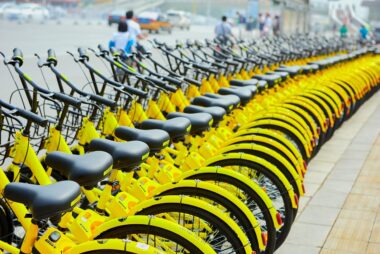

Introduction to Bike Sharing and Health
The concept of bike sharing has gained immense popularity in urban areas, significantly enhancing public health by encouraging physical activity. Access to bike rentals offers residents and visitors alike a convenient mode of transport that fosters daily exercise. By choosing a bicycle over a motorized vehicle, individuals can engage in low-impact aerobic activities that contribute to cardiovascular fitness. Furthermore, easy access to shared bikes promotes a culture of active commuting, which can help mitigate sedentary lifestyles frequently linked to numerous health issues, including obesity and heart disease. Evidence suggests that increased cycling leads to both physical and mental health benefits, such as reduced anxiety and improved mood. The structured nature of bike sharing programs supports users in integrating exercise into their routine without the burden of owning a bike. This system can also promote social interactions among users while sharing bicycles. Thus, urban environments equipped with bike-sharing programs reflect a growing understanding of the link between mobility solutions and health improvement, making cities more livable and healthier for all citizens. The subsequent sections will explore the broader benefits and the role of policy in promoting bike-sharing initiatives.
Environmental Impact of Bike Sharing
Bike sharing not only encourages personal health benefits but also contributes substantially to greater environmental sustainability. By utilizing bicycles instead of cars, urban dwellers reduce their carbon footprint significantly. Fewer vehicles on the road lead to less air pollution and decreased greenhouse gas emissions, which are critical issues in many cities. Moreover, bike-sharing systems often complement public transportation, creating a more integrated and efficient urban mobility infrastructure. The shift from motor vehicles to bicycles can also reduce traffic congestion, offering a smoother experience for commuters. As cities grapple with the widespread effects of climate change, including extreme weather patterns, finding sustainable transportation methods becomes crucial. Bike-sharing systems reflect this urgency by presenting an alternative urban transport solution that is not only eco-friendly but economically sustainable. Incorporating bike lanes and dedicated paths while promoting these services creates a necessary shift in urban design. This proactive approach contributes to enhancing the overall quality of urban life. As communities embrace bike sharing, they foster a culture that prioritizes health, sustainability, and environmental consciousness among their residents.
Economic Benefits of Bike Sharing
In addition to health and environmental advantages, bike sharing can result in considerable economic benefits for urban areas. These programs can stimulate local economies by promoting local businesses that thrive on increased foot traffic from cyclists. For example, cafes, shops, or service providers located near bike-share stations may experience an uptick in customers drawn in by the convenient access bicycles afford. Moreover, cities can save on transportation infrastructure costs that would otherwise be allocated to expanding road systems. Instead, redirection of funds to bike-sharing initiatives can yield better results in mobility and health. The economic ripple effect extends to job creation within bike-sharing programs, from maintenance to operations and customer service. As communities prioritize sustainable modalities, public investment in bike-sharing schemes represents a financially sound alternative to more traditional transportation models. This shift not only reduces reliance on fossil fuels but may also result in lower public health expenditures associated with the benefits of increased cycling. As cities recognize these financial incentives, bike sharing programs stand to flourish and help cultivate a culture of economic vitality and mobility.
The integration of technology with bike-sharing programs has transformed how urban dwellers access bicycles. Many cities adopt apps, allowing users to locate available bikes quickly and reserve them in advance. This convenience measures enhances user experience and encourages higher participation rates, resulting in better health outcomes. Furthermore, advanced analytics enable cities to monitor bike usage patterns, optimizing fleet management accordingly and enhancing the overall system efficiency. Easy access through mobile applications not only aids in user retention but also fosters a sense of community among cyclists, as riders can share tips and locations in real-time. This tech-savvy approach can attract younger demographics, who are often inclined towards convenience and technology. The combination of mobility solutions with digital innovation effectively creates an urban environment where cycling becomes a practical and appealing transportation option. Additionally, leveraging technology can identify further areas for improving cycling infrastructure within the city. Such initiatives allow local governments to make informed decisions based on usage data on popular routes and under-utilized stations, effectively promoting biking as a reliable means of daily transport.
Community Engagement and Awareness
Community engagement plays an essential role in the success of bike-sharing programs. For these initiatives to thrive, residents must understand and feel invested in their local systems. Therefore, cities must actively promote the health benefits and convenience associated with biking. Efforts such as community events or educational campaigns can raise awareness about bike-sharing services and their positive impacts. Encouraging community cycling events creates opportunities for individuals to experience cycling firsthand, fostering a culture of biking for leisure and transportation. Incentivizing people with reduced pricing or membership discounts can further stimulate interest in these programs. Schools and local organizations can collaborate with municipalities to organize cycling classes aimed at encouraging safety awareness while building confidence in new riders. By involving residents in the process, cities can tailor bike-sharing programs to better meet the preferences of the community. Such grassroots movements foster social inclusion and ensure long-term commitment to cycling initiatives are supported by the entire community. As people witness the advantages, biking becomes an accessible option for everyone, without socioeconomic barriers.
Ultimately, the impact of bike sharing on health extends far beyond individual users. The establishment of a robust bike-sharing network reinforces a sense of community well-being and collective responsibility towards health and fitness. Cities that integrate bike-sharing systems tend to become more active environments, where individuals take ownership of their well-being and celebrate local identities. This sense of shared purpose can foster collective action in promoting healthier lifestyles throughout the urban population. Additionally, through regular interaction, residents can build friendships and social networks that encourage physical activities in community settings. By establishing bike-sharing systems as integral to local culture and lifestyle, urban regions cultivate an atmosphere where health is prioritized. The collective benefits reflect not only in physical health improvements but also in the fostering of social connections and community spirit. When cycling becomes a normalized form of transport, cities gradually witness a cultural shift towards a more active lifestyle, resulting in overall happier, healthier residents. The synergy of health, economy, and environment forms the foundation of sustainable urban development, underscoring the relevance of biking initiatives.
Conclusion: The Future of Bike Sharing
In conclusion, the significance of bike sharing extends well beyond providing access to bicycles. By promoting health and fitness, environmentally sustainable transport options, and economic benefits, cities that embrace this approach are building healthier communities for the future. These programs encourage active transport among urban residents while contributing to environmental sustainability and a vibrant economy. As urban centers strive for sustainable growth, the ongoing development of bike-sharing systems represents a valuable asset for public health initiatives. Moreover, policy interventions are crucial in supporting infrastructure improvements and local programs that further enhance these benefits. Policymakers must continue collaborating with stakeholders to ensure the ongoing growth of sustainable bike-sharing programs. The future of bike sharing looks promising as cities tackle urban challenges, making cycling an inherent part of urban planning. Cities that facilitate active transportation can expect improved public health outcomes, reduced reliance on motor vehicles, and vibrant urban spaces that encourage community bonding. Through resilience and adaptability, bike-sharing initiatives can help pave the way for a healthier, more connected, and sustainable urban landscape.