
How to Properly Perform a Push-Up in Calisthenics
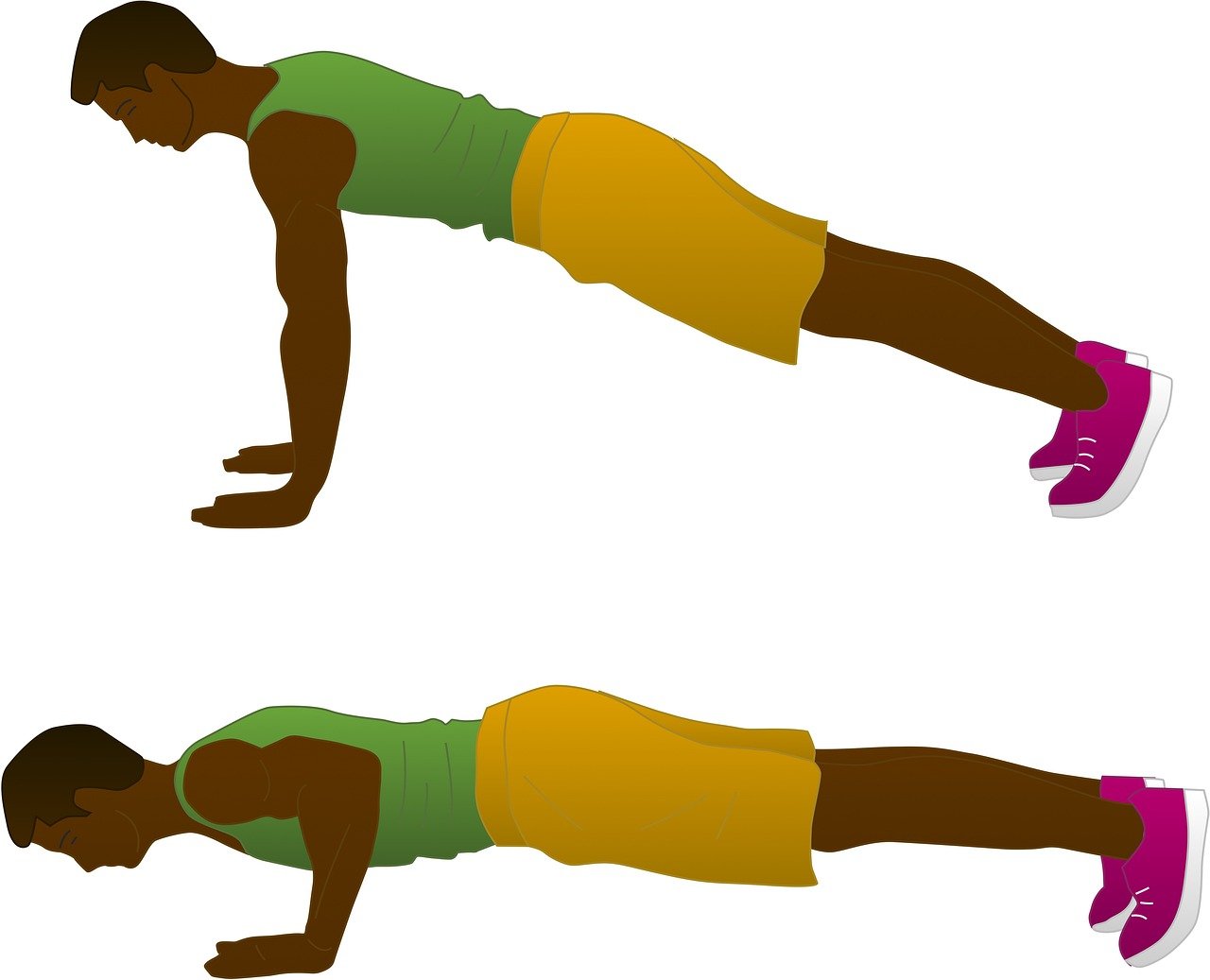
Push-ups are a core exercise in calisthenics that are essential for building upper body strength. They primarily target the chest, shoulders, and triceps, making them fundamental for overall physical fitness. When doing push-ups, maintaining the right form is crucial for effectiveness and preventing injuries. Begin by placing your hands shoulder-width apart, ensuring they are directly beneath your shoulders. Keep your body in a straight line from head to heels, engaging your core throughout the movement. Lower your body until your chest nearly touches the ground, then push back to the starting position. Remember, quality over quantity matters. A few correctly performed push-ups yield better results than numerous poor ones. Furthermore, engage your glutes and legs during the exercise to maintain body alignment. Breathing also plays a pivotal role; inhale while lowering your body and exhale as you push up. Overall, mastering the push-up can significantly improve your calisthenics routine, and provide the foundation for advanced variations. Consistency will help you see remarkable strength gains and endurance levels.
In addition to understanding the basics of push-ups, it’s vital to know the common mistakes often associated with this exercise. Many individuals tend to allow their hips to sag or pike, which disrupts the straight line form necessary for proper execution. This misalignment not only compromises workout efficiency but also places unnecessary strain on the back. To counteract this, think of your body as a plank; it should remain rigid throughout the entire movement. Another common error is flaring elbows. Instead, keep them close to your body to maximize triceps activation and minimize shoulder strain. Additionally, avoid rushing through the repetitions; controlled movements yield better results and maintain safety. If you find it challenging to perform standard push-ups, consider modifying the exercise. You can begin with knee push-ups or incline push-ups using a bench or wall as support. Over time, these modifications can help you build the strength needed to progress towards traditional push-ups. Remember to listen to your body and adjust your training accordingly to avoid fatigue or injury.
Variations to Challenge Yourself
Once you have mastered the standard push-up, numerous variations can keep your workout routine exciting and challenging. Incorporating different types of push-ups can engage various muscle groups and prevent monotony. For instance, you may want to try wide-grip push-ups, which target your chest more intensely, or diamond push-ups that focus on the triceps. Additionally, consider adding a pause at the bottom of your push-up for a few seconds before you push up, increasing time under tension and aiding strength development. Decline push-ups, where your feet are elevated, are another excellent choice for targeting the upper chest and shoulders harder. Alternatively, precarious variations like one-arm push-ups can amplify difficulty and build massive strength. Plyometric push-ups involve explosive movements, such as clapping between iterations, which enhances power, speed, and coordination. However, it’s vital to incorporate these variations gradually to give your body time to adapt. Mixing these variations into your routine can promote continuous growth and challenge your muscles differently, ultimately contributing to your overall performance.
Nutrition and hydration also play pivotal roles in your calisthenics journey. To see the best improvements in strength and performance, ensure you maintain a balanced diet rich in proteins, healthy fats, and complex carbohydrates. Proteins are crucial for muscle repair and play a significant role in recovery after workouts. Foods like chicken, eggs, beans, and lentils should be included in your meals. Healthy fats, sourced from avocados, nuts, and olive oil, provide the necessary energy for workouts, while complex carbohydrates from whole grains and veggies fuel your exercises effectively. Don’t overlook the importance of hydration as well; drinking enough water before and after exercises keeps your muscles performing at their best. Additionally, consider consuming vitamins and minerals from fruits and vegetables that support overall health and recovery. Supplements may also be helpful if you struggle to meet your nutritional needs through food alone. Building a solid nutritional foundation allows your body to recover faster, leading to improved performance in your calisthenic workouts, including push-ups.
Tracking Progress and Setting Goals
Tracking your progress is crucial in any fitness routine, including calisthenics. Recognizing improvements in strength, endurance, or repetition numbers can boost motivation and direct your focus toward future goals. Begin by jotting down your current capabilities, such as how many consecutive push-ups you can do. Subsequently, create a timeline for yourself by setting realistic short-term and long-term goals. Short-term goals could include increasing your max push-ups by two within a month, while long-term ambitions might encompass mastering more advanced variations. Regular assessments every few weeks enable you to evaluate your strategy and make necessary adjustments. For instance, if you find yourself stagnating at a certain number of push-ups, it may be time to reassess your training technique or fatigue management style. Keep your training engaging by implementing progressive overload principles; variate your workouts and added intensity progressively. This approach fosters continuous improvements and staves off plateaus. Documenting this journey fosters commitment and accountability, leading to remarkable strength gains and the achievement of personal fitness milestones.
In conclusion, mastering a proper push-up in calisthenics is vital for progressing in your fitness journey. This exercise is not only about strength but also improving technique, understanding body mechanics, and enhancing endurance. Following the guidelines mentioned and focusing on form can assure both safe workouts and effective results. Mistakes are part of the learning curve, so be patient and persistent, as every individual’s journey is unique. Regular exercise combined with a balanced diet will ensure success in achieving physical milestones. Also, leverage variations to challenge your body, adopt a strategic goal-setting approach, and consistently track your progress. This structured method develops not just push-up ability but overall fitness proficiency. Furthermore, engaging in calisthenics signage among communities or groups can develop social support and camaraderie. Consider joining local workshops or online platforms that focus on calisthenics, offering education and encouragement. In unity, enthusiasts can share techniques, track improvements, and inspire one another. Overall, push-ups will serve as a foundational exercise in your routine, contributing to your long-term fitness endeavors.
Final Thoughts on Your Push-Up Journey
As you engage with push-ups in your calisthenics practice, keep an open mind to the learning experiences they provide. The journey towards mastering push-ups is filled with valuable lessons about discipline, consistency, and personal growth. Building strength is not a race; rather, it is a process that fosters resilience and dedication. When facing challenges during your workouts, remember that every setback is a setup for a stronger comeback. Use resources available to improve your push-up technique, such as online videos, apps, or social media groups committed to calisthenics. Connecting with fellow fitness enthusiasts can elevate your motivation levels and often provide unique tips or tricks. Challenge yourself while also respecting your body’s limits; progress will come at its own pace. Embrace your commitment to calisthenics as a transformative experience. Lastly, celebrate your achievements, no matter how small, as they contribute to your overall well-being. By keeping a positive mindset and fostering healthy habits, you will undoubtedly evolve both physically and mentally through your push-up journey.