
How to Set Up Your Desk to Reduce Stress and Improve Posture
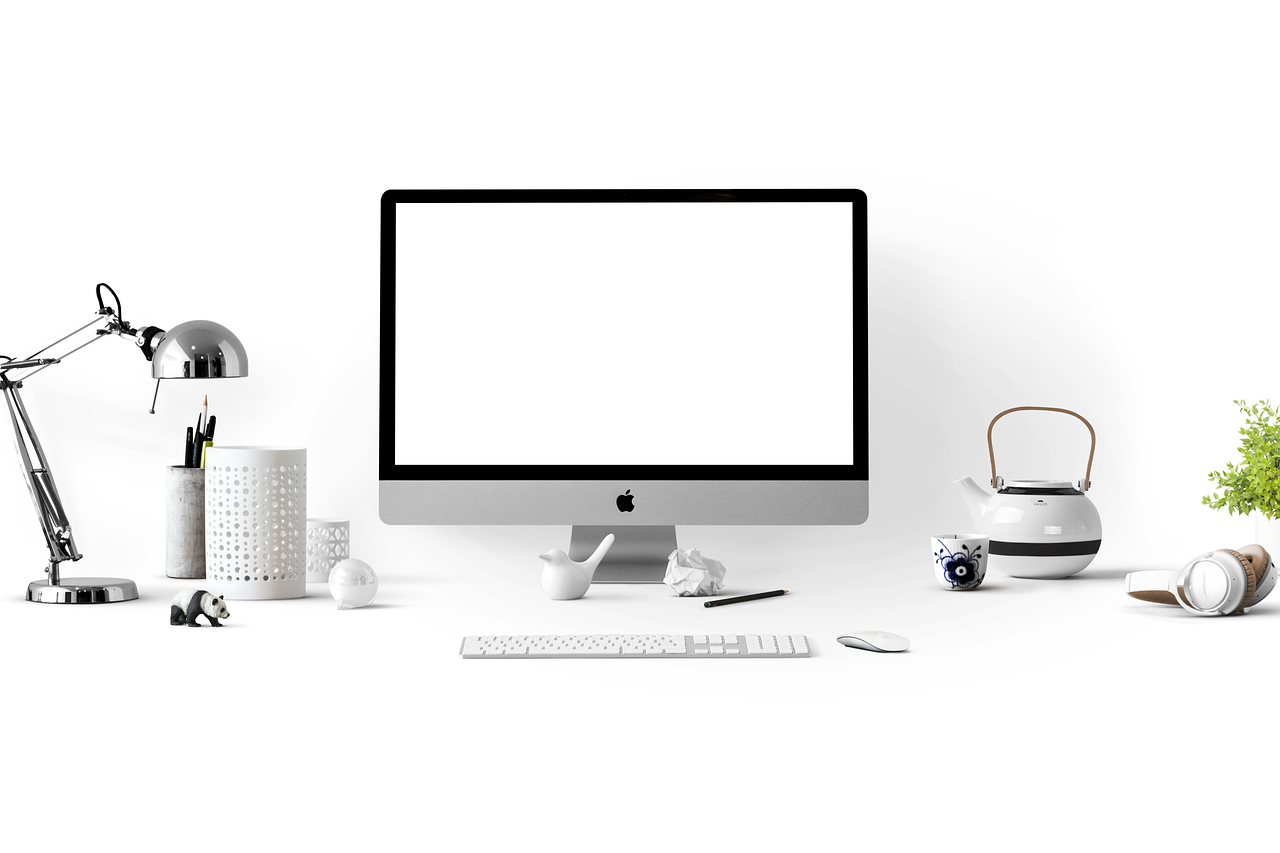
Every day, countless professionals sit at their desks for long hours, often leading to stress and poor posture. To address these issues, a well-organized workstation is critical. Begin by positioning your monitor at eye level. This keeps your neck in a neutral position, reducing strain. Adjust your chair so your feet rest flat on the floor, with knees at an even height with your hips. This alignment alleviates pressure on your back. Utilize a chair that provides adequate lumbar support to help maintain the natural curve of your spine. A chair with adjustable height ensures optimal ergonomics, as many people will have different body types. Place frequently used items within arm’s reach to prevent leaning or twisting. Ensure your keyboard and mouse are positioned to avoid wrist strain, allowing for a relaxed reach. Keep your desk clutter-free, as a disorganized space can contribute to increased stress levels. To complement ergonomic adjustments, consider utilizing a standing desk at intervals to promote circulation and reduce fatigue. By implementing these strategies, you can create a healthier workspace that enhances your productivity.
Next, let’s focus on the importance of proper lighting in workspace ergonomics. Poor lighting contributes to eye strain, fatigue, and even headaches. Use natural light whenever possible, as it enhances mood and energy. Position your desk near a window to gain the benefits of daylight, but avoid glare on your computer screen. If natural light is insufficient, invest in good quality desk lamps that provide bright, diffused lighting for working. Opt for adjustable lamps to focus light where you need it most. Consider using blue light filters for your screens to mitigate the effects of prolonged exposure. This can be particularly beneficial if you work late into the evening or spend significant time on computers. Remember that color temperatures of light can affect focus and productivity; choose warmer tones for reading and cooler tones for tasks requiring concentration. Additionally, taking regular breaks to step away from screens helps reduce eye strain. Adopting the 20-20-20 rule, where you look away every 20 minutes at an object 20 feet away for 20 seconds, is effective for maintaining eye health. Thus, good lighting minimizes workplace stress.
Organizing Your Desk Essentials
Organization extends beyond mere aesthetics; it’s about creating an efficient and enjoyable work environment. A cluttered desk can elevate stress levels and hinder focus. Start by decluttering your space and only keeping items that you genuinely need within reach. Use desk organizers or trays to neatly store office supplies like pens, notepads, and other essential items. This minimizes distraction and maintains a tidy workspace. Additionally, categorizing items based on usage frequency can streamline your workflow. Reserve the top drawer for items you seldom use and exclusive space for essentials like sticky notes or a calendar. Utilizing vertical space for file storage or decorative elements can also enhance your workspace without comprising surface area. Incorporate plants or photos to personalize your workspace while improving your mood. Research shows that greenery can reduce stress and increase atmospheric comfort. Additionally, adjust your workflow processes using apps or digital tools designed to streamline tasks. Implementing these organizational strategies sets the foundation for less stress and improved posture, keeping you comfortable throughout the workday.
Maintaining proper posture is essential, particularly when sitting for extended periods. Make a habit of regularly checking in with your posture throughout the day. Your back should be straight, shoulders relaxed, and elbows close. To promote good posture, consider using reminders, such as applications or sticky notes, to encourage standing up or stretching regularly. This can break the monotony of sitting and can help energize both body and mind. Develop a stretching routine that incorporates neck, shoulder, and back stretches, as these areas often carry tension. Simple stretches, such as shoulder rolls or neck tilts, can yield significant benefits over time. Please take small breaks to walk around every hour. Moving encourages blood flow, which can alleviate stress and fatigue. You may want to set a timer to remind you to stand and walk around. Engaging in brief physical activities like marching in place can combat sedentary fatigue. Even light exercises at your desk can reduce discomfort. Therefore, recognizing the signs of discomfort and addressing them can vastly improve your posture and lead to a more productive day.
The Role of Technology in Ergonomics
Technology has transformed modern workplaces but also introduced new challenges in ergonomics and posture. Devices like laptops, tablets, and smartphones often promote poor postures as they require users to hunch or lean. When working on a laptop, consider using an external keyboard and mouse to position your screen at eye level. This adjustment allows you to maintain a neutral spine. Additionally, employing a laptop stand can help with achieving this height, thereby encouraging better alignment. Explore software solutions that integrate reminders to help you stay mindful of your posture. These programs can discreetly alert you to adjust your posture or suggest quick breaks. Invest in ergonomically designed devices, such as vertical mice and keyboard layouts that suit your natural wrist positioning. Adopting these tools can alleviate discomfort during extensive use. Furthermore, consider using headphones during meetings to free your hands and enhance posture. Technology can facilitate communication and collaboration but must be utilized mindfully. By intentionally adjusting how we engage with technology, we can optimize our posture and reduce workplace stress effectively.
Understanding the psychological aspects of workplace stress is crucial in improving posture and overall wellness. Stress can manifest physically, often leading to muscle tension and discomfort. It’s essential to recognize the connection between your mental and physical health. Stress management techniques can significantly benefit your posture. Practicing mindfulness through meditation or deep breathing can contribute to relaxation, reducing muscle tension and enhancing overall wellbeing. Setting realistic goals and cultivating a supportive work culture establishes a sense of community, which can alleviate stress. Encourage open communication with coworkers, fostering an environment where everyone feels comfortable discussing stress and mental health. Moreover, prioritize work-life balance by establishing boundaries that preserve your personal time. This balance helps recharge your mind and body, ultimately reducing the likelihood of work-related stress. Building resilience through healthy habits, such as exercise and good nutrition, also positively impacts both stress levels and posture. Therefore, maintaining awareness of psychological health helps promote a comfortable workspace that reduces workplace stress while improving posture.
Conclusion
In conclusion, setting up your desk effectively can dramatically influence your workplace experience. Taking the time to create an ergonomic environment is an investment in your health, productivity, and mental wellbeing. Implementing the strategies discussed, such as ensuring proper desk height, investing in quality lighting, and organizing supplies, helps create an inviting workspace that enhances focus. Regularly checking posture, incorporating breaks, and minimizing stress factors are vital components of developing healthy work habits. It’s equally important to recognize how technology and psychological factors contribute to overall wellbeing. By blending ergonomic adjustments with mental wellness strategies, you can create a healthier, more enjoyable work environment. Don’t hesitate to make small changes that will have lasting effects. Whether you begin with decluttering your desk or purchasing an adjustable chair, each change moves you toward a better workplace setup. Remember that every individual is unique; hence, personalize your workspace to meet your needs. By prioritizing ergonomics, you promote a culture of health and wellbeing in the workplace, ultimately resulting in increased productivity and a more vibrant environment.