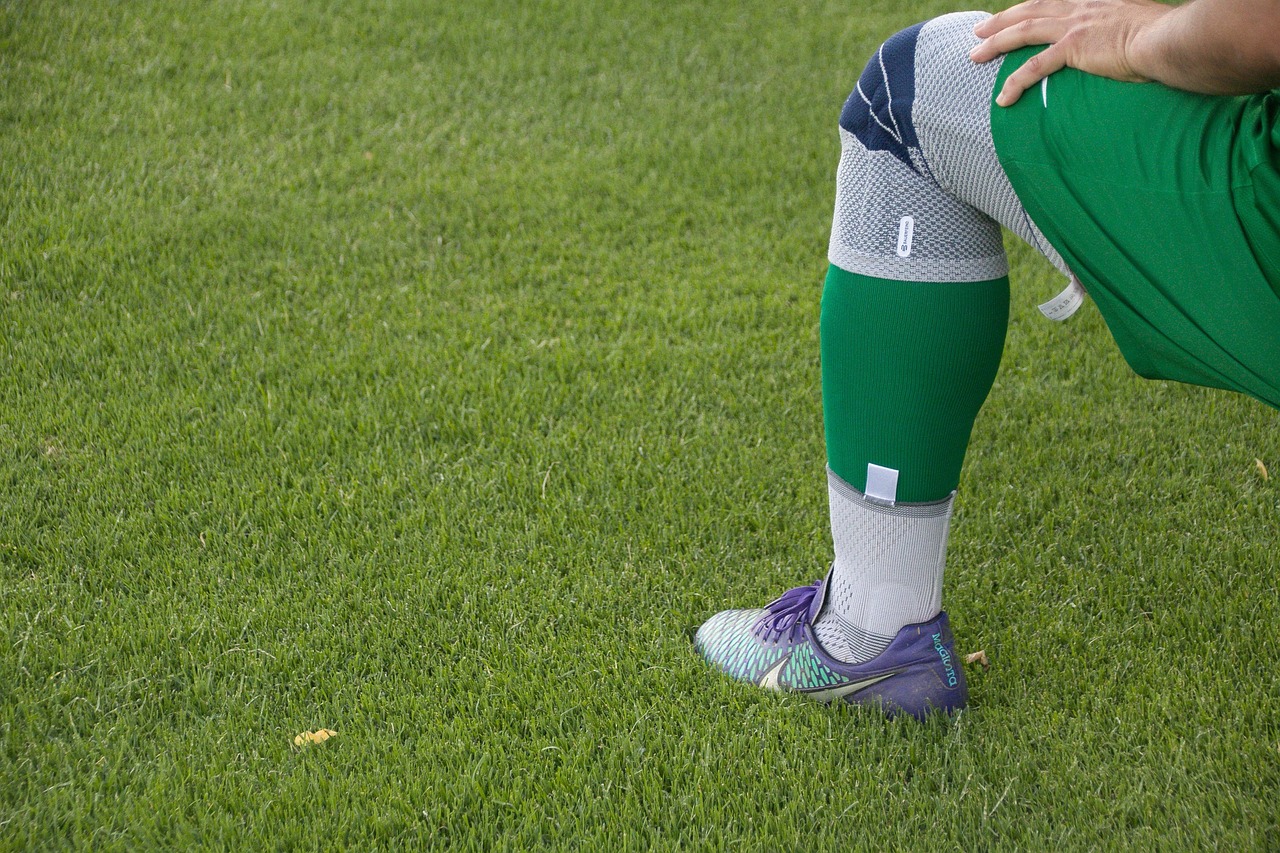

Impact of Loading Rates on Ligament Biomechanics in Contact Sports
Understanding the impact of loading rates on ligament biomechanics is critical in contact sports. Ligaments are tough, flexible bands of connective tissue that connect bones to each other, providing stability to joints. In sports like football, rugby, and basketball, ligaments endure substantial loads during tackles, jumps, and changes in direction. This study highlights key aspects of how external forces affect ligament integrity and overall joint function. Research indicates that elevated loading rates can lead to increased risk of injury due to the rapid application of stress on these tissues. The biomechanical properties of ligaments, such as stiffness and tensile strength, can be altered by varying loading conditions. Furthermore, the adaptations of ligaments depend on both the frequency and magnitude of the applied loads. An essential parameter in this context is the rate of loading, which influences how ligaments behave under stress, including their ability to absorb energy. Understanding these dynamics can contribute to improved training regimens, injury prevention strategies, and rehabilitation protocols in contact sports, ultimately enhancing the safety of athletes and promoting longevity in their careers.
The normal response of ligaments to loading varies significantly at different rates. Faster loading rates tend to produce different responses compared to slower, more gradual loads. When ligaments experience high loading rates, they may exhibit reduced elasticity and a higher likelihood of injury. Conversely, slower loading rates allow ligaments to stretch and absorb forces more effectively, reducing injury risk. Research has consistently shown a correlation between the rate of loading and the mechanical properties of both ligaments and tendons. For example, under rapid load conditions, the viscoelastic properties of these structures change, affecting their capacity to withstand stress and strain. This behavior emphasizes the need for customized training approaches for athletes, especially those engaged in high-contact sports. It is crucial to develop informed practices that take these variations into account. Coaches and trainers must remain updated on these scientific insights to better prepare athletes for the physical demands of their respective sports, ensuring optimal performance while minimizing injuries during gameplay. By focusing on individualized training based on loading rate tolerance, athletic performance can be enhanced without compromising safety.
Biomechanical Properties of Ligaments
Ligaments possess unique biomechanical properties that play a vital role in joint stability and function during athletic activities. These properties include important aspects such as elasticity, stiffness, and tensile strength. Modern research investigates how each of these characteristics influences the overall response of ligaments during rapid loading events. The stiffness of a ligament, for instance, is generally higher at fast loading rates, leading to potential injuries if the ligament is unable to adapt sufficiently to these changes. Moreover, the number of stress cycles that a ligament endures throughout an athlete’s career can also contribute to wear and tear, making it imperative to study loading rates more intensely. There’s a growing link established between an athlete’s training regime and how ligaments respond to various loads. This information is vital for coaches, athletes, and medical professionals in designing better training and rehabilitation strategies. As science progresses, leveraging these insights can aid in the prevention of injuries while enabling optimal performance in athletes. Comprehensive knowledge of biomechanical properties ultimately contributes to advancements in sports medicine, improving athlete safety and career longevity.
Furthermore, understanding the mechanical behavior of ligaments under various loading rates informs injury prevention strategies in contact sports. By analyzing the rate-dependent responses of ligaments, trainers can develop techniques that focus on improving strength and flexibility. Strength training exercises can be beneficial in enhancing the stiffness of ligaments, thereby improving their capacity to withstand forces. Also, plyometric training may enable athletes to better manage abrupt loads encountered during competition. Research supports tailored training programs that emphasize gradual exposure to loading rates, maximizing ligament adaptation and performance. In addition, proprioceptive training enhances an athlete’s awareness of body positioning, contributing to reduced injury incidences. Athletes who incorporate both strength and proprioceptive training into their routines may experience enhanced ligament resilience. Consequently, the amalgamation of these training elements can lead to improved athletic performance, willingness to take calculated risks, and lower injuries. For example, an athlete who practices jumping and landing with proper technique may significantly reduce their likelihood of suffering ligament injuries. Self-awareness in training is just as crucial as physical conditioning in ensuring long-term joint health and overall athletic success.
Injury Mechanisms in Contact Sports
A fundamental aspect of studying ligament biomechanics in contact sports is understanding the mechanisms of injuries sustained during play. Injuries often result from rapidly applied forces that exceed the structural capacity of the ligament. Common ligament injuries encompassed include sprains and tears, particularly in high-interaction sports. When external forces, such as tackles or abrupt stops, exceed the physiological limits of a ligament, failure may occur. The critical loading rates that precipitate injury can vary significantly across individuals, underscoring the importance of customizing training regimens. Fractures or dislocations might result from ligament injuries, further complicating recovery. Oftentimes, training programs neglect to address these high-risk scenarios, aiming instead for general strength improvement. The consequence is that athletes may remain susceptible to injuries during critical game situations. Comprehensive biomechanical analyses could inform injury prevention tactics that take into account specific sports’ demands. Core stability, muscular control, and joint positioning are vital factors to consider for effective injury prevention. Understanding how acute loading conditions can lead to chronic damage helps medical professionals develop better rehabilitation strategies, supporting athletes in regaining functionality and strength following injuries.
In addition to on-the-field training, post-injury rehabilitation plays an equally critical role in restoring ligament function. Effective rehabilitation addresses not only physical recovery but also supports psychological readiness to return to competitive sports. Athletes recovering from ligament injuries often face physical limitations as well as emotions associated with fear of re-injury. Incorporating mental conditioning into post-injury protocols, alongside physical rehabilitation, fosters a holistic recovery approach. Studies have shown that athletes who engage in cognitive behavioral therapies exhibit lower anxiety levels and improved performance outcomes post-injury. Additionally, the integration of progressive strength training is essential to optimize the healing of injured ligaments. Through advanced strategies, such as neuromuscular training and specific recovery exercises, athletes can regain confidence and strength in their joints. Thus, completing a comprehensive rehabilitation program not only enhances an athlete’s physical recovery but also promotes emotional well-being that can influence performance. Making equal investments in both physical recovery and psychological support can facilitate a smoother transition back to competitive play, minimizing potential setbacks and enhancing overall success.
Future Directions in Research
Looking forward, the exploration of ligament biomechanics and their relationship with loading rates remains a promising area for further research. As technology advances, new imaging techniques and biomechanical models are emerging, allowing for better evaluation of ligament structures under stress. The application of finite element analysis in biomechanical research shows potential in predicting injury risk, while also informing surgical strategies when ligament repairs are necessary. Ongoing research should prioritize understanding inter-individual variability in how ligaments respond to different loading scenarios. Continued exploration of genetic factors influencing collagen composition might shed light on different injury susceptibility observed among athletes. Moreover, investigations into the impact of gender on ligament biomechanics could provide important insights, as anatomical differences might influence injury patterns. Collaborative approaches that employ multi-disciplinary techniques to study loading rates will likely enhance current biomechanics knowledge. These interdisciplinary studies may enrich understanding across sports science and lead to innovative approaches in injury prevention and rehabilitation. Apart from advancing science, these findings could also shape the policies and guidelines governing athlete safety in various contact sports.
In conclusion, the significance of understanding the impact of loading rates on ligament biomechanics in contact sports becomes increasingly evident as research progresses. Exploring these dynamics is crucial for developing effective training and injury prevention measures that ultimately protect athletes. The insights gained provide valuable information for coaches, sports medicine professionals, and athletes themselves. As each participant in contact sports strives to perform at their best, comprehending the biomechanics of ligaments can bolster safety and performance. The complexity of ligament responses throughout various loading conditions demands a thorough appraisal to ensure optimal athletic training. While the research continues to evolve, applying these findings can potential reduce the frequencies of injuries attributed to high loading rates. Additional focus on psychological factors also emphasizes the multidimensional nature of athlete well-being. Creating an environment where athletes have access to knowledge and practices concerning ligament biomechanics can foster longer careers. A proactive approach incorporating both biomechanical and psychological insights will equip athletes with the tools they require for a safe and successful sporting journey.