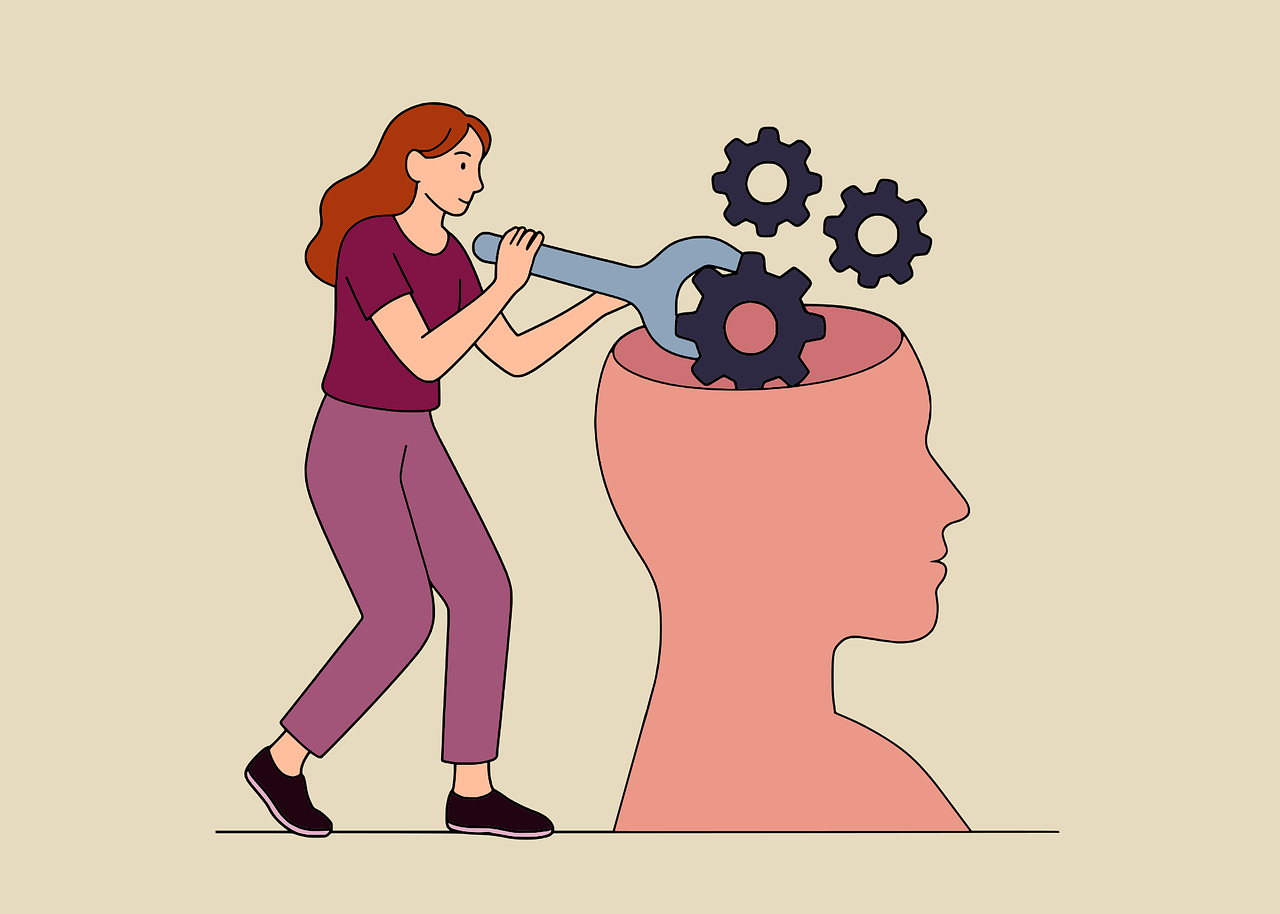

The Role of Mental Imagery in Injury Recovery for Swimmers
In the world of competitive swimming, injury can be an unfortunate setback for athletes. Swimmers often dedicate their lives to training, so facing an injury can be emotionally challenging. Mental imagery has emerged as a crucial technique to facilitate recovery during these times. This psychological strategy involves visualizing movements, situations, or outcomes, allowing athletes to maintain their connection to their performance without physical training. By engaging in mental imagery, swimmers can harness the power of their subconscious to influence their recovery positively. This technique could help speed up the healing process while preserving their mental focus and optimism. Medical professionals increasingly recognize mental imagery as a valuable addition to traditional rehabilitation strategies. This practice encourages swimmers to visualize their perfect technique while swimming, reinforcing the aspects of their performance they wish to improve upon. Furthermore, swimmers can imagine themselves overcoming challenges, thus building mental resilience. Dive into the world of mental imagery, where imagination transforms passion and perseverance into tangible results. Undeniably, this psychological approach offers swimmers an innovative pathway for coming back stronger.
Studies show that employing mental imagery can significantly reduce anxiety levels in athletes recovering from injuries. The common fear of reinjury often leads to a hesitant or cautious mindset. However, using mental imagery helps swimmers redefine their self-perception while healing. By envisioning successful swims, they create a stronger mental framework that translates to actual performance upon returning to the pool. Furthermore, this technique can enhance motivation levels during frustrating recovery periods. Assuming a positive outlook through mental practices promotes emotional well-being during rehabilitation, which can easily become a challenging road. Research suggests that consistent mental practice of imagery allows for measurable improvements in athletic performance when compared to physical performance alone. The brain cannot always differentiate between real and imagined experiences; thus, mental imagery can aid in neural recovery by stimulating similar pathways used in actual swimming. Performing mental imagery exercises also helps minimize muscle atrophy, thereby maintaining some degree of physical readiness. Athletes are encouraged to supplement their physical rehabilitation with these mental practices, allowing them to visualize and engage with their sport actively. Overall, this strategy is valuable for boosting both mental and physical recovery in swimmers.
Techniques for Employing Mental Imagery
To maximize the benefits of mental imagery during injury recovery, swimmers should employ specific techniques. One effective method involves creating detailed mental scripts. These scripts outline actions to visualize during training sessions, including swimming strokes, starts, and turns. Athletes can close their eyes and embrace a tranquil space where they can vividly picture these movements. The more details included in these scripts, the better. Swimmers can focus on sensations, such as the water resistance on their body, the rhythm of their strokes, and even their breathing patterns. Another technique is using guided imagery sessions with a professional. Collaborating with a sports psychologist can help swimmers develop personalized imagery routines tailored to their individual goals. The athlete should engage with imagery both during guided sessions and alone to reinforce their practice. Journal documenting their imagery experiences could also facilitate deeper insights into their mental progress. This diary can include reflections on visualization experiences, emotional states, and learning curves encountered throughout rehabilitation. Incorporating these techniques can transform an athlete’s mental landscape, aiding recovery and preparing for an impressive return to competitive swimming.
It is essential to understand that the effectiveness of mental imagery is enhanced by its repetition and consistency. Just like any physical exercise, athletes must commit to regular mental training. Swimmers can integrate mental imagery into their daily routine, dedicating time each day to visualize elements of their sport. Ensure the practice becomes a habit, similar to physical training. Doing this consistently can solidify neural pathways associated with swimming, reestablishing connections between mind and body. Scheduling short, focused sessions can make it easier to maintain motivation. Such sessions can last anywhere from five to twenty minutes, depending on the individual’s preference. Furthermore, swimmers should strive to maintain a positive mindset during these sessions. Encouraging positive emotions when visualizing scenarios can enhance the effectiveness of the practice. Feeling joy and enthusiasm during imagery can instigate real physiological responses, amplifying athletes’ dedication to their recovery efforts. Sharing imagery experiences with teammates can also forge camaraderie and motivate one another throughout the recovery process. Therefore, understand that achieving recovery is a journey, and swimming success lies not just in visible performance but also in the mental domain.
The Impact of Visualization on Performance
Mental imagery not only benefits injury recovery but also enhances overall performance in competitive swimming. Research indicates that regular mental practice facilitates improved motor skills, coordination, and technique, which often translate to faster race times. Swimmers who engage in mental imagery can identify and rectify flaws in their technique while away from the pool. Envisioning each detail of their swim strokes optimizes physical performance when they return. This psychological component allows athletes to engage in subconscious rehearsal, resulting in smoother techniques when they compete again. Even successful Olympic swimmers have indicated that mental imagery plays a significant role in their overall training regimens. They stress the importance of being mentally prepared before critical races, showcasing how visualizing successful outcomes can push them through barriers. Visualization can create a mental blueprint that guides swimmers in achieving their performance goals, thereby benefiting their technique and effort while racing. Ultimately, mental imagery offers a competitive edge in swimming, strengthening the connection between psychological readiness and physical capabilities. Thus, developing a robust visualization practice can positively impact swimmers, enhancing their athletic prowess as they reclaim their place in the water.
Another vital aspect of mental imagery is its role in enhancing focus during competitions. Swimmers often experience anxiety or performance pressure leading up to a race, creating a need for methods to channel nerves into effective focus. Implementing mental imagery could be a practical solution in this context. Athletes learn to visualize their race strategies and performance, promoting a sense of control. This comprehensive visualization technique allows swimmers to mentally rehearse each phase of their race, fostering clarity and determination, and enabling them to approach the event with confidence. Additionally, the routine of positive self-talk during mental imagery can foster a winning mindset. Swimmers can create a script filled with affirmations that encourage them as they visualize their successful performance, reinforcing positivity in their mental state. Ultimately, employing mental imagery not only aids in injury recovery but also fortifies swimmers’ psychological resilience, preparing them for challenging situations in competition. Mental imagery prepares swimmers to manage their thoughts effectively, paving the way for stronger performances. Therefore, as they return to the water, these athletes discover the profound benefits of their mental training.
The Future of Mental Imagery in Swimming
As the world of sports psychology continues to evolve, the significance of mental imagery in swimming cannot be overstated. Coaches, athletes, and sports psychologists increasingly recognize its value. Efforts to develop training programs integrating mental skills training, particularly mental imagery, will likely grow within swimming communities. This expansion will involve both professional and amateur athletes striving to gain competitive advantages in each stroke. Incorporating mental imagery training into swim clinics, workshops, and coaching certifications can elevate the quality of mental skills training. Moreover, researching the long-term benefits of mental imagery can lead to innovative practices that enhance not only injury recovery but also overall performance. Integrating technology, such as virtual reality and biofeedback systems, can also offer new dimensions of mental training. Athletes could leverage these tools to visualize their movements or compete in simulated environments. As swimming evolves in a highly competitive arena, the integration of mental imagery is bound to play an essential role. Thus, swimmers and coaches should embrace mental imagery as a transformative strategy. Doing so equips athletes with the tools necessary to thrive, inspiring them for success both in and out of the pool.
In conclusion, mental imagery stands as a powerful tool in the recovery process for swimmers. This psychological strategy fosters optimism, refines technique, and enhances performance readiness. Athletes can maintain their focus on goals during challenging recovery periods, utilizing mental techniques as a valuable supplement to traditional rehabilitation methods. By engaging in consistent mental practice, swimmers can maintain their competitive edge while healing. Moreover, integrating mental imagery techniques can accelerate their recovery, thereby allowing athletes to re-enter the sport smarter and stronger than before. As research continues to expand our understanding of the practical applications of mental imagery, it is paramount for swimmers, coaches, and support teams to utilize this strategy effectively. Encouraging regular communication around mental training, sharing experiences within peer groups, can maximize its benefits. By embracing this practice, swimmers embody complete athletes, addressing not just physical, but psychological needs. The connection between mental imagery and swimming is boundless, with its utilization representing an opportunity to unlock untapped potential. Therefore, as swimmers continue to dive into their craft, supporting their mental fitness remains essential to achieving greatness in the sport.