
Triathlon Wearables: Balancing Functionality and Comfort
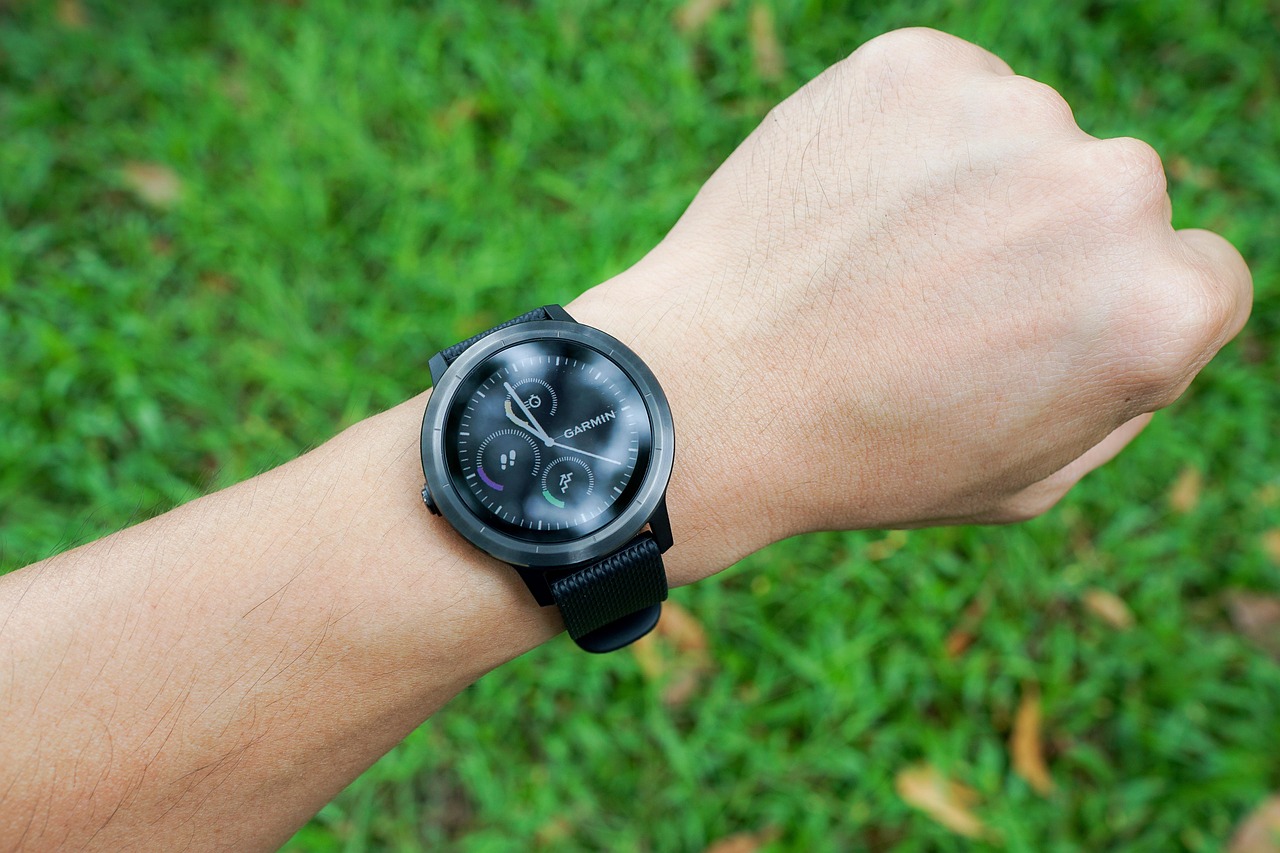
Triathlon wearables are revolutionizing how athletes track performance and manage training. They offer a blend of technology and convenience that enhances the training experience for triathletes. The right wearable assists in monitoring heart rate, tracking distance, and analyzing pace, allowing athletes to optimize their training sessions effectively. Wearables help triathletes make data-driven decisions to improve performance. Furthermore, they can provide feedback on swim efficiency, biking power, and running form. This technology can enhance accountability, motivation, and overall success in training. However, with various options on the market, choosing the best wearable becomes essential. Triathletes must consider factors such as durability, battery life, and accuracy when selecting wearables. For instance, a watch with a long battery life may be crucial for those longer training sessions. Many devices now also incorporate GPS technology, allowing for detailed mapping of training routes. Ultimately, the right wearable can be a triathlete’s best training partner, providing essential insights and encouragement along the way. Thus, athletes should ensure their wearable tech is comfortable, functional, and suited to their specific needs.
Choosing the Right Wearable Tech
Selecting the right wearable tech for triathletes requires understanding personal needs, preferences, and budget considerations. There are multiple brands and models available, each offering unique features tailored to optimize varied aspects of triathlon training. Factors to weigh include functionality, comfort during long durations, and overall durability. Many triathletes prefer devices featuring built-in GPS, which provides accurate tracking during runs and bike rides. Additionally, features such as heart rate monitoring can provide crucial insights about individual performance and recovery. Moreover, compatibility with mobile apps can enhance the user experience by allowing access to comprehensive training data analysis. Accessories like heart rate straps and external sensors can further elevate a training regimen. A good wearable should be lightweight and adjustable, maximizing comfort during multiple workouts without compromising the athlete’s performance. Testing a device during various training segments is advisable before committing to a purchase, ensuring it fits securely and functions optimally under diverse conditions. Limited budgets should not deter athletes, as there are budget-friendly options that still provide essential features for triathlon training. Overall, informed choices lead to better training outcomes for triathletes.
Wearable technology has significantly impacted training strategies and performance analysis for triathletes, providing diverse data points that were once inaccessible. Collecting comprehensive metrics, these devices help athletes refine their skills and understand limitations. By assessing factors such as speed, elevation gain, and cadence, triathletes can measure improvement accurately over time. This data enables tailored training approaches to cultivate strength and endurance where needed. Wearables also allow athletes to set precise goals, whether for pace or distance, further motivating them in achieving their aspirations. Sharing performance data with coaches has never been easier, facilitating a collaborative approach to training. The rise of connected platforms enhances communication while analyzing performance trends. Additionally, data-driven insights empower triathletes to make educated decisions regarding nutrition and recovery protocols. Many wearables incorporate additional capabilities, such as sleep tracking, which is vital for an athlete’s recovery. As athletes increasingly seek to maximize training efficacy, wearable technology continues to play a pivotal role. Ultimately, understanding one’s unique training patterns through these devices can significantly enhance a triathlete’s competitive edge, making data a cornerstone of successful strategies concerning overall performance.
Comfort Versus Functionality
When it comes to triathlon wearables, choosing between comfort and functionality can often be challenging. Athletes must find a balance, as optimal performance hinges on both seamless integration of technology and personal comfort during workouts. A wearable should not distract or hinder an athlete but should rather complement their training efforts. Many devices focus on lightweight materials to improve wearability, addressing the concern of fatigue during prolonged use. Flexibility in design, for example, allows for unhindered movement, especially in swimming and running. Additionally, sweat resistance is a critical aspect, ensuring the device remains functional even during intense training sessions. The screen’s readability in different lighting conditions determines its usability as well, particularly for outdoor training. Meanwhile, many wearables now offer customizable interfaces, allowing users to choose the metrics that matter most to them. Understanding this blend of comfort and functionality helps athletes make informed decisions when purchasing devices. By prioritizing their specific needs and preferences, triathletes can significantly elevate their training experience, enhancing both performance outcomes and personal satisfaction.
Integration with mobile devices stands as another vital facet of wearable tech for triathletes, enhancing their overall training experience. Synchronizing wearables with smartphones seamlessly enables real-time data uploads, providing immediate access to training metrics. Platforms like Strava and TrainingPeaks allow users to analyze their performance and visualize progress over time. This integration also supports the sharing of achievements with friends and fellow athletes, fostering motivation through a community aspect. Many wearables now come equipped with smartphone alerts, providing notifications for calls or messages without disrupting the training flow. This functionality helps athletes maintain a focus on their workouts, rather than worrying about missing important updates. Various apps also offer personalized training plans tailored to specific goals, elevating the user experience to another level. Moreover, cloud data storage ensures that collected insights remain available, offering long-term trends for athlete analysis. Athletes can take advantage of feedback gathered over months or years, promoting continuous growth in skills. By bridging the gap between technology and training, wearables transform the athlete experience. They support the journey toward achieving personal bests, making technology an invaluable ally in triathlon preparation.
Ensuring Durability
Durability in wearables is paramount for triathletes facing the rigors of various training environments. These devices must withstand intense workouts and outdoor conditions, demanding quality materials and design. Athletes oftentimes train in diverse weather conditions, including rain and extreme heat, where durability becomes crucial to performance reliability. Many manufacturers now provide wearables with exceptional water resistance ratings perfect for swimming activities. Durability measures such as Gorilla Glass lenses and reinforced straps can boost longevity, ensuring that devices remain functional over extended use. As triathletes often engage in sports that require significant movement, wearables must remain secure, avoiding distractions during intense training sessions. Additionally, rugged designs without sacrificing comfort feature softer materials that can endure wear while feeling good against the skin. Comprehensive testing under various conditions showcases a manufacturer’s commitment to athlete needs. Athletes should also consider warranty options, as ensuring protection for possible defects or damages can provide peace of mind during training. By prioritizing durability in their decisions, triathletes can invest wisely, maximizing their training potential while minimizing potential setbacks caused by device failures.
Ultimately, triathlon wearables serve as a personal coach, companion, and motivator throughout the athlete’s journey. Embracing this technology streamlines the training process, yielding valuable insights that shape performance improvement. With technology evolving continually, future wearables will likely offer even more innovative solutions tailored specifically for triathletes. Enhanced features, such as advanced biometrics, and even AI integration, promise to revolutionize fatigue management and recovery measurements for athletes. Moreover, a growing emphasis on holistic health monitoring may extend beyond physical performance metrics, including mental wellness aspects critical for optimal progression. As the community of triathletes expands, ongoing development in wearable technology caters to diverse individual needs, ensuring that every athlete can find a solution suited to their unique training style. The convergence of comfort and functionality shall remain the defining strategy for effective wearable tech. By making informed, educated choices, triathletes can fully leverage wearables to enhance their training regimens. In conclusion, the perfect wearable can pave the way for higher achievements, comfort, and empowered performance as athletes pursue their triathlon goals.