
Bodyweight Exercises to Boost Balance and Stability
Bodyweight exercises are increasingly popular for improving balance and stability. These exercises require no equipment and can be performed anywhere. They enhance core strength, coordination, and proprioception, essential for daily activities and athletic performance. Incorporating them into your fitness routine improves both physical and mental health. Bodyweight exercises like squats, lunges, and planks are foundational but can be advanced for further challenges. Mastering these basic movements is crucial before progressing to more complex variations. Furthermore, they promote functional fitness, which benefits everyday life by allowing better movement patterns and reducing the risk of falls and injuries. Bodyweight exercises effectively engage multiple muscle groups simultaneously. They help develop muscular endurance, strength, and flexibility, resulting in enhanced overall fitness. This full-body engagement reduces the risk of overuse injuries that can occur with single-exercise routines. A balanced workout regimen should include exercises targeting various muscle groups. Consistency is key! Aim to perform these exercises several times a week for the best improvements in balance and stability. Remember to pay attention to body alignment to maximize benefits and minimize injury risk during these exercises.
Benefits of Bodyweight Training
One significant advantage of bodyweight exercises is their accessibility for individuals of all fitness levels. Whether you’re a beginner or an experienced athlete, these movements can be adapted to suit your capabilities. For beginners, focusing on form is critical to developing the foundational skills required for more advanced exercises. Progressing gradually enhances confidence and endurance, which are vital to stability improvements. Additionally, bodyweight workouts promote muscle coordination and joint stability, vital for physical activities. As one starts developing strength and balance, they can incorporate dynamic movements to increase complexity and engagement. Regularly practicing various techniques prevents plateauing and helps maintain motivation. Furthermore, these exercises can be performed solo or in a group, creating a supportive environment for motivation. The absence of equipment also means significant cost savings, as you can work out anytime and anywhere. You’re enabled to develop strategic fitness habits without the barriers posed by gym memberships or travel. Incorporating balance-focused exercises, such as single-leg stands and stability ball workouts, will significantly contribute to your overall development. Ensure that your bodyweight regime includes stretches for maintaining flexibility and preventing tightness to support your training and flexibility.
Incorporating unilateral exercises into your routine is an excellent way of improving balance. An example is the single-leg deadlift, which engages the core, hamstrings, and glutes while challenging stability. Start with bodyweight alone, ensuring to master your alignment before adding further complexity. As you progress, consider adding weights to amplify the resistance and enhance your balance reinforcement. Another effective exercise is the lunge, focusing on lengthening the back leg to maintain stability during the movement. Lunges train not just balance, but also strength in the lower body, particularly in the quads and glutes. Additionally, try performing lunges while twisting your torso, which engages the core and promotes coordination. Furthermore, it’s important to engage your mind while exercising. Mindfulness during workouts maximizes benefits and helps connect the mind and body, leading to improved proprioception. Another promising exercise is the bird dog, which engages the core and challenges balance simultaneously. By extending opposite limbs, you work on stability while reinforcing core strength. You can also enhance the difficulty level by performing it on an unstable surface, like a balance pad, to further challenge your motor skills and stability.
Creating a Balanced Routine
Creating a balanced routine involves selecting exercises that challenge your balance, stability, strength, and flexibility. Aim to include a variety of exercises in your weekly schedule, ensuring you work on different muscle groups. Besides your central bodyweight exercises, consider integrating movements like the side plank, which focuses on stabilizing your core while working on lateral strength. Maintain various holding durations to challenge endurance levels as you progress. To further enhance muscle engagement, consider compound movements that utilize multiple joints, such as push-up rotations, which promote upper body strength alongside balance efforts. A well-structured routine should also include flexibility components, like dynamic stretching before workouts and static stretching afterward. Implementing these elements can improve range of motion, contributing ultimately to better balance and stability outcomes. As a result, it helps increase overall performance in bodyweight exercises. Additionally, it is essential to ease into your training. Allow recovery time and listen to your body. Gradually increase duration and intensity as you progress. This modification will aid in minimizing injuries, allowing you to reap the full rewards of your balance and stability training efforts.
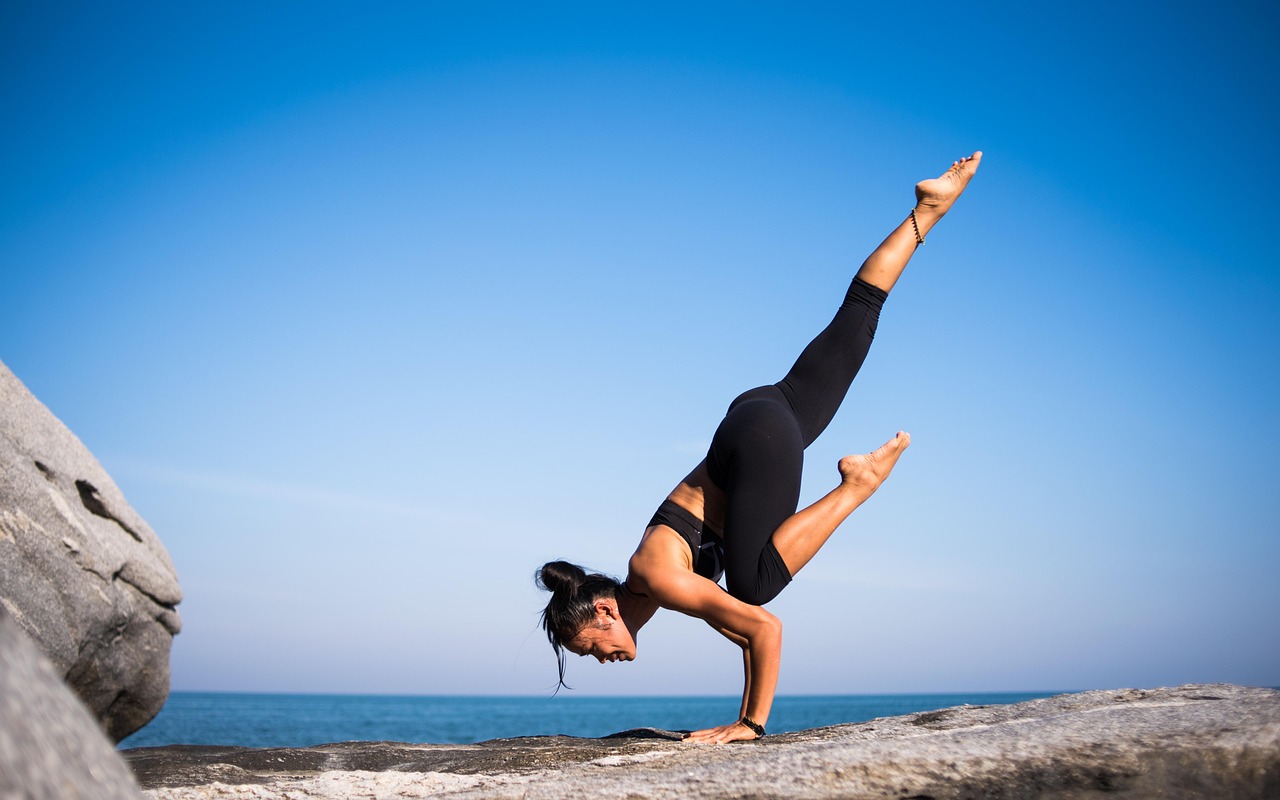
Combining balance and movement exercises can promote heightened awareness of bodily alignment. Examples include balance walks, where you consciously place one foot in front of the other. Try maintaining a straight posture and fixating on a point to enhance your balance during this exercise. Equally, the heel-to-toe walk engages your stabilizing muscles effectively and can be performed anywhere. It effectively develops proprioception while enhancing coordination skills. Another beneficial practice is yoga, teaches body awareness and proper breathing techniques. Various poses can further enhance your balancing capabilities, such as tree pose and warrior III. If yoga is too challenging, seeking a beginner’s class can help you build the necessary skills over time. Doing yoga consistently can lead to increased flexibility, strength, and improved focus. Adding balance boards or stability balls to your workouts can also intensify your training. Using unstable surfaces during traditional exercises—like squats and planks—promotes core engagement and improves stability. Remember to incorporate rest days into your weekly schedule to allow muscles to recover and adapt, supporting longevity in training while reducing injury risk. This recovery is paramount to your dedication to balance and stability-focused workouts.
Conclusion and Tips for Success
In conclusion, bodyweight exercises are powerful tools for enhancing balance and stability through accessible, equipment-free movements. They establish the foundations of fitness for everyone, empowering individuals to develop strong, stable bodies essential for everyday activities. As you create your routine, emphasize variety and progression, incorporating unilateral movements, dynamic balance challenges, and flexibility training. Keep challenges elevated, engaging many muscle groups simultaneously to avoid plateauing. Also, pay attention to your body alignment to minimize injury risks! Practicing mindfulness and concentrating on the muscles you’re working will help you achieve better results. Incorporate rest and recovery into your workout plan, allowing your body to adapt to the progressive intensity while avoiding over-training syndromes. As you build on these techniques, you will witness immense improvement not only in balance and stability but inevitably in your overall fitness and athletic performance. Encourage friends and family to join your balance challenge for more fun, motivation, and accountability. Set achievable goals, and celebrate your milestones to maintain enthusiasm and a sense of accomplishment throughout your fitness journey. Ensure consistency in your efforts to maximize outcomes. Your commitment to improving balance and stability will enhance your quality of life in the long run.
Finally, remember that improving balance is a lifelong journey. Regular practice of bodyweight exercises will yield long-term benefits not only for athletic performance but also for daily life. You will find that the skills learned through focused balance training apply to various activities, from sports to even walking, standing, and playing with your children. Join local classes or communities that focus on bodyweight training and stability to share your experiences and learn from others. Online platforms and tutorials can also be beneficial to guide your progress. Document and track your performance to reflect on your improvements, creating motivation and accountability. When committing to balance training, focus on having fun and discovering what challenges excite you. Customize your balance workout regime to align with your interests and fitness levels, keeping it enjoyable. Adapting programs that suit your progress will enable you to reach new milestones. Lastly, view fitness as a holistic journey. Balance and stability are necessary components for overall well-being, so remain patient and persistent in your training. You’ll notice positive changes in your body and mind, enhancing quality of life and self-confidence through improved balance.